Reported by Weng Patrick Atokor l Journalist at Weng Global
The Independent National Electoral Commission (INEC) has assured voters and other Nigerians that it is taking practical steps to ensure that the 2027 general elections are free, fair, inclusive and credible.
The assurance was given in Akure, Ondo State, on Friday, October 2, 2026, during the 2026 edition of a political programme titled “The Convocation”, which focused on electioneering and the future of Nigeria’s democracy.
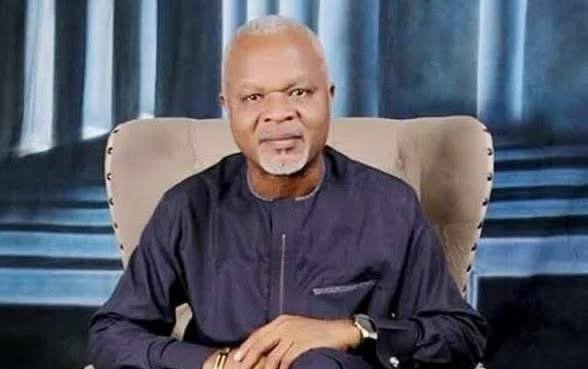
The Resident Electoral Commissioner (REC) in Ondo State, Dr Mutiu Agboke, gave the assurance through the Head of Voter Education, Publicity, Gender and Inclusivity, Olayinka Ogunseye, who represented him at the event.
According to the commission, preparations for the 2027 elections are already underway, including testing of the Bimodal Voter Accreditation System (BVAS) devices expected to be deployed during the elections.
INEC Begins BVAS Preparations
Ogunseye said INEC had commenced testing its BVAS devices as part of preparations for the 2027 polls.
The commission is also expected to conduct a test run similar to a mock election in November as it continues preparations for the elections.
INEC said the measures are intended to help the commission assess its systems and improve operational readiness before voters go to the polls.
The commission’s assurance comes as political parties, candidates, civil society organisations, voters and other stakeholders intensify preparations for the next general elections.
The 2027 presidential and National Assembly elections are scheduled for February 20, 2027, according to INEC’s official timetable. Governorship and State House of Assembly elections are scheduled for March 6, 2027.
Voter Education to Be Intensified
Beyond the technological preparations, INEC said it would strengthen voter education and sensitisation ahead of the elections.
The objective is to ensure that citizens understand the electoral process and are better informed about their responsibilities and rights as voters.
Voter education is particularly important as the electoral process involves several stages, including voter registration and verification, accreditation, voting, counting and the collation of results.
INEC’s official platforms currently provide services for checking voter information, locating polling units and accessing election-related updates.
The commission has also continued to emphasise the importance of participation by voters and other stakeholders in strengthening the electoral process.
Political Participation and Democratic Engagement
The INEC assurance was made against the backdrop of wider discussions about citizen participation and the future of democracy in Nigeria.
Speaking at the programme, the Ondo State Chairman of the Young Progressives Party (YPP), Dotun Ojon, urged Nigerians to participate actively in elections.
Ojon said elections affect how the country is governed and called for greater participation in the electoral process.
He also said his party was preparing for the 2027 elections with an emphasis on legislative contests, including seats in the National Assembly and state Houses of Assembly.
Ojon further called for smaller political parties to have greater opportunities to win legislative seats, arguing that opposition representation was important for accountability.
His comments represented the position of a political party and were separate from INEC’s administrative responsibility for conducting the elections.
Concerns Over the Electoral Process
Other participants at the Akure event highlighted some of the challenges facing Nigeria’s electoral system.
A former Ondo State Commissioner for Sports, Dayo Awude, identified the cost of electioneering and weaknesses in internal democracy within political parties among issues that require attention.
He also encouraged citizens to maintain confidence in the democratic process and expressed hope that the 2027 elections would address some of the difficulties associated with previous elections.
The comments reflect broader debates around the cost of political participation, party organisation, voter engagement and the credibility of elections in Nigeria.
INEC’s responsibility, however, remains focused on administering elections in accordance with the Constitution and applicable electoral laws.
INEC’s Wider Preparations for 2027
The commission’s preparations extend beyond Ondo State.
In February 2026, INEC formally released its timetable and schedule of activities for the 2027 general elections. The commission said the presidential and National Assembly elections would hold on February 20, 2027, followed by the governorship and State House of Assembly elections on March 6, 2027.
INEC has also identified the integrity of the voter register as an important component of credible elections.
The commission previously said it intended to undertake a nationwide voter revalidation exercise to strengthen the register ahead of the 2027 elections. INEC said concerns including duplicate registrations, registrations by non-citizens, deceased voters and incomplete or inaccurate records had created challenges that needed to be addressed.
The commission reported that Nigeria’s voter register stood at 93,469,008 voters for the 2023 general elections.
Final Candidate Lists and Election Preparations
Preparations have also progressed at the level of candidate nomination and publication.
In September, INEC published the final list of 122 candidates for Ondo State’s National Assembly elections, comprising 31 candidates for the three senatorial districts and 91 candidates for the House of Representatives seats, according to reports citing the commission.
The publication marked another stage in preparations for the 2027 elections and was carried out in line with the commission’s electoral timetable.
The development means political parties and candidates are increasingly moving from internal preparations into the wider electoral process, while INEC continues its administrative and logistical work.
Why the BVAS Testing Matters
The planned BVAS test run is significant because the system is intended to support voter accreditation during elections.
INEC’s current election information states that accreditation and voting will proceed simultaneously on scheduled election days, with voters required to present their Permanent Voter Cards for verification through BVAS.
Testing the equipment before election day provides the commission with an opportunity to identify technical or operational problems and make necessary adjustments before the devices are deployed across polling units.
However, technology is only one part of the electoral process. The credibility of an election also depends on factors including the accuracy of the voter register, compliance with electoral laws, the conduct of political parties and candidates, security, voter participation and the transparent counting and collation of votes.
Citizens and Stakeholders Have Roles to Play
INEC’s preparations also place responsibility on stakeholders beyond the electoral commission.
Political parties and candidates are expected to comply with electoral laws and campaign regulations, while voters are responsible for participating peacefully and following established voting procedures.
Security agencies also have responsibilities in protecting voters, election officials and electoral materials.
Civil society organisations and the media play roles in voter education, observation, public accountability and providing citizens with accurate information.
INEC Chairman Professor Joash Amupitan previously described the success of the 2027 elections as a collective responsibility involving government institutions, security agencies, the media, civil society organisations and Nigerians generally.
What Happens Next?
The immediate focus in Ondo is expected to include continued BVAS testing, voter education, stakeholder engagement and preparations for the planned November test run.
At the national level, INEC will continue implementing the timetable for the 2027 elections as political parties and candidates progress with their campaigns and other electoral activities.
The presidential and National Assembly elections are scheduled for February 20, 2027, while the governorship and State House of Assembly elections are scheduled for March 6, 2027.
For voters, the next phase will involve staying informed about official electoral procedures, checking voter information and following announcements issued through INEC’s verified channels.
The commission’s latest assurance in Ondo therefore comes at a stage when preparations are moving from planning into increasingly practical testing and voter engagement.
The ultimate credibility of the 2027 elections will depend not only on INEC’s preparations but also on how political parties, candidates, security agencies, voters and other stakeholders conduct themselves throughout the electoral cycle.
Weng Global – Stories beyond borders
Sources
- Independent National Electoral Commission (INEC) — Official 2027 General Election timetable and chairman’s February 13, 2026 announcement.
- Punch Newspapers — Report on INEC’s October 2, 2026 assurance in Ondo State and planned BVAS test run.
- Independent National Electoral Commission — Official voter services and 2027 election information.
- Independent National Electoral Commission — Remarks on voter-register revalidation ahead of the 2027 elections.
- Reports on INEC’s publication of the final list of Ondo National Assembly candidates.