Reported by Simon Daniel Yusuph l Journalist at Weng Global
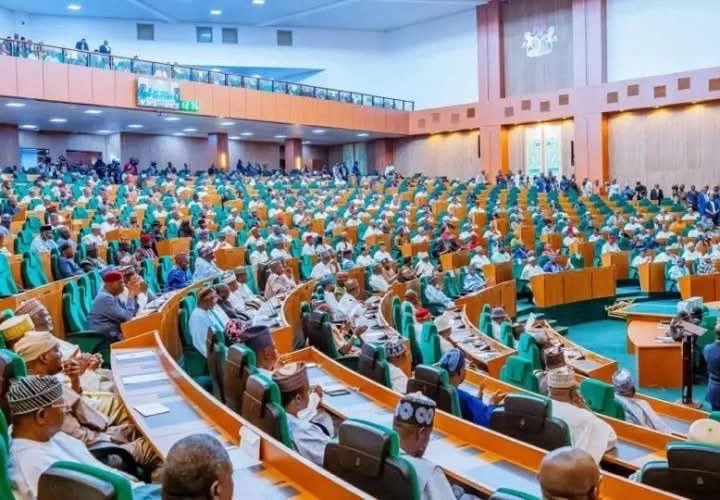
The Nigerian House of Representatives has directed the Chairman of the Independent National Electoral Commission (INEC), Professor Joash Amupitan, to appear before its Committee on Electoral Matters within seven legislative days to brief lawmakers on preparations for the 2027 general elections, with particular attention to preventing voter disenfranchisement in areas affected by insecurity.
The directive, reported on October 28, 2026, followed deliberations in the House over the country’s readiness for the next general elections and the need to ensure that eligible Nigerians can exercise their constitutional right to vote, regardless of where they live.
Lawmakers want the INEC chairman to provide information on the commission’s preparations, including measures to address security challenges that could prevent citizens from participating in the electoral process.
The proposed briefing is expected to provide an opportunity for the electoral commission to explain how it intends to manage voting in communities where insurgency, armed violence, kidnapping and other security threats could disrupt election activities.
The directive also places renewed attention on the responsibilities of electoral authorities and security agencies as Nigeria approaches another nationwide electoral exercise.
Although INEC has publicly outlined several preparations for the 2027 elections, questions about the safety of voters, the accessibility of polling units and the deployment of election materials remain important to ensuring that the elections are inclusive and credible.
House Committee to Examine INEC’s Election Preparedness
The House of Representatives initially considered a proposal for the INEC chairman to brief the entire House on the commission’s preparations.
However, the Deputy Speaker reportedly suggested that the engagement should take place before the House Committee on Electoral Matters, noting that INEC had already provided public updates on its preparations at different forums.
The proposal was subsequently directed towards a committee-level briefing.
The arrangement would allow lawmakers responsible for electoral matters to examine INEC’s preparedness in greater detail and seek clarification on specific operational challenges before the elections.
The committee’s engagement is particularly significant because organising a nationwide election requires coordination across several areas, including voter registration, electoral logistics, technology, personnel deployment, security planning and the distribution of election materials.
A briefing would also provide lawmakers with an opportunity to question the commission about its plans for communities where insecurity could affect access to polling stations or prevent electoral officials from carrying out their duties.
However, the directive itself does not establish that INEC has failed to prepare for the elections. Rather, it creates an opportunity for legislative scrutiny of the commission’s readiness and the measures being developed to address potential obstacles.
The outcome of the engagement could help lawmakers identify areas requiring further attention as the electoral process advances.
Insecurity Raises Concerns About Voter Participation
One of the principal concerns behind the proposed briefing is the risk that insecurity could prevent eligible Nigerians from voting in the 2027 general elections.
Insecurity has affected communities in different parts of the country, creating challenges for residents, businesses, public institutions and government services.
Where violence or threats of attacks force people to leave their homes, electoral participation can become more difficult. Displaced citizens may struggle to reach their registered polling units, while those who remain in affected communities may face concerns about their safety on election day.
Electoral officials can also encounter difficulties accessing locations where armed groups operate or where roads and surrounding communities are considered unsafe.
These challenges can affect the movement of sensitive election materials, the deployment of personnel and the opening of polling units at the scheduled time.
For INEC, the central challenge is to ensure that security concerns do not automatically translate into the exclusion of eligible voters.
The commission must also work with relevant security agencies to assess risks, protect electoral personnel and support an environment in which citizens can participate without intimidation.
The House’s decision to make insecurity a central issue in the proposed briefing reflects the importance of addressing these risks before election day rather than waiting for disruptions to occur.
Nevertheless, the specific security arrangements INEC intends to adopt in individual communities would need to be confirmed through official briefings or statements.
How Insecurity Can Lead to Voter Disenfranchisement
Voter disenfranchisement occurs when eligible citizens are prevented from exercising their right to vote.
Although disenfranchisement can result from several factors, insecurity presents a particular challenge because it can restrict both the movement of voters and the ability of electoral officials to operate.
For example, residents who have fled their communities because of violence may find themselves far from the polling units where they are registered.
Other voters may be unwilling to travel to polling stations if they fear attacks, intimidation or clashes between armed groups.
In some circumstances, threats against electoral workers or the destruction of public infrastructure can also interfere with the conduct of voting.
These problems can affect entire communities, particularly where access roads are unsafe or where residents have been displaced for extended periods.
The consequences extend beyond the immediate election. When large numbers of eligible voters cannot participate, questions may arise about the inclusiveness of the process and whether elected representatives adequately reflect the preferences of the affected population.
However, insecurity does not automatically mean that an election in a particular area will be cancelled or that every resident will be unable to vote.
Such outcomes depend on the circumstances, the security assessment and the measures available to electoral authorities.
The proposed briefing offers lawmakers an opportunity to ask INEC how it intends to assess these risks, protect participation and respond when conditions make normal election operations difficult.
INEC’s Existing Preparations for the 2027 Elections
INEC has already outlined several areas of preparation for the next general elections, including electoral planning, voter registration, logistics, technology and security coordination.
The commission’s chairman, Professor Joash Amupitan, has previously emphasised the importance of strengthening operational readiness and working with security agencies to protect the electoral process.
In a March 2026 address to security stakeholders, Amupitan described election security as essential to ensuring that citizens could participate safely and that electoral activities could proceed peacefully.
The commission has also discussed the need to strengthen the national voters’ register through voter revalidation and continuous voter registration.
These exercises are important because a credible register helps electoral authorities identify eligible voters and organise the distribution of voting materials.
INEC has also highlighted the importance of cooperation with political parties, civil society organisations, the media and security agencies.
However, the existence of these preparations does not remove the need for continued assessment. Nationwide elections involve complex logistical requirements, and operational plans may need to be adjusted as circumstances change.
The House committee’s proposed engagement is therefore expected to focus on the practical implementation of INEC’s plans and the commission’s capacity to address outstanding challenges.
A key question will be whether the existing arrangements are sufficient to protect voting in communities facing serious security threats.
2027 Election Dates and the Electoral Timetable
The 2027 general elections are approaching under an electoral timetable that has undergone changes following adjustments to the legal framework governing election preparations.
According to INEC’s currently published election calendar, the presidential and National Assembly elections are scheduled for Saturday, January 16, 2027, while the governorship and State Houses of Assembly elections are scheduled for Saturday, February 6, 2027.
The timetable means that preparations must account for two major election dates, each requiring extensive planning, personnel, materials and security arrangements.
The presidential and National Assembly elections will involve voters across the country, while governorship and State Assembly elections will take place in the states participating in those contests.
The scale of the exercise makes coordination particularly important. Electoral officials must plan the movement of materials, establish polling arrangements, train personnel and work with security agencies well before voting begins.
Any disruption affecting one part of the process can create additional pressure on other operational areas.
The scheduled dates also make timely planning essential for communities where security assessments may require special arrangements.
The House committee’s engagement with INEC could help lawmakers understand whether the commission’s operational plans remain aligned with the timetable and how it intends to manage risks before the polls.
Why Electoral Security Matters for Nigeria’s Democracy
The ability of citizens to vote safely is central to the credibility of an election.
Elections are not judged only by whether ballots are counted or results are announced. Public confidence also depends on whether eligible voters have a reasonable opportunity to participate without threats, intimidation or unnecessary barriers.
Where insecurity prevents people from reaching polling stations, affected communities may feel excluded from decisions about political leadership and public policy.
Such exclusion can deepen existing concerns about representation, especially in areas where residents already face displacement, limited access to public services or prolonged security challenges.
For this reason, electoral security must be considered alongside other aspects of election administration.
Security arrangements should protect voters and electoral officials while respecting the rights of citizens to participate in the democratic process.
At the same time, measures introduced to address insecurity must be based on credible assessments and implemented transparently.
The challenge is to strike a balance between protecting lives and preserving access to voting.
If security concerns are not properly addressed, the electoral process could face disruptions that undermine public confidence. Conversely, effective planning and coordination can help reduce preventable risks and improve participation.
The proposed House briefing is significant because it brings these questions into the legislative oversight process before the elections take place.
The Role of Security Agencies in the Electoral Process
INEC cannot manage every aspect of election security independently. The commission relies on cooperation with relevant security agencies to protect electoral personnel, facilities, materials and voters.
This cooperation is particularly important in areas where violence or threats of attacks could disrupt preparations.
Security agencies are responsible for assessing threats within their mandates, supporting the protection of public safety and coordinating appropriate responses during electoral activities.
INEC, meanwhile, must communicate its operational requirements and work with the relevant authorities to ensure that security planning supports the conduct of elections.
Effective coordination requires clear responsibilities, timely information sharing and contingency planning.
For communities facing serious security challenges, authorities may need to assess transportation routes, the accessibility of polling locations and the safety of personnel assigned to conduct elections.
However, any special measures must be consistent with applicable laws and the principle that eligible citizens should not be unfairly excluded from voting.
The proposed briefing could give lawmakers an opportunity to examine how INEC coordinates with security agencies and whether additional measures are needed before election day.
It could also help clarify how authorities intend to respond if conditions deteriorate in particular areas as the elections approach.
What Nigerians Should Expect Next
The immediate next step is the expected appearance of the INEC chairman before the House Committee on Electoral Matters within seven legislative days, as directed by the House of Representatives.
During the engagement, lawmakers are expected to receive an update on the commission’s readiness and its measures to prevent voter disenfranchisement in insecure areas.
The broader areas of interest include continuous voter registration, permanent voter card management, election logistics, technology deployment, personnel training, security risk assessment and budget implementation.
The committee may use the briefing to seek clarification on operational challenges and the steps INEC intends to take before the scheduled polls.
However, the specific recommendations or outcomes of the engagement cannot be established until the briefing takes place and the relevant information is made public.
Nigerians should also follow official announcements from INEC concerning the electoral timetable, voter registration, polling arrangements and other requirements for participation.
Citizens in communities affected by insecurity will have a particular interest in any confirmed measures designed to protect their access to the electoral process.
For now, the House’s directive represents a further step in legislative scrutiny of preparations for the 2027 general elections.
The central question is whether INEC and the relevant security agencies can translate their plans into practical arrangements that allow eligible Nigerians to vote safely and freely.
As the elections approach, the success of those preparations will depend not only on administrative readiness but also on effective coordination, transparent communication and a clear commitment to protecting the voting rights of citizens across the country.
Weng Global – stories beyond borders
Sources
- Channels Television — Report on the House of Representatives’ directive for an INEC briefing on 2027 election preparedness.
- Independent National Electoral Commission — Official election calendar and timetable for the 2027 general elections.
- Independent National Electoral Commission — Chairman’s remarks on election security and cooperation with security agencies.