Reported by Weng Patrick Atokor | journalist at wengglobal
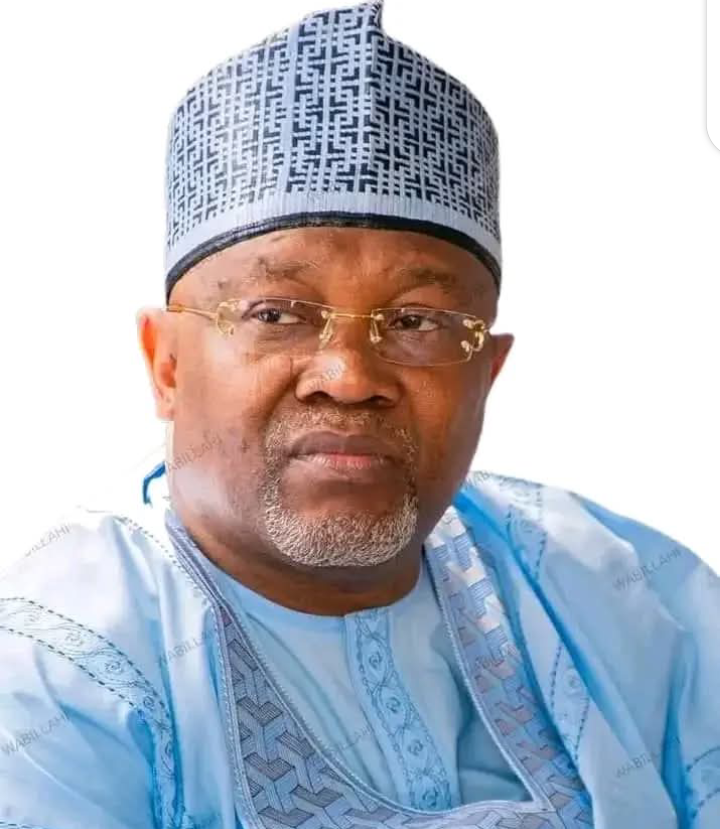
A new chapter in grassroots governance has begun in Edo State following the emergence of 30-year-old Anthony Osarobo of the All Progressives Congress (APC) as the chairman-elect of Ovia South West Local Government Area. His victory in the recently concluded Edo State local government election has attracted attention across the state, with many describing it as a significant milestone for youth participation in Nigerian politics.
Osarobo’s election makes him one of the youngest individuals to secure a local government chairmanship seat in the state, reinforcing growing conversations about the increasing involvement of younger Nigerians in leadership and governance.
The Edo State Independent Electoral Commission (EDSIEC) conducted the local government elections across the state’s 18 local government areas amid heightened political interest. Although the APC recorded victories in several councils, Osarobo’s emergence stood out because of his age and the expectations surrounding a new generation of political leadership.
Political analysts say the election reflects a gradual shift in Nigeria’s political landscape, where younger candidates are increasingly being entrusted with leadership responsibilities at the grassroots level.
While local government elections often receive less national attention than gubernatorial or presidential contests, they remain critical because local councils are directly responsible for delivering essential public services, implementing development projects, and maintaining close engagement with communities.
Speaking after his victory, Osarobo expressed appreciation to residents of Ovia South West for the confidence they placed in him. He pledged to provide transparent, accountable, and people-oriented leadership while prioritizing infrastructure development, education, healthcare, youth empowerment, agriculture, and economic opportunities.
According to him, the election victory belongs to every resident of the local government regardless of political affiliation. He called on supporters and opponents alike to unite behind a common vision of development, stressing that governance should focus on improving the welfare of citizens rather than political divisions.
Observers believe the chairman-elect faces significant expectations from residents who are hopeful that youthful leadership will bring innovation, improved service delivery, and stronger community engagement.
Local government administration remains one of the most important tiers of governance in Nigeria. Constitutionally, local councils are expected to oversee primary healthcare services, basic education support, rural road maintenance, markets, sanitation, environmental management, community development, and other grassroots initiatives.
For many communities, the effectiveness of local government leadership directly influences daily life through the provision of public services and implementation of development programmes. As a result, newly elected council chairmen often face immediate pressure to deliver tangible improvements.
Osarobo’s emergence also aligns with broader national conversations encouraging greater youth inclusion in politics. Since the passage of Nigeria’s “Not Too Young To Run” legislation, more young Nigerians have contested elective offices at different levels, although electoral victories among younger candidates remain relatively limited.
Political commentators note that while winning elections is an important milestone, the real challenge lies in governance.
Delivering campaign promises, ensuring prudent financial management, maintaining transparency, and fostering inclusive development will ultimately determine the success of Osarobo’s administration.
The outcome of the Edo local government elections has generated mixed reactions across the political spectrum.
APC supporters celebrated the victories recorded by the party in several councils, describing the results as a reflection of public confidence in the party’s grassroots structures.
Meanwhile, opposition parties have continued to raise concerns over aspects of the electoral process in some areas. As is common after local government elections in Nigeria, some political stakeholders have called for continuous reforms aimed at strengthening electoral credibility, improving transparency, and enhancing public trust in democratic institutions.
Election observers have consistently emphasized that peaceful elections, adherence to electoral laws, and transparent vote collation remain essential for sustaining democratic governance at all levels.
For residents of Ovia South West, however, attention is gradually shifting from election campaigns to governance. Community leaders, youth groups, women associations, and business owners have expressed hope that the incoming administration will prioritize projects capable of improving livelihoods and stimulating local economic growth.
Among the issues frequently highlighted by residents are road rehabilitation, access to clean water, improved healthcare facilities, educational development, environmental sanitation, agricultural support, youth employment, and enhanced security collaboration with relevant agencies.
Experts argue that local governments possess enormous potential to accelerate development when resources are effectively managed and public participation is encouraged.
They note that transparent budgeting, regular community engagement, accountability mechanisms, and strategic partnerships with state and federal institutions can significantly improve service delivery.
Osarobo’s relatively young age has also renewed discussions about leadership succession within Nigeria’s political system. Youth advocacy groups have described his election as an encouraging development capable of inspiring more qualified young people to participate actively in democratic governance rather than remaining on the sidelines.
Across Africa, several countries have witnessed increasing youth participation in politics as governments and civil society organizations advocate for inclusive leadership. Nigeria, with one of the world’s youngest populations, continues to experience growing demands for greater representation of young people in public office.
Nevertheless, governance experts caution that age alone does not guarantee effective leadership. They stress that competence, integrity, accountability, administrative capacity, and commitment to public service remain the most important qualities for elected officials regardless of age.
For Anthony Osarobo, the months ahead will likely determine whether his administration can translate campaign promises into measurable improvements for residents of Ovia South West.
His ability to work collaboratively with councillors, traditional institutions, community leaders, civil society organisations, youth groups, women associations, and the Edo State Government will be crucial in addressing local development challenges.
The chairman-elect is also expected to ensure prudent management of public funds while promoting transparency and accountability in local government administration. Strengthening internally generated revenue, improving infrastructure, attracting investments, supporting local businesses, and expanding opportunities for young entrepreneurs could become defining priorities of his tenure.
Political observers believe successful performance at the local government level often serves as a foundation for higher political responsibilities. Consequently, Osarobo’s administration will likely be closely monitored by both supporters and critics as an indicator of the capacity of younger leaders to manage public institutions effectively.
As Edo State begins another phase of local governance, the emergence of one of its youngest elected council chairmen represents more than a political victory. It reflects an evolving democratic landscape where younger Nigerians are increasingly taking active roles in shaping public policy and community development.
Whether this historic electoral success ultimately translates into meaningful progress for Ovia South West will depend on sustained commitment to good governance, transparent leadership, inclusive decision-making, and measurable development outcomes.
For now, residents of Ovia South West await the inauguration of their new chairman with cautious optimism, hoping that youthful energy will be matched by effective governance capable of improving lives and strengthening confidence in local government administration.
Sources
Edo State Independent Electoral Commission (EDSIEC)
Channels Television
The Punch
Vanguard Nigeria
The Nation Newspaper
Premium Times Nigeria
Daily Trust