Reported by Weng Patrick Atokor l Journalist at Weng Global
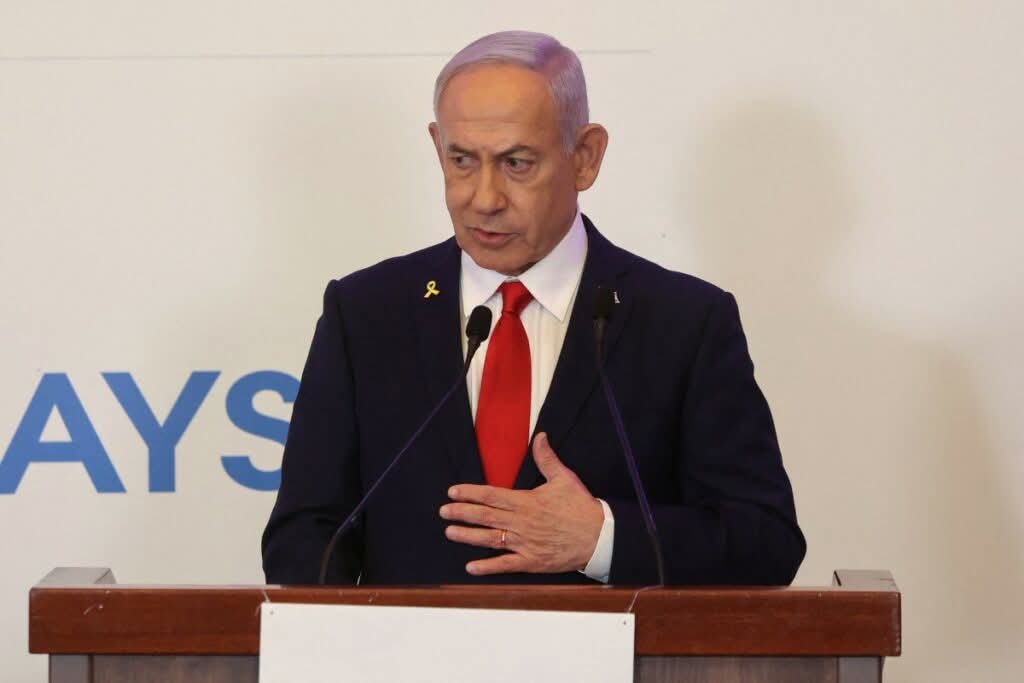
Dozens of delegates walked out of the United Nations General Assembly chamber in New York on Thursday as Israeli Prime Minister Benjamin Netanyahu began his address, during which he defended Israel’s military action against Iran and its strikes on Iranian nuclear facilities.
The walkout came as Netanyahu addressed the 81st session of the UN General Assembly amid intense international debate over Israel’s military operations, the conflict involving Iran and the broader security situation in the Middle East. The United Nations confirmed Netanyahu’s appearance as part of the General Debate of the 81st General Assembly session.
Several delegations left the chamber as Netanyahu approached the podium, while members of the Israeli delegation remained in the hall and applauded. Reports said the atmosphere was marked by a mixture of protests, applause and calls for order.
Netanyahu Defends Military Action Against Iran
Netanyahu used his address to defend Israel’s decision to strike Iran’s nuclear facilities, presenting the military campaign as a measure intended to prevent Iran from developing a nuclear weapon.
He said the destruction of Iran’s nuclear facilities had been difficult but described the decision to carry out the operation as one of the easiest decisions he had made as Israel’s prime minister.
Netanyahu argued that Israel’s military action had been necessary because of what he described as the threat posed by Iran’s nuclear programme.
He also told the assembly that Israel was acting not only in its own interest but in the interests of other countries that, according to him, faced potential threats from Iran.
Reuters had reported ahead of the speech that Netanyahu intended to use his appearance at the UN to defend Israel’s military actions and respond to international criticism.
Delegates Leave the General Assembly Hall
The departure of diplomats became one of the most visible moments of Netanyahu’s appearance.
According to reports from the UN session, scores of delegates left their seats as the Israeli prime minister took the podium. UN General Assembly President Khalilur Rahman repeatedly called for order as the disruption continued.
Netanyahu responded directly to those who had left, referring to them as “moral cowards” and challenging any remaining delegates who wanted to leave to do so.
The walkout followed an appeal by the Palestinian Mission to the UN encouraging representatives to leave the chamber when Netanyahu began speaking.
The protest was not the first such disruption surrounding Netanyahu’s UN appearance. Delegates also walked out during his address at a previous General Assembly session, reflecting the continuing divisions surrounding Israel’s military operations and its policies toward the Palestinians.
Israel’s Case Over Iran’s Nuclear Programme
At the centre of Netanyahu’s speech was Israel’s long-running claim that Iran’s nuclear programme presents a serious security threat.
Israel has repeatedly argued that Iran must not be allowed to acquire a nuclear weapon. Iran, however, has maintained that its nuclear programme is intended for peaceful purposes and has rejected accusations that it is seeking to develop nuclear weapons.
The issue has remained a major point of disagreement between Tehran, Israel and Western governments.
The International Atomic Energy Agency has also remained central to international efforts to monitor Iran’s nuclear activities. Earlier in September, Iran criticised an IAEA Board of Governors resolution that referred concerns about its nuclear commitments to the UN Security Council. Reuters reported that Iranian officials accused the nuclear watchdog of taking politically motivated steps, while the IAEA process reflected continuing international concerns over Iran’s compliance with its non-proliferation obligations.
The dispute has therefore extended beyond the immediate military confrontation to questions surrounding international nuclear monitoring, sanctions and diplomatic efforts to prevent further escalation.
Netanyahu Says Israel Is Also Defending Other Countries
During his speech, Netanyahu sought to broaden the justification for Israel’s military campaign by arguing that the country was protecting other nations from the threat posed by Iran.
He said Israel was defending countries whose representatives had walked out of the General Assembly and claimed that some foreign leaders had privately expressed appreciation for Israel’s actions against Iran’s nuclear programme.
Those claims were presented by Netanyahu during his address and should be understood as his characterisation of private discussions with foreign leaders. They were not independently verified in the reports reviewed by Weng Global.
The comments underscored the wider geopolitical dimension of the conflict, which has drawn in the United States and other regional and international actors.
Iran Conflict Dominates UN Discussions
The confrontation involving Iran has become one of the central issues at this year’s General Assembly.
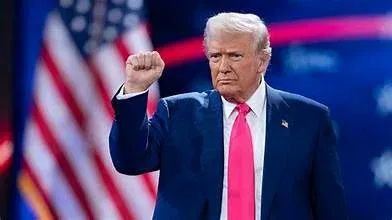
US President Donald Trump also used his UN address earlier in the week to defend US military action against Iran and warned Tehran of further consequences if a peace agreement could not be reached. Reuters reported that Trump urged other countries to economically isolate Iran while leaving open the possibility of negotiations.
Iran, meanwhile, has signalled that it remains open to diplomacy under certain conditions.
Reuters reported on September 22 that a senior Iranian official said Tehran was prepared to reopen the strategically important Strait of Hormuz within seven days if the United States reduced military pressure and lifted its blockade on Iranian ports.
The official also said Iran’s UN delegation had authority to pursue diplomatic discussions through mediators.
The competing positions illustrate the difficult balance between military pressure and diplomatic efforts to end the conflict.
Wider Middle East Tensions
Netanyahu’s UN appearance came against a broader backdrop of continuing conflict and diplomatic tension across the Middle East.
In addition to Iran, Israel’s military campaign in Gaza and its wider confrontation with Hamas have generated sustained international criticism. Netanyahu has rejected allegations made against Israel and has maintained that Israeli military operations are directed at Hamas and intended to protect Israel.
The Israeli government has also faced criticism from a number of governments and international organisations over its conduct of military operations and the humanitarian consequences of the Gaza conflict.
Netanyahu’s appearance therefore provided a major international platform for Israel to present its position at a time when disagreements over Gaza, Iran and the future of the region remain deeply divisive.
Why the Walkout Matters
The walkout was significant because it demonstrated the level of diplomatic opposition surrounding Netanyahu’s government and its military policies.
The UN General Assembly brings together representatives of 193 member states, making the chamber one of the world’s most prominent forums for international diplomacy. A visible mass departure during a national leader’s address can therefore serve as a public expression of political disagreement, although it does not itself constitute a formal UN decision or resolution.
At the same time, the fact that other delegations remained in the hall and some members of Israel’s delegation applauded Netanyahu illustrated the continuing divisions among UN members over Israel, Iran and the wider Middle East conflict.
The episode also showed how the General Assembly has become an important platform for competing narratives about the conflict.
What Happens Next
The immediate challenge for the international community remains finding a pathway toward reducing the risk of further military escalation between Iran, Israel and the United States.
Iran has indicated that diplomacy remains possible if certain conditions are met, while Washington has continued to demand guarantees concerning Iran’s nuclear capabilities. Israel, meanwhile, has continued to defend its military campaign as necessary for its national security.
Further diplomatic discussions at and around the UN General Assembly could therefore become important in determining whether the confrontation moves toward negotiations or continued military escalation.
For countries across Africa and the wider developing world, the consequences extend beyond diplomacy. Prolonged instability in the Middle East can affect energy markets, shipping routes, food and transport costs, and broader international economic conditions.
The UN gathering is consequently taking place at a critical moment, with competing calls for military deterrence, diplomatic engagement and a broader effort to prevent the conflict from expanding.
For now, Netanyahu’s address has reinforced the deep divisions surrounding Israel’s military actions and Iran’s nuclear programme, while the walkout provided a highly visible demonstration of the disagreement inside the UN’s principal deliberative chamber.
Weng Global – Stories beyond borders
Sources
- United Nations General Assembly — official record of Benjamin Netanyahu’s address during the 81st General Assembly.
- Reuters — reporting on Netanyahu’s planned UN address and Israel’s position on its military actions.
- Associated Press — reporting on Netanyahu’s defence of Israel’s military action against Iran.
- ITV News — reporting on the walkout by delegates during Netanyahu’s UN address.
- Punch — report on the UN delegates’ walkout as Netanyahu defended Israel’s action against Iran.