Reported by Simon yusuph,| Journalist at wengglobal
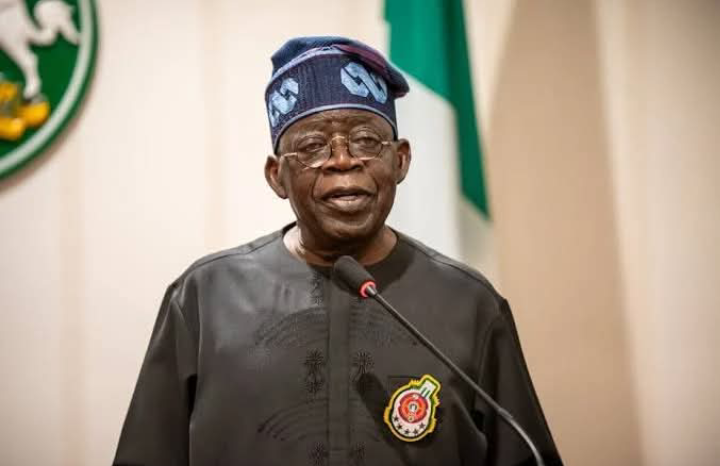
President Bola Ahmed Tinubu has appealed to Nigerian healthcare professionals living and working abroad to return home and contribute to rebuilding the country’s health sector, describing their skills and experience as essential to Nigeria’s long-term development.
The President made the appeal while addressing members of the Nigerian medical community in the diaspora during an engagement abroad, where he emphasized that no country can truly replace one’s homeland. Drawing from his personal journey and years spent outside Nigeria before returning to participate in national politics, Tinubu urged doctors, nurses, researchers, and other healthcare professionals to consider investing their knowledge and expertise in strengthening the country’s healthcare system.
His remarks come at a time when Nigeria continues to grapple with a persistent shortage of medical personnel, fueled by the migration of thousands of healthcare workers seeking better working conditions, improved remuneration, and expanded career opportunities overseas.
Tinubu acknowledged the significant contributions Nigerians in the diaspora are making across the world but stressed that their homeland would benefit immensely if more professionals chose to return or actively support national development through partnerships, investment, knowledge transfer, and innovation.
“There is nowhere like home,” the President said, encouraging medical professionals to play a leading role in transforming Nigeria’s healthcare landscape.
Nigeria’s Brain Drain Challenge
Nigeria has experienced one of Africa’s largest waves of healthcare worker migration over the past decade. Thousands of doctors, nurses, pharmacists, and laboratory scientists have relocated to countries including the United Kingdom, the United States, Canada, Australia, and several Gulf nations.
Professional bodies, including the Nigerian Medical Association (NMA), have repeatedly warned that the continued exodus of healthcare workers has placed enormous pressure on hospitals nationwide. Many public health facilities struggle with inadequate staffing levels, resulting in longer waiting times, increased workloads for remaining personnel, and reduced access to quality healthcare services.
According to industry reports and government estimates, the migration trend—commonly referred to as the “Japa” phenomenon—has intensified in recent years due to economic pressures, limited infrastructure, security concerns, and better employment opportunities abroad.
The World Health Organization (WHO) has also identified healthcare workforce shortages as one of the major challenges affecting health systems in many developing countries, particularly across sub-Saharan Africa.
Tinubu Highlights Shared National Responsibility
During his interaction with the diaspora community, Tinubu argued that national development requires collective participation from Nigerians both at home and abroad.
He noted that while many professionals have built successful careers overseas, they possess valuable expertise capable of improving healthcare delivery, medical education, research, and technological innovation in Nigeria.
The President emphasized that returning home does not necessarily require abandoning international careers permanently. He encouraged collaborative partnerships, temporary service initiatives, investment in hospitals, specialist training, telemedicine, medical research, and mentorship programmes that could help strengthen Nigeria’s healthcare capacity.
According to the President, rebuilding critical sectors such as healthcare requires the combined efforts of government institutions, private investors, academic institutions, and highly skilled Nigerians in the diaspora.
Government Pursues Health Sector Reforms
Tinubu’s appeal aligns with his administration’s broader healthcare reform agenda, which seeks to expand access to quality medical services, improve primary healthcare infrastructure, strengthen health insurance coverage, and increase investments in medical education and specialist training.
Federal authorities have also announced initiatives aimed at upgrading teaching hospitals, modernizing healthcare facilities, improving pharmaceutical manufacturing, and supporting local production of medical equipment and essential medicines.
Health experts argue, however, that infrastructure improvements alone may not be sufficient to reverse the migration trend unless accompanied by competitive salaries, improved welfare packages, safer working environments, opportunities for professional development, and greater investment in research.
Many analysts believe addressing these structural challenges would significantly increase the likelihood of skilled professionals choosing to remain in—or return to—Nigeria.
Diaspora Contributions Extend Beyond Remittances
Nigeria’s diaspora community remains one of the country’s most valuable economic assets. Beyond financial remittances—which consistently rank among Africa’s highest—the diaspora contributes through investment, entrepreneurship, education, healthcare partnerships, technology transfer, and humanitarian initiatives.
Medical associations abroad have regularly organized outreach missions to Nigeria, providing specialist surgeries, medical training, equipment donations, and continuing professional education for local healthcare workers.
Experts believe expanding these collaborations could help bridge existing healthcare gaps while encouraging long-term partnerships between Nigerian institutions and leading international medical centers.
Mixed Reactions from Stakeholders
Tinubu’s remarks have generated varied reactions among healthcare professionals and policy observers.
Some stakeholders welcomed the President’s recognition of the diaspora’s importance, describing the appeal as a positive step toward rebuilding confidence between government and highly skilled Nigerians abroad.
Others argued that meaningful reforms must accompany such appeals. They maintain that improving hospital infrastructure, ensuring timely payment of salaries, enhancing security, increasing research funding, and creating transparent career progression pathways remain essential to reversing the brain drain.
Healthcare policy analysts note that several countries facing similar workforce shortages have successfully encouraged the return of skilled professionals through targeted incentives, tax benefits, research grants, housing support, and internationally competitive working conditions.
Building a Sustainable Healthcare Future
Public health experts agree that solving Nigeria’s healthcare workforce challenge requires both immediate interventions and long-term planning.
Strengthening medical education, expanding residency training opportunities, improving healthcare financing, modernizing hospitals, and fostering stronger partnerships with the private sector are among the measures frequently recommended by experts.
In addition, leveraging digital health technologies, telemedicine, artificial intelligence, and international collaborations could enable Nigerian specialists abroad to contribute meaningfully even before deciding to relocate permanently.
For many observers, Tinubu’s message underscores an important national conversation about how Nigeria can harness the expertise of its global talent pool while creating conditions that encourage professionals to build sustainable careers at home.
As Africa’s most populous nation continues to pursue healthcare reforms, the success of these efforts may depend not only on government policies but also on the willingness of skilled Nigerians across the world to participate in shaping the country’s future.
Whether through permanent return, temporary service, investment, research collaboration, or mentorship, diaspora healthcare professionals remain central to Nigeria’s ambition of building a stronger, more resilient, and more accessible healthcare system capable of meeting the needs of its growing population.
Sources
- Presidency of the Federal Republic of Nigeria
- Reuters
- BBC News
- Channels Television
- Premium Times
- The Guardian Nigeria
- Nigerian Medical Association (NMA)
- World Health Organization (WHO)