Reported by Simon Daniel Yusuph l Journalist at Weng Global
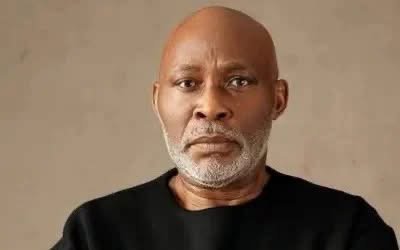
Veteran Nigerian actor and filmmaker Richard Mofe-Damijo, popularly known as RMD, has urged Nigerians to move beyond simply criticising the country and contribute practical ideas towards addressing its challenges.
RMD made the call on Tuesday, September 29, 2026, while speaking at the 2026 Pivot Nigeria Conference at the MUSON Centre in Lagos, where participants examined Nigeria’s international reputation and the economic and social consequences of how the country is perceived.
The conference, themed “The Reputation Dividend: Who Pays for Nigeria’s Perception?”, brought together figures from the creative, media and communications sectors to discuss how government, businesses, institutions and individual citizens contribute to Nigeria’s image.
RMD said Nigerians should acknowledge the country’s problems but should also focus on finding ways to address them rather than limiting public discussion to criticism.
“There are problems, but we need to fix them. Don’t stand and just criticise and propose no solution,” he said, according to reports of his remarks.
RMD Calls for Responsibility and Solutions
The actor said criticism of Nigeria’s problems should be accompanied by efforts to find solutions.
His remarks were framed around the responsibilities of citizens, institutions and political leaders in shaping the country’s future.
RMD also called for greater accountability in governance, saying Nigerians need to demand responsibility from those holding public office.
“We don’t hold leadership accountable enough,” he said, according to Nigeria Info FM’s report of the conference. He added that leaders should understand that they are responsible to the people they represent.
His comments place responsibility for national development on both citizens and leaders rather than solely on government.
Nigeria’s International Image
A major focus of the conference was Nigeria’s reputation and how perceptions of the country can affect opportunities, relationships and economic activity.
RMD argued that individual Nigerians also have a role in shaping how the country is viewed internationally.
He urged Nigerians travelling or interacting with people abroad to remember that their conduct can influence perceptions of Nigeria.
“Just remember who you are. You are an ambassador, not just for yourself, your parents or your school, but ultimately for your country,” he said, according to reports.
The argument reflects a broader discussion about national reputation, in which the image of a country is influenced not only by government policy but also by the actions of businesses, citizens, institutions and the media.
RMD Says Nigeria Is a Work in Progress
RMD also described Nigeria as a country still undergoing development and urged citizens to remain committed to improving it.
He cautioned against expecting the country’s challenges to disappear immediately, stressing the need for sustained effort.
“We are a country, we’re a work in progress, and we must continue just doing the work,” he said.
Leadership Newspaper reported that RMD also argued that Nigeria’s age should not be used to excuse poor governance or institutional failures. Instead, he said the country’s history should reinforce the need for deliberate and sustained nation-building.
Nigeria will mark 66 years of independence in 2026, having gained independence from Britain in 1960.
RMD’s remarks therefore combined a call for patience with an acknowledgement that the country’s problems require active efforts to address them.
Accountability Remains Part of the Debate
While urging citizens to contribute to national development, RMD also emphasised the importance of holding political leaders accountable.
This distinction is significant because calls for citizens to take responsibility do not remove the obligations of government and public institutions.
The Nigerian state remains responsible for public policies, institutions and services, while citizens have avenues through which they can participate in democratic processes and demand accountability.
The National Human Rights Commission recently stressed that democracy involves citizens’ ability to participate and hold those in power accountable. In a September 2026 statement ahead of the 2027 general elections, the commission called on politicians and their supporters to exercise responsibility in public discourse.
RMD’s comments similarly placed civic responsibility and political accountability within the same conversation.
Conference Focuses on Nigeria’s Reputation
The Pivot Nigeria Conference was convened to examine the relationship between national reputation and economic and social outcomes.
Victoria Uwadoka, the conference convener and Lead Consultant at HighStakes PR Professionals, said reputation should be treated as an important national asset.
She argued that responsibility for Nigeria’s reputation extends beyond government to individuals, businesses, institutions and the media.
“Media has a responsibility. Individuals have a responsibility. Institutions have a responsibility. Corporate Nigeria has a responsibility. Government has a responsibility,” Uwadoka said, according to Nigeria Info FM.
She also called for a more balanced portrayal of Nigeria, saying citizens should acknowledge genuine problems while also recognising the country’s achievements.
Nigeria’s Achievements and Challenges
RMD pointed to the achievements of Nigerian creatives and entrepreneurs as examples of Nigerians contributing to the country’s international reputation.
He referenced the global growth of Afrobeats and the success of Nigerian businessman Aliko Dangote as examples of achievements that have strengthened Nigeria’s visibility internationally.
Nigeria’s creative industry has developed significant international reach through music, film and other forms of entertainment, while Nigerian businesses and entrepreneurs operate across several sectors.
At the same time, the country continues to face challenges involving security, infrastructure, economic pressures, unemployment, public services and institutional effectiveness.
The discussion at the conference did not suggest that acknowledging these problems should be abandoned. Instead, speakers called for a balance between recognising shortcomings and identifying areas of progress.
The Role of Citizens in Nation-Building
RMD’s remarks focused heavily on the role of individuals in building the country.
His argument was that citizens should not see national development exclusively as the responsibility of government.
That approach encompasses everyday conduct, participation in civic life, professional standards, accountability and contributions to communities.
However, the responsibility of citizens exists alongside the responsibilities of government and public institutions.
A functioning society requires both citizens who participate constructively and institutions that respond effectively to public needs.
The conference discussion therefore placed national reputation within a wider framework involving government, businesses, media organisations, civil society and ordinary Nigerians.
Why Nigeria’s Reputation Matters
A country’s reputation can influence how foreign investors, tourists, businesses, institutions and international partners perceive opportunities within that country.
A negative perception can create challenges for businesses and citizens operating internationally, while positive recognition of Nigerian achievements can create opportunities for cultural exchange, investment and collaboration.
But reputation is not determined by public relations alone.
Government performance, economic conditions, security, institutional credibility and the experiences of citizens and visitors all contribute to how a country is perceived.
This was one of the central issues explored at the Pivot Nigeria Conference.
The emphasis on reputation therefore went beyond the question of how Nigeria is portrayed. It also raised questions about the conditions and actions that produce those perceptions.
RMD’s Message to Young Nigerians
RMD particularly encouraged Nigerians to recognise their individual influence on the country’s image.
His message was that Nigerians should view themselves as representatives of the country whenever they interact with others, particularly internationally.
That perspective places emphasis on personal conduct and professional standards.
For young Nigerians, the message is particularly relevant because millions of Nigerians now operate internationally in areas including entertainment, technology, business, academia, sports and professional services.
Their achievements can contribute to Nigeria’s international profile, while individual misconduct can also affect perceptions.
The conference therefore linked individual responsibility with the broader question of national reputation.
What the Discussion Means for Nigeria
RMD’s intervention adds a public voice to an ongoing national conversation about how Nigeria should address its challenges while presenting a more balanced picture of the country.
His position was not that Nigerians should ignore the country’s problems. Rather, he argued that criticism should be accompanied by practical efforts to solve those problems.
That distinction is important because public criticism can serve a democratic purpose when it draws attention to failures and demands accountability.
At the same time, solutions require participation from multiple actors, including government, businesses, civil society, professionals and citizens.
The conference’s discussions therefore placed Nigeria’s reputation within the broader question of how the country addresses its internal challenges.
What Happens Next?
The issues raised at the Pivot Nigeria Conference extend beyond the event itself.
Improving Nigeria’s reputation will depend on actions as well as public messaging. For government, that includes effective policies, credible institutions, infrastructure and public services. For businesses and institutions, it involves professional standards and responsible conduct. For citizens, it includes civic participation and personal responsibility.
Uwadoka also called for a balanced national narrative that recognises both Nigeria’s problems and its achievements.
RMD’s message similarly emphasised sustained effort, accountability and practical contributions rather than criticism alone.
As Nigeria approaches the 2027 general election, debates about governance, national identity, accountability and the country’s international image are likely to remain prominent.
The challenge for policymakers and citizens alike will be translating calls for responsibility and solutions into measurable improvements in people’s everyday lives.
Weng Global – stories beyond borders
Sources
- Nigeria Info FM
- Leadership Newspaper
- Prompt News
- National Human Rights Commission