Reported by Weng Patrick Atokor l Journalist at Weng Global
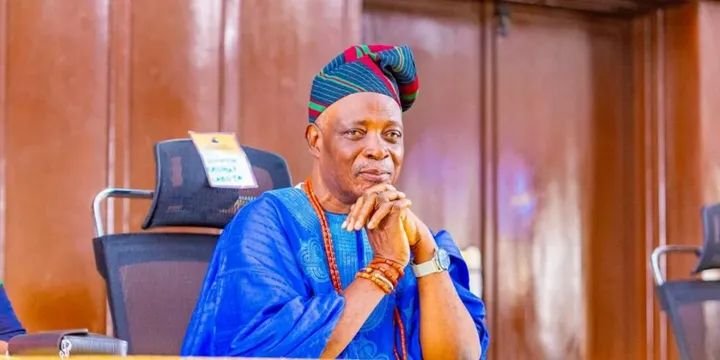
The Olubadan of Ibadanland, Oba Rashidi Adewolu Ladoja, has signed a comprehensive economic blueprint aimed at repositioning Ibadan as a major centre of investment, industrial development and economic activity in Nigeria.
The monarch signed the economic charter at the Olubadan Palace, Oke-Aremo, in Ibadan, Oyo State, on Monday, November 9, 2026, following its preparation by the Olubadan Economic and Investment Committee.
The development marks a significant step in the traditional ruler’s efforts to promote economic revitalisation, attract investment and establish a framework for the long-term development of the ancient city.
In a statement issued on Tuesday by his media aide, Chief Adeola Oloko, Oba Ladoja expressed optimism that Ibadan’s economic transformation would become a reality with the completion of the blueprint.
The document is designed to provide a structured direction for economic activities across several sectors, including agriculture, mining, tourism, security and industry.
The monarch described the blueprint as a comprehensive economic charter that would guide the planning and implementation of development programmes across Ibadanland.
Economic Committee Behind the Blueprint
The economic charter was developed by the Olubadan Economic and Investment Committee, established by Oba Ladoja on October 23, 2025, to lay a foundation for the city’s economic future.
The committee is chaired by Chief Onikepo Akande, a former minister, while Professor Dapo Afolabi, a former Head of the Civil Service of the Federation, serves as co-chairman.
The committee brings together individuals with experience in government, business, investment and public administration. Its assignment is to identify opportunities for economic expansion and develop strategies capable of attracting investors to Ibadan.
The signing of the blueprint follows months of work by the committee, which has been developing proposals for industrial revival, investment mobilisation and economic development.
Oba Ladoja commended the committee for its efforts, particularly its work in preparing the economic charter over the past year.
He expressed confidence that the document would provide a framework for planning economic programmes and advancing the interests of Ibadanland.
Agriculture, Mining and Tourism Among Priority Sectors
Agriculture, mining, tourism, security and industry are among the sectors identified in the economic blueprint.
The inclusion of agriculture reflects the importance of strengthening food production, agricultural investment and commercial activities within and around Ibadan.
A stronger agricultural economy could create opportunities for farmers, processors, distributors and other businesses operating across the agricultural value chain.
Mining is another area identified for attention. The development of mineral resources could provide opportunities for investment, industrial processing and employment if supported by responsible regulation, infrastructure and effective management.
Tourism also features in the economic framework. Ibadan has a rich cultural and historical identity, and efforts to develop its tourism potential could support hospitality businesses, cultural enterprises and other services.
The inclusion of security is equally significant because a safe environment is essential for businesses to operate and investors to commit resources over the long term.
However, the signing of the blueprint does not in itself establish that these sectoral programmes have begun. Their impact will depend on the projects, funding arrangements and implementation measures that follow.
Committee Targets Industrial Revival and New Investment
One of the major ambitions associated with the Olubadan’s economic initiative is the revival of industries that previously contributed to Ibadan’s commercial and industrial importance.
During earlier discussions about the city’s economic future, Oba Ladoja drew attention to the decline of several manufacturing businesses, including Leyland, Exide Battery, Wire and Cable, Isoglass and Ferodo.
The monarch questioned how Ibadan could restore its former industrial strength and create employment opportunities for its growing population, particularly young people.
The committee has also outlined plans to attract both indigenous and foreign investors.
In April 2026, committee chairperson Onikepo Akande disclosed that members had developed a framework to mobilise at least ₦25 billion through an economic and investment summit.
She also identified plans to facilitate the revival of struggling industries, develop mineral resources and encourage value-added production.
Other proposals included establishing the Olubadan International Jewellery Trade Centre in partnership with Oodua Investment Company, developing cocoa plantations and structured agribusiness models, and strengthening urban renewal initiatives.
The committee also identified food security, physical security and the preservation of historical and cultural landmarks as areas requiring attention.
These proposals provide additional context for the economic blueprint signed by the monarch. However, the previously announced ₦25 billion mobilisation target should be understood as a committee proposal, not confirmation that the money has already been raised or secured.
Traditional Institution Seeks a Greater Role in Economic Development
The initiative reflects an effort to expand the role of the traditional institution beyond cultural preservation and community leadership.
Traditional rulers often maintain relationships with local communities, business owners, political leaders and influential individuals within their territories.
Such relationships can provide a platform for bringing stakeholders together, promoting investment opportunities and encouraging cooperation around development priorities.
In Ibadan, the Olubadan institution occupies an important position in the city’s traditional and cultural structure.
By establishing an economic committee and developing a formal charter, Oba Ladoja is seeking to use that influence to support broader economic objectives.
Nevertheless, the success of the initiative will require cooperation with the Oyo State Government, local government authorities, private-sector organisations, financial institutions and development partners.
The traditional institution can help mobilise support and encourage investment, but many of the policies, infrastructure projects and regulatory decisions required for economic transformation fall within the responsibilities of government and relevant agencies.
Why the Economic Blueprint Matters to Ibadan
Ibadan is one of Nigeria’s major urban centres and an important historical, commercial and administrative city in the South-West.
Its economic potential extends beyond its traditional markets and commercial activities to manufacturing, agriculture, education, tourism, real estate and professional services.
A coordinated development framework could help identify investment opportunities and improve collaboration among businesses, government institutions and community stakeholders.
For residents, the most important potential benefits include employment opportunities, improved business activity, stronger agricultural markets and the development of industries capable of supporting household incomes.
Young people could particularly benefit if investment proposals translate into manufacturing jobs, vocational opportunities, entrepreneurship support and other forms of productive economic activity.
Small and medium-sized businesses could also benefit from improved infrastructure, access to markets and a more organised investment environment.
For investors, a clear development framework could help communicate the city’s economic priorities and identify sectors where investment may be encouraged.
However, a blueprint can only deliver these benefits if its proposals are supported by realistic funding, transparent administration, measurable targets and consistent implementation.
Implementation Remains the Major Test
Although the signing represents an important development, the effectiveness of the economic blueprint will ultimately be determined by how its proposals are implemented.
Investors will need more than assurances. They will require reliable infrastructure, access to financing, policy consistency, security and an environment in which businesses can operate sustainably.
The committee will also need to establish clear priorities, identify funding sources, develop implementation timelines and create mechanisms for monitoring progress.
Public accountability will be important in determining whether the economic initiative produces measurable benefits for residents.
The proposed industrial revival, agricultural development and investment mobilisation efforts will require collaboration between the traditional institution and public and private-sector stakeholders.
There is also a need to ensure that economic opportunities extend beyond major investors to small businesses, local entrepreneurs and ordinary residents.
What Happens Next?
With the economic charter now signed, attention will shift towards translating its recommendations into practical development programmes.
Ambassador Akinremi Bolaji, who presented the charter, indicated that the work was only beginning and called for collective participation in advancing the initiative.
The presence of members of the Olubadan-in-Council, committee members and other dignitaries at the presentation highlighted the importance attached to the initiative.
However, specific implementation deadlines, funding commitments for the signed blueprint and a detailed public monitoring framework were not established in the announcement.
The next major milestone will therefore be the development and execution of projects capable of translating the economic framework into investment, industrial activity and employment.
For Ibadan residents, the expectation will be that the initiative moves beyond planning documents and produces tangible improvements in the city’s economy.
The signing of the blueprint gives the Olubadan’s economic vision a formal framework. Its lasting significance, however, will depend on whether the proposed transformation creates opportunities and improves living standards across Ibadanland.
Weng Global – Stories beyond borders
Sources
- Punch – Olubadan Signs Economic Blueprint to Transform Ibadan.
- Punch – Olubadan Committee Targets Industrial Revival and Investment Inflow.
- Radio Nigeria Ibadan – Olubadan Rolls Out Security, Economic Initiatives.
- The Guardian – Ibadan Will Soon Witness Better Economic Development, Says Oba Ladoja.