Reported by Simon Daniel Yusuph l Journalist at Weng Global
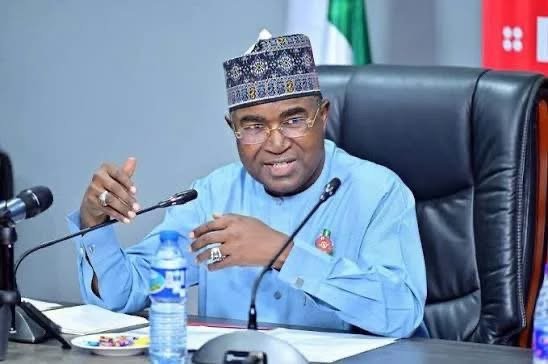
The Chairman and Chief Executive Officer of the National Drug Law Enforcement Agency (NDLEA), Brigadier General Mohamed Buba Marwa (retd.), has intensified Nigeria’s campaign against drug abuse and illicit trafficking, calling for stronger collaboration among government institutions, traditional rulers, religious organisations, transport unions and communities in Edo State.
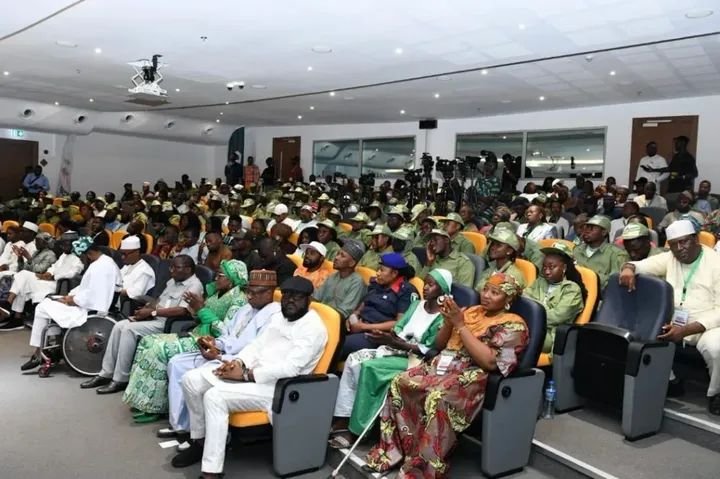
Marwa made the call on Wednesday, November 4, 2026, during an advocacy visit to Benin City, where he secured commitments from Edo State Governor, Senator Monday Okpebholo, and the Oba of Benin, His Royal Majesty, Omo N’Oba N’Edo Uku Akpolokpolo, Oba Ewuare II, to support the ongoing national campaign against substance abuse and illicit drug trafficking.
The visit formed part of the NDLEA’s War Against Drug Abuse (WADA) campaign, an initiative designed to strengthen public awareness, discourage substance abuse and encourage collective participation in addressing drug-related challenges across Nigeria.
During separate engagements with government officials, traditional authorities and transport union leaders, Marwa emphasised that the fight against illicit drugs cannot be left to law enforcement agencies alone.
He maintained that sustained cooperation among public institutions, community leaders and ordinary citizens would be necessary to reduce drug availability, prevent substance abuse and support people struggling with addiction.
Okpebholo Pledges Edo Government’s Support
Receiving Marwa and his delegation at the Government House in Benin City, Governor Okpebholo expressed support for the NDLEA’s activities and described the fight against illicit drugs as a responsibility requiring the involvement of every segment of society.
The governor argued that substance abuse was closely associated with several criminal activities and warned that the consequences extended beyond individual drug users to families, communities and the wider security environment.
He specifically identified the relationship between illicit drugs and kidnapping, saying that, based on the state’s experience, some kidnappers demand drugs from their victims before requesting ransom payments.
Okpebholo therefore called on residents, community organisations and relevant institutions to support efforts aimed at preventing drug abuse and trafficking.
He also commended NDLEA personnel operating in Edo State, describing their work as commendable and pledging the state government’s willingness to cooperate with the agency.
The governor assured Marwa that his administration was prepared to consider requests for assistance and strengthen the existing partnership between the state government and the anti-narcotics agency.
The commitment is significant because effective drug control requires cooperation between federal enforcement institutions and state authorities, particularly in areas involving intelligence gathering, public awareness, community engagement and rehabilitation.
For the NDLEA, cooperation with state governments can also improve the operational environment for officers working to disrupt drug distribution networks and identify communities affected by substance abuse.
Marwa Seeks Support for Alternative Development Programme
Beyond public awareness and law enforcement, Marwa used the visit to promote the NDLEA’s Alternative Development Programme, which seeks to persuade communities involved in cannabis cultivation to abandon illicit crop production in favour of legitimate agricultural activities.
The initiative represents an approach that combines drug control with economic alternatives for communities whose livelihoods may depend on cultivating cannabis.
According to the NDLEA chairman, the programme was introduced to encourage farmers involved in illicit cultivation to switch to lawful agricultural production and develop more sustainable sources of income.
He explained that the agency’s pilot implementation began in Ondo State in January 2026 and that the programme’s next phase was being extended to Edo State.
Marwa sought the governor’s support for the initiative, particularly in securing the cooperation of affected communities and providing the necessary assistance to farmers willing to move away from illicit cultivation.
The proposed alternative crops include cassava, yam, maize and other food products that can support household income and contribute to local food production.
The programme is also designed to address some of the economic conditions that make illicit cultivation attractive to rural farmers.
Rather than relying exclusively on arrests and crop destruction, the strategy seeks to make legitimate agricultural activities more viable through government assistance, agricultural inputs and community development.
Marwa’s appeal to the Edo State Government therefore extends beyond security cooperation. It involves creating conditions in which farmers can abandon illegal cultivation without losing their means of livelihood.
If effectively implemented, the programme could help reduce the supply of locally cultivated cannabis while supporting agricultural productivity and improving economic opportunities in participating communities.
However, its long-term success will depend on the availability of practical support, access to markets, sustainable agricultural arrangements and continued engagement with farmers.
Oba of Benin Asked to Mobilise Traditional Institutions
Following his meeting with the governor, Marwa visited the palace of the Oba of Benin, Oba Ewuare II, where he sought the monarch’s support in strengthening the fight against drug abuse and illicit trafficking.
The NDLEA chairman described substance abuse as one of the major challenges confronting Nigeria and stressed the importance of traditional institutions in influencing public behaviour.
He argued that traditional rulers possess considerable authority within their communities and can help discourage drug-related activities through public advocacy, community mobilisation and engagement with families.
Marwa also called on the monarch to encourage communities across the Benin Kingdom to reject cannabis cultivation, drug trafficking and other activities associated with illicit substances.
According to the NDLEA chairman, the agency recorded more than 1,200 arrests of drug traffickers and seized over 30 tonnes of illicit substances in Edo State during 2025.
These figures were disclosed by Marwa during the palace visit and reflect the agency’s account of its enforcement activities in the state.
He further stated that the NDLEA had seized approximately 16 million kilogrammes of assorted illicit substances nationwide over the preceding five years, with cannabis accounting for about 75 per cent of the total.
The figures underscore the scale of the challenge facing drug enforcement authorities, particularly given the presence of cannabis cultivation within Nigeria.
Marwa identified Edo as one of the states involved in cannabis cultivation and argued that reducing the production and distribution of illicit substances would require a combination of enforcement, prevention and economic intervention.
He also acknowledged the importance of the Oba’s influence in addressing other social challenges, including kidnapping and human trafficking.
The NDLEA chairman maintained that traditional rulers could help create community environments that discourage criminal activities and encourage cooperation with law enforcement institutions.
Oba Ewuare II Commends NDLEA, Promises Recommendations
Responding to the NDLEA delegation, Oba Ewuare II commended the agency for its efforts to address drug abuse and remove illicit substances from Nigerian communities.
The monarch also acknowledged the importance of recognising the contributions of traditional institutions and local communities in addressing social problems.
He indicated that he had recommendations that could help improve the agency’s work but preferred to communicate them privately.
According to the NDLEA’s official account of the meeting, the monarch said he would submit his suggestions in writing directly to the chairman for consideration by the agency.
Although the specific recommendations were not publicly disclosed, the monarch’s response demonstrated his willingness to engage with the NDLEA on strategies for addressing drug-related challenges.
The involvement of traditional institutions is particularly relevant in communities where local authorities and cultural structures play important roles in influencing public attitudes and resolving social problems.
Their participation could support awareness campaigns, encourage families to seek assistance for affected relatives and discourage young people from becoming involved in drug-related activities.
Transport Union Leaders Mobilised Against Drug Trafficking
As part of the advocacy campaign in Edo State, Marwa also held a separate engagement with leaders of the National Union of Road Transport Workers (NURTW), led by Comrade Saturday Oamen.
During the meeting, the NDLEA chairman urged transport union officials to use their organisational structures and influence to educate members about the dangers of drug abuse and illicit trafficking.
He called for cooperation between the transport union and the agency to prevent the movement and distribution of illicit substances through roads, motor parks and surrounding communities.
The engagement reflects the importance of transport networks in addressing drug trafficking, particularly because commercial vehicles, transport terminals and road corridors can be exploited by criminal networks.
Transport workers also maintain regular contact with passengers, drivers, vehicle operators and communities, giving their organisations an opportunity to support public awareness and report suspicious activities through appropriate channels.
Marwa therefore encouraged union leaders to become active partners in ensuring that Edo State’s transport infrastructure does not provide opportunities for illicit drug distribution.
The NDLEA also indicated that its advocacy activities would extend to religious organisations and civil society groups as part of efforts to broaden public participation in the campaign.
The chairman was expected to address religious and civil society leaders on Thursday, November 5, 2026.
Drug Abuse Remains a Major Public Health and Security Concern
Nigeria’s drug abuse challenge has implications that extend beyond law enforcement.
Substance abuse can affect individual health, family relationships, educational performance, employment opportunities and community stability.
The problem also creates additional responsibilities for public health institutions, rehabilitation centres, social welfare organisations and security agencies.
The NDLEA’s position is that addressing the challenge requires two complementary approaches: reducing the supply of illicit substances and reducing public demand for them.
Supply reduction involves activities such as arrests, investigations, seizures, prosecution and the disruption of trafficking networks.
Demand reduction focuses on preventing people from beginning to use illicit substances, educating communities about the risks of drug abuse and helping people affected by substance dependence access appropriate treatment.
Marwa has repeatedly emphasised the importance of combining these approaches.
The agency also has responsibilities involving counselling, treatment and rehabilitation for people affected by drug dependence.
This distinction is important because people experiencing substance dependence should not be viewed exclusively through the lens of criminal enforcement.
Access to professional support, treatment and rehabilitation can help affected individuals recover and reintegrate into society.
Families, schools, religious organisations and community leaders also have important roles in identifying early warning signs and encouraging people to seek assistance.
Alternative Development Could Address the Economic Side of Drug Cultivation
One of the important elements of Marwa’s visit to Edo State is the proposed expansion of the Alternative Development Programme.
Cannabis cultivation presents a complicated challenge for authorities because it involves both criminal enforcement and the economic circumstances of farming communities.
Where farmers depend on illicit crops for income, enforcement operations alone may not permanently eliminate cultivation if alternative livelihoods are unavailable.
The NDLEA’s programme attempts to address this problem by encouraging farmers to transition towards legitimate agricultural production.
By promoting cassava, yam, maize and other lawful crops, the initiative seeks to provide farmers with an alternative means of earning income.
The programme’s proposed support arrangements include agricultural inputs and community infrastructure such as roads, schools, healthcare facilities and water supply.
Such investments could improve living conditions while strengthening the economic incentives for communities to abandon illicit cultivation.
However, the programme’s effectiveness will ultimately depend on consistent implementation, adequate funding, monitoring and the ability of participating farmers to sell their produce at sustainable prices.
The involvement of the Edo State Government could therefore be important in translating the NDLEA’s proposal into practical support for affected communities.
Why the Edo Campaign Matters
Marwa’s advocacy visit highlights the importance of building a broader coalition against substance abuse and illicit drug trafficking in Nigeria.
The involvement of Governor Okpebholo and Oba Ewuare II provides the NDLEA with opportunities to strengthen cooperation across political, traditional and community institutions.
The participation of transport unions also introduces an important stakeholder whose members operate within transportation networks that can be exploited for drug distribution.
For Edo State, the campaign is particularly relevant because the NDLEA has identified the state as one of Nigeria’s cannabis-producing areas.
Reducing illicit cultivation and trafficking could contribute to broader efforts to improve community safety, protect young people and limit the activities of criminal networks.
Nevertheless, the success of the campaign should not be measured only by the number of arrests or quantities of drugs seized.
Other important indicators include reduced drug availability, fewer people developing substance dependence, improved access to rehabilitation, successful transitions from illicit to legitimate farming and stronger community participation.
These outcomes require sustained investment and cooperation beyond individual advocacy visits.
The campaign also reinforces the importance of treating drug abuse as both a public health and security concern.
Without prevention, treatment and rehabilitation, enforcement operations may struggle to address the conditions that contribute to substance abuse.
Similarly, without effective law enforcement, awareness programmes alone may not sufficiently disrupt the activities of organised trafficking networks.
A coordinated approach is therefore essential.
What Happens Next?
The NDLEA’s engagement in Edo State is expected to continue through meetings with religious leaders, civil society organisations and other stakeholders.
The immediate priority is to translate the commitments secured from the governor, the Benin monarch and transport union leaders into practical cooperation.
The proposed expansion of the Alternative Development Programme will also require further engagement with cannabis-growing communities, particularly regarding agricultural support and the transition to legitimate livelihoods.
The Edo State Government’s response to the NDLEA’s requests for operational and logistical assistance will be important in determining the extent of state-level cooperation.
Meanwhile, traditional and religious institutions are expected to play supporting roles in public education, community mobilisation and efforts to discourage substance abuse.
The agency’s broader challenge remains ensuring that its enforcement activities are matched by effective prevention, counselling, treatment and rehabilitation programmes.
Marwa’s visit has secured important expressions of support from influential stakeholders in Edo State. The next test will be whether those commitments produce measurable improvements in the fight against illicit drugs.
For Nigeria, the campaign represents a continuing effort to address a problem that affects public health, security, economic development and the future of younger generations
Weng Global – stories beyond borders
Sources
- National Drug Law Enforcement Agency (NDLEA) – Official statement: Okpebholo, Oba of Benin Declare Support for Drug War as Marwa Takes Advocacy to Edo, November 4, 2026.
- Punch Newspapers – Marwa Seeks Monarchs’ Support to Curb Drug Abuse, November 5, 2026.
- Punch Newspapers – NDLEA Seeks Traditional Rulers’ Support Against Drug Abuse, November 4, 2026.