Reported by Weng Patrick Atokor l Journalist at Weng Global
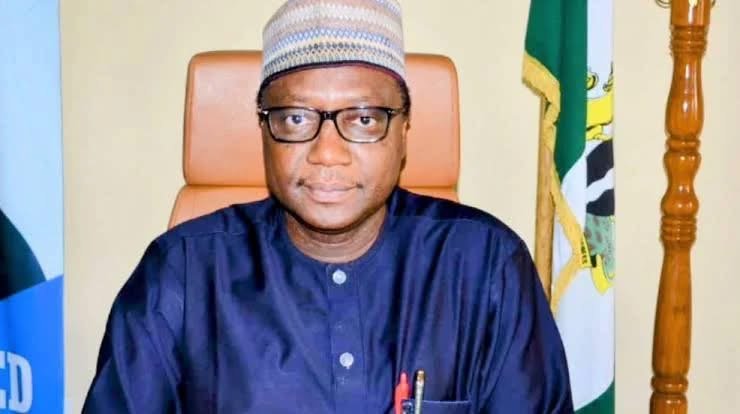
Nigeria’s electricity generation and transmission have risen above 5,000 megawatts in recent weeks, but the improvement has yet to translate into reliable power supply for many Nigerians, Minister of Power Joseph Tegbe has acknowledged.
Tegbe made the disclosure on Monday, September 21, 2026, in Abuja while presenting his scorecard for his first 100 days in office. He said the government’s immediate challenge was to sustain recent gains in generation and transmission and extend more dependable electricity supply to communities across the country.
The minister said operational records showed that generation and transmission had exceeded 5,000MW in recent weeks, compared with between 3,700MW and 4,700MW before June 2026.
Nigeria also recorded a generation peak of 5,330MW during August and September following interventions aimed at restoring damaged infrastructure and improving the performance of existing power assets.
However, Tegbe stressed that national generation figures alone do not necessarily reflect the experience of electricity consumers in individual communities.
“Our next task is to sustain these gains and translate them into more dependable supply at customer level,” the minister said, according to reports of his briefing.
Generation Gains Yet to Reach Many Consumers
The distinction between electricity generation and reliable electricity supply remains important in Nigeria’s power sector.
Higher generation capacity does not automatically mean that households and businesses will receive uninterrupted electricity. Power must also move through the transmission network and distribution systems before it reaches consumers.
Tegbe acknowledged this gap while outlining the government’s efforts to improve the electricity value chain.
The minister said the government had restored the 375MW Alaoji open-cycle power plant to the national grid after it had remained offline for about three years.
New transformers commissioned at Apapa, Ijora, Alausa and Lekki in Lagos have also unlocked 672MW of transmission capacity, while a 300-megavolt-ampere transformer energised at Katampe, Abuja, added another 240MW of transmission capacity.
The Transmission Company of Nigeria also secured the release of more than 300 containers containing critical power equipment that had been held at the ports.
The equipment is expected to be inspected and deployed as part of ongoing transmission infrastructure upgrades.
Solar and Mini-Grid Projects Expand Access
Beyond the national grid, the government is also relying on solar and mini-grid projects to expand electricity access in areas where conventional grid infrastructure remains limited.
Tegbe said 62 solar and mini-grid installations had been completed across 30 states.
According to the minister, the projects represent approximately 43.6MW of installed solar capacity and have created 41,735 new electricity connections, with an estimated beneficiary reach of more than 208,000 people.
Among the projects is a 3MW solar hybrid system commissioned at Yakubu Gowon University in Abuja.
Other projects highlighted by the minister include a 20MW off-grid initiative in Kogi State, a 3.5MW solar project in Kebbi State, a 5.5MW mini-grid in Epe, Lagos, and 39 mini-grids in Adamawa State with nearly 27MW of capacity.
The Yakubu Gowon University project is part of the Energising Education Programme and is intended to provide a more dependable electricity supply for teaching, research, digital services and other university operations.
Metering Remains a Major Challenge
The minister also identified electricity metering as a major component of the government’s efforts to improve accountability within the sector.
Tegbe said approximately 350,000 meters had been installed during his first 100 days in office, taking cumulative installations to more than one million as of August 2026.
He added that the resolution of the AMMON litigation had opened the way for the procurement of about 1.4 million additional smart meters under affected programmes.
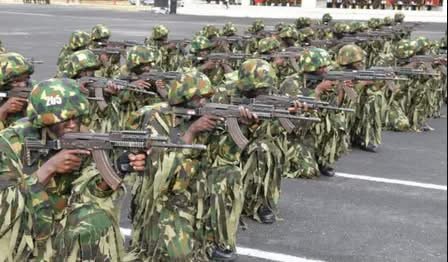
The government is also expanding metering in military formations, where about 90,000 installations have reportedly been recorded. In addition, 5,000 young Nigerians are undergoing training as smart-meter installers under the Power Force programme.
Metering is significant because accurate measurement of electricity consumption can reduce disputes over estimated billing and improve revenue collection across the electricity value chain.
Government Rules Out Immediate Tariff Increase
Tegbe also said the Federal Government has no immediate plan to increase electricity tariffs.
The clarification came amid reports and public discussion about a possible further increase in electricity costs.
The minister said the government’s focus was instead on improving electricity supply, strengthening infrastructure, expanding metering and addressing financial problems within the power sector.
The government has also raised an estimated ₦1.23 trillion towards addressing outstanding power-sector debts, as part of a broader programme targeting liabilities estimated at about ₦3.3 trillion.
According to Tegbe, improving liquidity within the sector is important because financially weakened operators may struggle to maintain infrastructure, pay suppliers and sustain electricity generation and distribution.
Transmission Infrastructure Remains a Priority
The Federal Government plans to focus further interventions on major transmission corridors, including Lagos, Enugu-Port Harcourt and Abuja-Kaduna-Kano.
Technical audits have already commenced along the Lagos and Abuja corridors to identify weaknesses and guide investments towards infrastructure interventions expected to have measurable system impact.
The ministry also plans to advance development of a proposed Transmission Super Grid as part of efforts to strengthen the national electricity network.
The government is simultaneously pursuing major projects under the Presidential Power Initiative.
Tegbe said engagements with Chinese companies had secured commitments to accelerate priority projects, including the 1.9-gigawatt initiative, with the first transmission lines expected to be delivered in the first quarter of 2027.
Why Reliable Electricity Remains Important
Nigeria’s electricity challenge extends beyond the amount of power generated.
For households, unreliable electricity can increase dependence on alternative sources of power. For businesses, interruptions can raise operating costs and affect productivity. Public institutions such as hospitals, schools and universities also require dependable electricity to maintain essential services.
This makes the government’s acknowledgement that higher generation has not yet translated into reliable supply particularly significant.
The latest figures indicate progress in some parts of the electricity value chain, but they do not by themselves establish that consumers nationwide are receiving consistent electricity.
Tegbe himself acknowledged that a national generation peak cannot fully describe the electricity experience of every community.
The government’s stated objective over the next phase is therefore to move from increased generation and repaired infrastructure towards measurable improvements at the customer level.
What Happens Next
The Ministry of Power is expected to focus on sustaining generation above recent levels, strengthening transmission corridors, deploying recovered equipment, expanding metering and improving the financial stability of the electricity market.
The government also intends to address problems including gas availability to power plants, electricity theft, vandalism and weaknesses in grid protection and control systems.
For Nigerian electricity consumers, the key measure will ultimately be whether these interventions result in longer, more predictable and more reliable electricity supply.
The minister said the government would work over the next six months to translate infrastructure repairs and ongoing reforms into more visible improvements in electricity delivery.
Weng Global – Stories beyond borders
Sources
- Federal Ministry of Information and National Orientation — transmission infrastructure projects and power-sector interventions.
- The Guardian — Tegbe’s first-100-days briefing and electricity-sector figures.
- Vanguard — electricity generation, transmission and reliability update.
- Channels Television — Federal Government’s power-sector update and Yakubu Gowon University solar project.