Reported by Simon Daniel Yusuph l Journalist at Weng Global
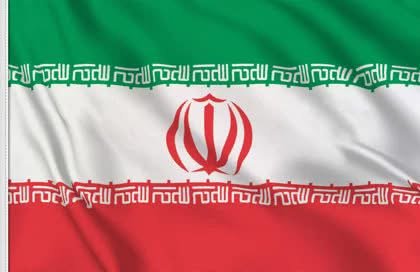
Iran is hosting senior officials from Saudi Arabia, Pakistan and Turkey in Tehran on Monday, October 26, 2026, for high-level discussions on regional security, as escalating tensions across the Middle East raise concerns about renewed confrontation involving Iran, Israel and the United States.
The meeting brings together Saudi Defence Minister Prince Khalid bin Salman, Pakistan’s military chief, Field Marshal Asim Munir, and Turkey’s intelligence chief, Ibrahim Kalin, with Iranian security officials. The discussions are expected to focus on regional stability, diplomatic engagement, developments in Palestine and Lebanon, and the consequences of the wider conflict involving Iran.
The talks are significant because Saudi Arabia, Pakistan and Turkey have recently strengthened their security cooperation through the Makkah Joint Defence Agreement. Their engagement with Tehran represents an attempt to address regional security challenges through dialogue, even as military tensions and attacks in neighbouring areas threaten to widen the crisis.
Iranian and Saudi officials have confirmed the planned engagement, which is being presented as part of broader efforts to reduce tensions and develop a regional approach to security.
Iran-Saudi Arabia-Pakistan-Turkey Talks Bring Regional Powers Together
Ali Bagheri Kani, deputy secretary of Iran’s Supreme National Security Council, confirmed that the visiting officials would participate in a joint meeting with Iranian security chief Mohsen Rezaei.
According to reports from Iranian state media and international news organisations, the delegation includes senior representatives from the three countries that signed the Makkah Joint Defence Agreement.
Saudi Arabia is represented by Prince Khalid bin Salman, Pakistan by Field Marshal Asim Munir, and Turkey by Ibrahim Kalin, the head of the country’s National Intelligence Organisation.
The meeting is intended to explore regional security cooperation and ways of reducing the risk of further escalation.
Bagheri Kani has described the engagement as a potential step towards establishing lasting regional security. He has also emphasised Iran’s position that regional countries should play a central role in managing their own security affairs.
Saudi Deputy Minister for Public Diplomacy Rayed Krimly also confirmed the visit, describing it as part of continuing efforts by the agreement’s members to encourage de-escalation and support diplomatic solutions.
The Saudi official indicated that the initiative was intended to reinforce regional stability and complement mediation efforts involving Qatar and Pakistan.
The discussions bring together countries with different political relationships with Iran but shared concerns about the consequences of prolonged instability across West Asia.
Their ability to reach common ground will depend on whether the meeting produces practical understandings that can be implemented beyond diplomatic declarations.
Why the Meeting Matters Amid Rising Regional Tensions
The talks are taking place at a sensitive moment for the Middle East.
Relations between Iran and the United States remain strained, while Israel’s confrontation with Iran has raised fears of another round of military escalation.
International reporting has described the region as facing renewed risks of wider conflict, with diplomatic efforts struggling to establish a durable settlement.
The situation also involves competing security concerns, including the protection of national territory, maritime routes, energy infrastructure and regional allies.
For Iran, the talks provide an opportunity to engage neighbouring and regional powers directly while reinforcing its argument that countries in the region should take the lead in addressing security challenges.
For Saudi Arabia, the meeting comes amid growing concerns about threats to its territory and infrastructure, including attacks attributed to Yemen’s Houthi movement.
Pakistan has positioned itself as an intermediary in efforts to reduce tensions between Washington and Tehran. Its participation gives the meeting a diplomatic dimension that extends beyond the immediate relationships among the four countries.
Turkey, meanwhile, has security and diplomatic interests across the Middle East and has sought to maintain a significant role in regional affairs.
Although the participants have different strategic priorities, they have a shared interest in preventing the conflict from spreading further and disrupting regional stability.
However, the presence of senior officials does not guarantee agreement. The talks will need to address differences over the sources of insecurity, the conduct of military operations and the arrangements required to prevent future confrontations.
Makkah Joint Defence Agreement Adds a New Security Dimension
One of the most important elements of the meeting is the participation of Saudi Arabia, Pakistan and Turkey as members of the Makkah Joint Defence Agreement.
The three countries signed the agreement in August 2026, establishing a framework for closer defence cooperation.
The pact provides that an armed attack against one member is to be treated as an attack against all, strengthening the collective-security dimension of their relationship.
Its provisions commit the participating countries to use necessary means to address threats to their territorial integrity, sovereignty and internationally recognised borders.
The agreement has raised the significance of security coordination among the three states at a time when the Middle East is experiencing multiple and interconnected conflicts.
Pakistan has approved the pact, while parliamentary ratification efforts in Turkey have been reported to be under way. The agreement’s implementation and the practical obligations of its members remain important issues to watch.
For Saudi Arabia, the arrangement offers a framework for closer cooperation with two countries that have substantial military and diplomatic capabilities.
For Pakistan, it creates an opportunity to strengthen security relations with important regional partners while maintaining its role in diplomatic engagement.
Turkey’s participation reflects its interest in regional defence coordination and in shaping responses to security developments affecting West Asia.
The agreement does not, by itself, resolve tensions with Iran or establish that the three countries will take a particular position in every regional dispute.
Nevertheless, it provides an additional institutional framework through which the countries can discuss threats and coordinate their responses.
The Tehran meeting is therefore important not only because of the immediate diplomatic situation but also because it tests how the three countries intend to balance their collective-defence commitments with engagement with Iran.
Saudi Arabia’s Security Concerns and Houthi Attacks
Saudi Arabia’s security concerns form an important part of the background to the talks.
The kingdom has faced escalating tensions involving Yemen’s Houthi movement, which is aligned with Iran. Recent Houthi attacks have increased pressure on Saudi security officials and raised concerns about the risk of a wider confrontation.
Saudi Arabia and the Houthis have been on opposing sides of Yemen’s prolonged conflict. Although a United Nations-brokered truce substantially reduced fighting for a period, renewed hostilities have threatened to undermine those gains.
The current escalation has broader implications because Saudi Arabia is an important regional power and a major oil producer.
Attacks affecting Saudi territory or energy infrastructure can create security risks that extend beyond the immediate conflict. They may also influence energy markets, shipping confidence and the calculations of countries that depend on stable supplies from the region.
Reuters reported on October 26 that the Houthis claimed to have attacked Saudi oil-pumping stations and King Khalid International Airport in Riyadh. Saudi authorities had not immediately confirmed the reported attacks at the time of that report.
The distinction between a claimed attack and an independently confirmed incident remains important. The extent of any damage and the precise circumstances of the reported incidents should not be treated as established without reliable confirmation.
The developments nevertheless illustrate the challenges confronting regional diplomacy. Even when governments pursue negotiations, military activity elsewhere can complicate efforts to build confidence.
For Saudi Arabia, engagement with Iran may provide an opportunity to discuss regional threats and the role of Iran-aligned groups.
Whether the talks will address specific arrangements concerning Yemen or the Houthis remains subject to official confirmation. The broader context, however, makes the security situation around Yemen an important consideration for the participants.
Pakistan’s Role as a Diplomatic Intermediary
Pakistan occupies a distinctive position in the current diplomatic effort.
The country maintains security relationships with Saudi Arabia and Turkey while also engaging directly with Iranian officials. Its participation in the Tehran meeting builds on previous contacts intended to reduce tensions between Iran and the United States.
Field Marshal Asim Munir’s recent visit to Tehran reportedly helped lay the groundwork for the current discussions.
Pakistan has also been involved in mediation efforts concerning Washington and Tehran. Such engagement has given Islamabad an opportunity to use its relationships with regional actors to support dialogue.
The challenge is considerable. Iran and the United States have significant disagreements over security, military operations and the terms of any possible settlement.
Pakistan cannot compel either side to accept an agreement. Its potential influence depends on whether it can maintain communication, help convey proposals and encourage negotiations that the parties consider worthwhile.
The presence of Saudi and Turkish officials adds another layer to Pakistan’s role. Instead of concentrating exclusively on the Iran-US relationship, the Tehran meeting provides a forum for discussing wider regional security concerns among neighbouring and influential states.
For Pakistan, reducing the risk of a broader conflict is also a matter of regional stability. Escalation could affect trade, energy supplies, diplomatic relations and security calculations across South Asia and the Middle East.
The outcome will depend on whether the participants can identify shared priorities and establish a process for continued consultation.
Turkey’s Participation and Regional Security Interests
Turkey’s involvement gives the discussions an additional diplomatic and intelligence dimension.
Ibrahim Kalin, head of Turkey’s National Intelligence Organisation, is expected to represent Ankara in the talks.
Turkey has strategic interests across West Asia, including developments in Syria, Iraq, Lebanon and the wider eastern Mediterranean. It also maintains relationships with Western countries while pursuing its own regional diplomatic and security objectives.
Its participation in the Makkah Joint Defence Agreement demonstrates a willingness to strengthen security cooperation with Saudi Arabia and Pakistan.
At the same time, engagement with Iran remains important because the two countries share regional concerns and have overlapping interests in some areas, despite significant policy differences in others.
The Tehran meeting offers an opportunity for Turkey to participate in discussions about the broader security environment and the possibility of reducing tensions.
However, Ankara’s presence should not automatically be interpreted as support for every position taken by Saudi Arabia, Pakistan or Iran. The countries have their own national interests, and their cooperation will depend on the specific issues under discussion.
The practical value of Turkey’s involvement will be clearer if the meeting produces agreed measures, sustained communication or a framework for future negotiations.
Palestine, Lebanon and the Wider Regional Crisis
The agenda extends beyond direct relations among Iran, Saudi Arabia, Pakistan and Turkey.
Iranian Foreign Ministry spokesperson Esmaeil Baghaei has identified developments in Palestine and Lebanon, as well as the consequences of US and Israeli military actions against Iran, as important subjects for discussion.
These issues are connected to the wider security environment because military confrontations in one part of the Middle East can affect diplomatic relations and security calculations elsewhere.
Palestine remains a central issue in regional politics, while Lebanon faces continuing security pressures associated with the wider confrontation involving Israel and Iran-aligned groups.
The situation also raises questions about civilian protection, the stability of neighbouring countries and the capacity of diplomatic initiatives to prevent further violence.
For the countries meeting in Tehran, discussing these developments may help identify areas where they share concerns, even if they disagree on the causes of the crisis or the most appropriate responses.
The participants could also examine how regional diplomacy might complement existing mediation efforts.
However, no final agreement or detailed outcome on Palestine, Lebanon or other conflict areas should be assumed before the participants announce the results of their discussions.
The significance of the agenda lies in its breadth: the countries are considering regional security as an interconnected challenge rather than an issue limited to one bilateral relationship.
The United States and the Prospect of Renewed Confrontation
The possibility of renewed hostilities between Iran, Israel and the United States is a major reason the talks are attracting international attention.
Diplomatic efforts to establish a durable settlement have faced significant obstacles, and recent military developments have intensified concerns about another escalation.
Previous mediation reportedly helped produce an interim arrangement in June, but that process subsequently unravelled as fighting resumed.
The collapse of earlier efforts illustrates the difficulty of translating temporary understandings into a lasting political settlement.
Any durable agreement would likely require the parties to address their security concerns, define acceptable limits on military action and establish credible mechanisms for managing disputes. The precise requirements would depend on the issues negotiated and the positions taken by the parties.
Iran has continued to reject what its officials describe as unacceptable demands from Washington, while US and Israeli positions have remained central to the wider confrontation.
The Tehran meeting does not directly replace negotiations between Iran and the United States. Instead, it creates an additional regional channel through which influential countries may seek to reduce the risk of escalation.
Saudi Arabia, Pakistan and Turkey could potentially help support communication and diplomatic initiatives, but their ability to influence the main parties will have limits.
The United States and Iran would still need to make their own decisions about whether to resume negotiations and what terms they would accept.
For that reason, the meeting should be viewed as a diplomatic initiative with potential significance, rather than evidence that a broader settlement is already within reach.
Implications for Global Energy Markets and Trade
Although the talks are taking place in West Asia, their consequences could extend to Africa and the wider global economy.
The Middle East is a major source of oil and gas supplies, and several of its maritime routes are critical to international trade.
The Strait of Hormuz, located between Iran and Oman, is particularly important to global energy transportation. Disruption to shipping through the strait can affect oil and gas deliveries, freight costs and market expectations.
The wider conflict has created uncertainty about maritime security and the movement of energy supplies. Any renewed confrontation involving Iran and the United States could intensify those concerns.
For African countries, developments in the Gulf can have direct economic consequences.
Many African economies import refined petroleum products and are vulnerable to changes in international energy prices. Higher transport and fuel costs can increase the price of goods, put pressure on household budgets and complicate efforts to control inflation.
Businesses that depend on imported fuel, fertilisers, industrial materials or international shipping may also face higher operating costs if regional instability disrupts trade.
The effects would vary by country, depending on domestic energy production, import dependence, exchange rates and government policies.
Nigeria, as a major oil-producing country, may experience different effects from countries that rely heavily on imported crude oil and refined products. However, oil production does not automatically insulate Nigerian consumers from global price movements, exchange-rate pressures or domestic supply challenges.
These are potential economic consequences of sustained regional instability, not proof that the Tehran meeting will immediately change fuel prices or shipping conditions.
A reduction in tensions could improve confidence in regional trade and energy transportation. A failure to contain the conflict could increase uncertainty.
That is one reason governments and businesses outside the Middle East are watching diplomatic efforts closely.
What the Meeting Could Mean for Regional Diplomacy
The immediate test for the Tehran talks will be whether the participants can move beyond statements of shared concern and identify practical steps to reduce tensions.
Possible areas for further cooperation include regular security consultations, communication channels between governments, diplomatic coordination and support for mediation initiatives. These are potential avenues for cooperation, not confirmed agreements arising from the current meeting.
The countries may also need to address differences over regional conflicts, the responsibilities of state and non-state actors, and the relationship between collective defence and diplomatic engagement.
The Makkah Joint Defence Agreement adds complexity because it commits Saudi Arabia, Pakistan and Turkey to closer cooperation on security threats. Their engagement with Iran will therefore be watched for indications of how they intend to combine their defence commitments with efforts to maintain regional stability.
Any meaningful outcome would require clarity about what has been agreed, who is responsible for implementing it and how progress will be assessed.
A statement expressing support for peace may be politically useful, but its practical value depends on whether it leads to sustained engagement or measurable changes in behaviour.
The same standard applies to any claims of progress in negotiations involving Iran and the United States. Diplomatic contacts can create opportunities, but they do not guarantee an agreement.
The meeting’s significance will become clearer when the participating governments release further details about the discussions and any follow-up arrangements.
What Happens Next?
The next developments to watch are official statements from Iran, Saudi Arabia, Pakistan and Turkey outlining the subjects discussed and whether the countries have agreed on further consultations.
Particular attention will be paid to whether the participants establish a continuing mechanism for regional security coordination, endorse specific de-escalation measures or announce additional diplomatic engagements.
Developments involving the United States and Iran will also be important. A resumption of direct or indirect negotiations could indicate that regional mediation efforts are creating space for further diplomacy, although any assessment would depend on the terms and progress of those contacts.
The security situation in Yemen and reports of attacks affecting Saudi Arabia will remain relevant. Further escalation could make diplomatic progress more difficult, while a reduction in hostilities could give regional governments more room to pursue political solutions.
The situation in Palestine and Lebanon will also influence the wider regional environment.
For now, the Tehran meeting represents a significant attempt by Iran and three influential regional powers to address shared security concerns at a time of heightened uncertainty.
Its ultimate importance will depend not simply on the seniority of the officials attending but on whether the talks produce credible steps towards reducing tensions and preventing further conflict.
For countries across Africa and the wider international community, the stakes extend beyond regional politics. Stability in the Middle East is closely linked to energy markets, international trade, shipping security and economic conditions.
The central question is whether diplomatic engagement can produce a more durable framework for regional security before renewed hostilities deepen the crisis.
Sources
- Iran’s Supreme National Security Council, through statements attributed to Deputy Secretary Ali Bagheri Kani and Iranian state media.
- Saudi officials, including Deputy Minister for Public Diplomacy Rayed Krimly.
- Iran’s Foreign Ministry, through comments attributed to spokesperson Esmaeil Baghaei.
- Reuters reporting on the planned Tehran meeting and regional security developments, October 26, 2026.
- Associated Press reporting on the regional delegations and efforts to prevent renewed fighting, October 26, 2026.
- Al Jazeera reporting on the Makkah Joint Defence Agreement countries and the Tehran talks, October 26, 2026.