Reported by Simon Daniel Yusuph l Journalist at Weng Global
The Edo State Government has intensified efforts to attract private-sector investment into its electricity industry as part of a broader strategy to increase power generation, strengthen electricity regulation and improve access to reliable electricity for households, businesses and industries across the state.
The initiative, driven by regulatory reforms, independent power projects and strategic partnerships with private investors, reflects the administration’s determination to develop a more competitive electricity market and reduce the state’s dependence on conventional electricity supply arrangements.
The development comes as Governor Monday Okpebholo marks two years in office, while the state’s Commissioner for Power, Paul Usenbo, completes his first year in the State Executive Council.
According to reports published by BusinessDay and THISDAY on November 10, 2026, the state government has introduced several policy and institutional changes designed to encourage investment, expand electricity infrastructure and improve the overall performance of the power sector.
The reforms include the establishment of a state-level electricity regulatory framework, licensing of private operators, investment in independent power generation, expansion of metering programmes and partnerships supporting renewable energy development.
Edo Government Strengthens Electricity Regulatory Framework
A major component of the government’s electricity reform agenda is the implementation of the Edo State Electricity Law 2024, which Governor Monday Okpebholo signed in February 2025.
The legislation provides the legal foundation for developing an electricity market regulated at the state level, creating opportunities for private companies to participate in electricity generation, transmission and distribution.
It also provides an institutional framework for regulating operators, issuing licences and establishing standards for electricity service delivery.
A central institution under the new arrangement is the Edo State Electricity Regulatory Commission (ESERC), which assumed responsibility for regulating the state’s intrastate electricity market following the transfer of regulatory oversight from the Nigerian Electricity Regulatory Commission (NERC).
The transition represents an important development in Nigeria’s evolving electricity sector, particularly following the Electricity Act 2023, which expanded opportunities for state governments to establish and regulate electricity markets within their territories.
Under the arrangement, Edo State can exercise greater regulatory oversight over electricity businesses operating within its jurisdiction.
The commission is expected to supervise licensed operators, promote transparency, enforce regulatory requirements and protect electricity consumers.
However, effective regulation will require adequate institutional capacity, transparent licensing procedures and consistent enforcement of electricity standards.
Twelve Companies Receive Electricity Licences
One of the developments emerging from the regulatory reforms is the licensing of 12 companies to participate in Edo State’s electricity market.
According to reports by BusinessDay and THISDAY, the licensed companies include CCETC Ogua Energy Limited, GTL Power Limited, IZ Energy, Etin Power Limited, Edo North Electricity Limited, Mid-Western Bulk Electricity Company Limited and Tetracore Power Company Limited.
Other companies identified include Victoria Power and Infrastructure, New Hampshire Capital Limited, Hydra Energy Solutions Limited, Nigeria Bottling Company Limited and Halimatu Musa Hospital Limited.
The licensing process is intended to encourage greater private-sector participation and create opportunities for investment across different segments of the electricity value chain.
In addition, the Edo State Electricity Regulatory Commission has granted BEDC Electricity Edo Limited a six-month provisional operating licence to operate within the state’s electricity market.
The provisional licence is subject to regulatory requirements covering compliance, transparency, accountability and consumer protection.
The development is significant because the participation of multiple electricity operators could create opportunities for competition, investment and improvements in service delivery.
Nevertheless, the issuance of licences alone does not guarantee additional electricity supply. The licensed companies must demonstrate their capacity to develop infrastructure, mobilise financing and deliver electricity services in accordance with regulatory requirements.
Government Acquires 10 Per Cent Stake in Proposed 100MW Power Plant
Another major development is Edo State’s planned participation in electricity generation through an equity investment in a proposed 100-megawatt independent power plant in Ologbo.
The state government has reportedly secured a 10 per cent equity stake in the project through an arrangement negotiated with CCETC and First Bank.
The investment represents a move towards direct government participation in electricity infrastructure while maintaining a role for private-sector financing and technical expertise.
The proposed power plant is expected to contribute additional generation capacity to support electricity demand from businesses, industries and other consumers.
The Ologbo development also includes plans for a liquefied natural gas facility with a proposed processing capacity of 300 tonnes per day.
Governor Okpebholo performed the groundbreaking ceremony for the LNG facility in February 2026.
The proposed facility is expected to strengthen the state’s energy infrastructure and support industrial activities that depend on a consistent supply of electricity and other energy resources.
However, the commercial and economic benefits of the projects will depend on successful construction, financing, commissioning and integration into appropriate electricity distribution arrangements.
Edo North Also Targets 200MW Independent Power Project
Beyond the Ologbo investment, the Edo State Government is pursuing a proposed 200MW independent power project in Edo North.
The project forms part of a broader strategy to expand electricity generation and improve access across the state’s three senatorial districts.
The government is also exploring distributed electricity generation and renewable energy investments to support communities and businesses that require alternative power arrangements.
Independent power projects can provide additional generation capacity and create opportunities for electricity supply arrangements tailored to local demand.
For Edo State, the proposed investments could support industrial development, commercial activities and the expansion of electricity access.
However, the government and prospective investors will need to address issues relating to project financing, fuel availability, transmission and distribution infrastructure, operational costs and regulatory compliance.
More Than 30,000 Electricity Meters Reportedly Deployed
Electricity metering and billing transparency also feature prominently in the state’s reform programme.
According to the reports, the Edo State Ministry of Power is implementing a mass metering initiative, with more than 30,000 electricity meters reportedly deployed.
Additionally, more than 38,000 meters were allocated to the state under the first phase of the free metering initiative.
The government is also pursuing the establishment of a meter assembly facility through a private-sector partnership.
The proposed facility is expected to strengthen local meter production capacity, improve availability and support the expansion of electricity metering across the state.
Another intervention is the debulking programme, which seeks to move communities away from bulk electricity billing arrangements towards individual customer accounts.
Under bulk billing arrangements, electricity charges may be shared across several households or customers within a community, creating concerns about fairness and accountability.
Moving towards individual metering could help consumers understand their actual electricity consumption and improve transparency in billing.
However, successful implementation will require adequate meter availability, proper installation, accurate billing systems and effective mechanisms for resolving consumer complaints.
Renewable Energy Projects Target Underserved Communities
The Edo State Government is also encouraging renewable energy investments as part of efforts to expand electricity access, particularly in communities and public institutions that may not receive adequate electricity from the conventional grid.
One of the projects highlighted is a 61-kilowatt-peak solar mini-grid commissioned by Okomu Oil Palm Company Plc in Gbelebu community.
The installation is supported by a 50-kilowatt inverter and a battery storage system with a capacity of 154 kilowatt-hours.
The project demonstrates how private-sector participation can support electricity access through decentralised energy infrastructure.
Another development involves RABUS Renewable Energies Limited, which commissioned a 3.5-kilowatt solar power system at the Irrua Specialist Teaching Hospital Annex in Igueben in July 2026.
The installation is expected to support electricity availability at the healthcare facility.
The ministry is also undertaking assessments in underserved communities to identify opportunities for additional renewable energy investments.
Solar mini-grids and other decentralised energy solutions can be particularly important in locations where extending conventional electricity infrastructure is expensive or difficult.
For communities, improved electricity access can support healthcare delivery, education, small businesses, agricultural processing and other economic activities.
However, the long-term success of these projects will depend on maintenance, equipment replacement, technical support and sustainable financing.
Government Links Electricity Development to Healthcare, Education and Transportation
Beyond power generation and distribution, the Edo State Ministry of Power is exploring ways to connect electricity development with other sectors of the state’s economy.
Through the P-HEART initiative, the ministry has partnered with the University of Benin and the National Centre for Energy and Environment.
The initiative seeks to connect energy development with healthcare, education, agriculture, rural development and transportation.
The approach recognises that electricity infrastructure is not only important for lighting homes and powering businesses but also for supporting essential public services and economic productivity.
The programme also includes plans for an electric mobility and tricycle manufacturing and assembly facility through proposed partnerships with investors from the United States and China.
The proposed facility is expected to encourage technology transfer, promote local manufacturing and create employment opportunities.
If successfully implemented, the initiative could connect electricity-sector development with emerging opportunities in cleaner transportation and industrial production.
However, the proposed manufacturing project will require substantial investment, technical capacity, appropriate infrastructure and a viable market for electric mobility products.
Edo’s Electricity Reforms Reflect Nigeria’s Changing Power Sector
Edo State’s electricity reforms are taking place against the background of wider changes in Nigeria’s electricity industry.
The Electricity Act 2023 introduced an important framework for decentralising electricity regulation and allowing states to establish electricity markets within their jurisdictions.
The reforms create opportunities for state governments to develop electricity arrangements that reflect local economic conditions and energy requirements.
For states such as Edo, the transition provides an opportunity to attract independent power producers, renewable energy companies and other private investors.
It also creates responsibilities for state regulators to ensure that electricity operators comply with licensing conditions, service standards and consumer protection requirements.
The transition, however, does not automatically resolve Nigeria’s longstanding electricity challenges.
Power generation, transmission infrastructure, distribution networks, financing constraints, metering gaps and electricity market liquidity remain important issues affecting the wider industry.
Consequently, Edo’s ability to translate its regulatory reforms into improved electricity services will depend on coordination between government institutions, investors, electricity operators and consumers.
Why the Development Matters to Residents and Businesses
Reliable electricity remains an important requirement for economic development.
For businesses operating in Edo State, improved electricity supply could reduce dependence on privately operated generators and help lower operational expenses.
Manufacturing companies, hospitals, educational institutions, hospitality businesses and small enterprises are among the organisations that could benefit from more dependable electricity.
Small businesses are particularly vulnerable to unreliable power because they often have limited financial capacity to absorb the cost of alternative electricity sources.
Improved electricity infrastructure could also support employment creation by encouraging companies to establish or expand operations within the state.
For households, the potential benefits include more consistent electricity access, improved billing transparency and greater opportunities for alternative energy supply.
The renewable energy projects could also help extend electricity services to communities that are underserved by the conventional grid.
Nevertheless, residents will ultimately judge the reforms by the quality, affordability and reliability of the electricity they receive rather than the number of licences issued or investment agreements announced.
Implementation Remains the Biggest Test
As Commissioner Paul Usenbo completes his first year in office and Governor Monday Okpebholo approaches his second anniversary, attention is increasingly shifting towards the implementation of the state’s electricity investment plans.
According to reports published on November 10, the ministry’s priorities include accelerating licensed electricity generation projects, expanding the mass metering programme, establishing the Edo State Meter Assembly Point and incorporating Edo State Power Holding Plc.
The proposed holding company is expected to manage the state’s equity interests in electricity investments and provide an institutional structure for overseeing its participation in the sector.
The next phase will require sustained engagement with private investors, effective regulatory supervision and transparent management of public investments.
The government will also need to ensure that electricity infrastructure projects are completed within reasonable timelines and that consumers receive measurable improvements in service delivery.
For prospective investors, regulatory certainty, predictable commercial arrangements and effective dispute-resolution mechanisms will remain important considerations.
For electricity consumers, the most important questions will concern supply reliability, electricity costs, metering accuracy and the responsiveness of service providers.
Edo State’s efforts to attract private investment represent an important step towards developing a more diversified electricity market.
However, the ultimate success of the initiative will depend on whether the proposed power plants, renewable energy installations, distribution investments and regulatory reforms translate into tangible improvements for residents and businesses.
The challenge for the state government is therefore to move beyond investment announcements and institutional reforms towards delivering dependable, accessible and affordable electricity across Edo State.
Image Description
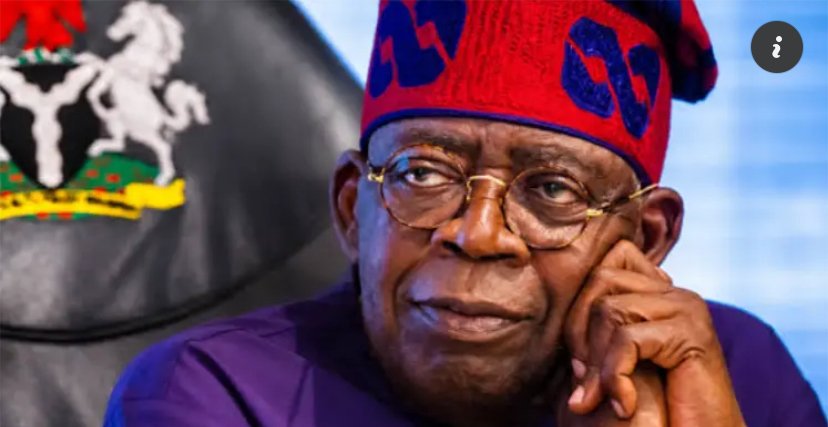
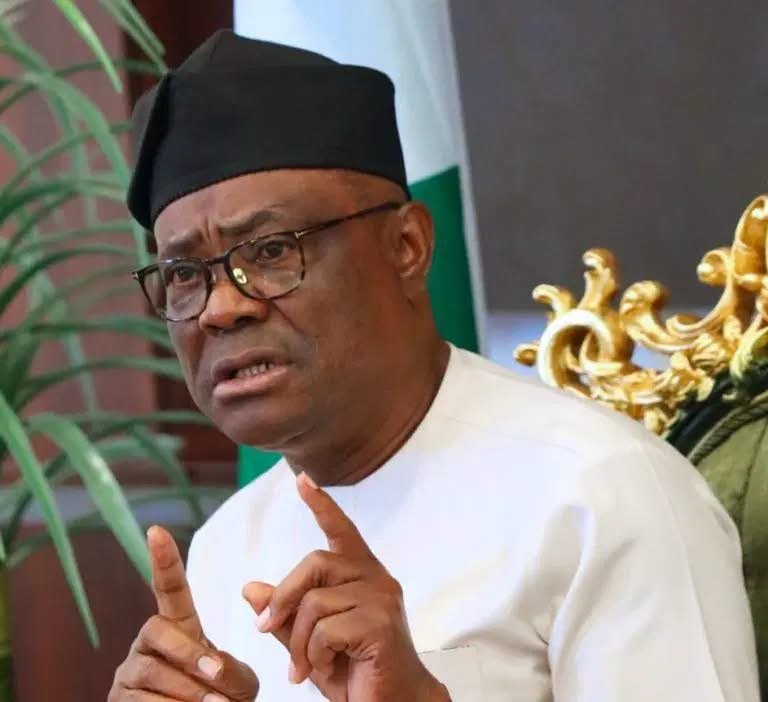
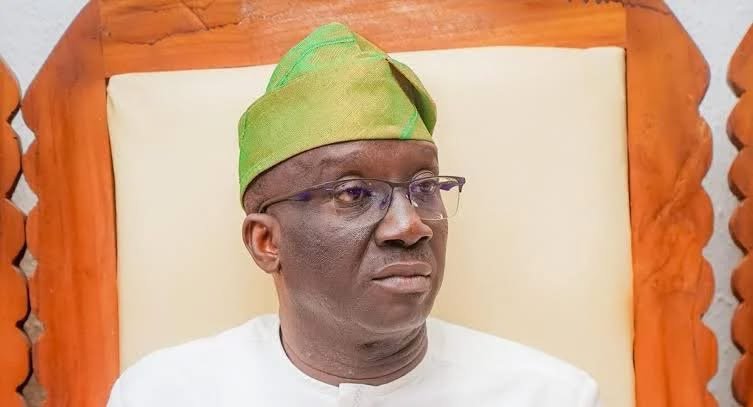
A photograph showing Edo State Governor Monday Okpebholo alongside officials of the state government during an electricity-sector investment or infrastructure engagement. The image should reflect the administration’s efforts to attract private investment and expand electricity generation in Edo State.
WENG GLOBAL – Stories beyond borders
Sources
- BusinessDay – Edo Deepens Electricity Reforms, Courts Private Investment as Okpebholo Clocks Two Years in Office, November 10, 2026.
- THISDAY – Edo Deepens Electricity Reforms, Courts Private Investment, November 10, 2026.
- BusinessDay – Edo Opens Electricity Market to Competition, Private Investment, September 23, 2026.
- Legal 500 – Nigeria Power Sector Updates, September 2026.
- Edo State Government – Public-Private Partnership Policy Document.