Reported by Weng Patrick Atokor l Journalist at Weng Global
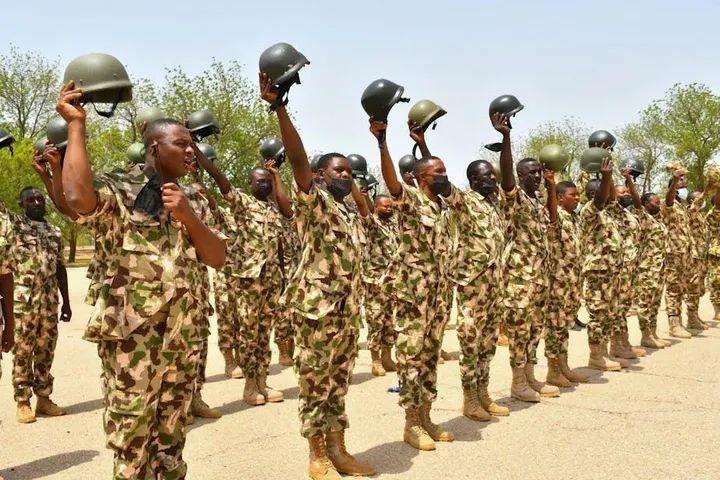
The General Officer Commanding (GOC), 2 Division of the Nigerian Army, Major General Auwalu Mahmuda, has directed troops deployed to newly established formations in Oyo and Osun states to maintain discipline, professionalism and proactive conduct as they begin their responsibilities.
Mahmuda gave the directive on Thursday, October 1, 2026, during an inspection visit to the newly established Headquarters 7 Brigade in Oyo town, Oyo State, and 137 Battalion in Ile-Ife, Osun State.
The visit was aimed at assessing the locations and operational readiness of the new formations, while ensuring that personnel settle into their respective areas and begin carrying out their constitutional responsibilities.
According to a statement by Lieutenant Colonel Danjuma Jonah Danjuma, Acting Deputy Director, 2 Division Army Public Relations, the GOC warned personnel against conduct capable of undermining the image and reputation of the Nigerian Army.
GOC warns against unprofessional conduct
Mahmuda urged the troops to remain disciplined, professional and proactive in the discharge of their duties.
He stressed that unprofessional conduct would not be tolerated and reminded personnel that the Chief of Army Staff, Lieutenant General Waidi Shaibu, expects exemplary standards from officers and soldiers.
The directive comes as the Nigerian Army continues to expand and reorganise its operational structure in response to evolving security challenges across the country.
The Army’s expanded structure includes new divisions, brigades and battalions intended to increase its operational presence and improve the speed with which troops can respond to security threats.
For personnel assigned to the new formations, Mahmuda’s emphasis on professional conduct places responsibility not only on their operational effectiveness but also on their relationship with the communities where they are deployed.
Army stresses civil-military relations
During the inspection, the GOC also called on troops to maintain strong and constructive relationships with their host communities.
Effective civil-military relations are particularly important for formations operating in communities where security agencies depend on cooperation and information from residents.
The Army said cooperation between troops and host communities would support the effective discharge of the soldiers’ responsibilities.
The emphasis on community relations also reflects the broader role of military formations in supporting security alongside other government and law-enforcement institutions.
In Ile-Ife, community leaders welcomed the establishment of 137 Battalion and expressed appreciation to the Nigerian Army for increasing its presence in the area.
The community leaders were led by Sooko Adegboyega Ogunwusi, Sooko Laukun of Ife, who commended the Chief of Army Staff and the GOC for the initiative, according to reports on the visit.
New formations linked to wider Army restructuring
The establishment of the new formations comes against the backdrop of a wider restructuring of the Nigerian Army.
In July 2026, the Army announced the appointment of new General Officers Commanding following approval for an expansion of the Army’s structure from eight to 12 divisions.
Under the new arrangement, 2 Division, headquartered in Ibadan, is responsible for Oyo, Osun, Ekiti and Ondo states. Major General Auwalu Mahmuda was appointed to command the division.
The restructuring was presented by the Army as part of efforts to improve command and control, expand its operational footprint and strengthen its ability to respond to emerging security threats.
The wider reorganisation also includes newly established divisions and additional brigades across different parts of Nigeria.
Channels Television reported in July that the new structure was designed to progressively achieve initial and then full operational capability, with the implementation taking place in phases.
The changes are significant for Oyo and Osun because the two states fall within the operational area of 2 Division under the revised command structure.
Welfare and operational commitment
Mahmuda also highlighted efforts by the Nigerian Army to improve the welfare of its personnel under the Chief of Army Staff’s “Soldiers First” concept.
He urged troops to reciprocate those efforts by remaining committed to their responsibilities and working to deny criminal elements freedom of action.
The welfare of military personnel has increasingly featured in discussions surrounding the Army’s efforts to expand its operational footprint, particularly as additional formations require personnel, accommodation, equipment, logistics and other support infrastructure.
The successful establishment of new formations therefore depends not only on troop deployment but also on the ability to provide the personnel with the resources required to operate effectively.
What the new formations mean for Oyo and Osun
The deployment of additional Army formations gives the military a more permanent operational presence in parts of Oyo and Osun.
The establishment of 137 Battalion in Ile-Ife, in particular, places a dedicated Army formation within a major urban and commercial centre in Osun State.
In Oyo State, the new Headquarters 7 Brigade in Oyo town forms part of the broader effort to strengthen the Army’s command and operational structure within the state.
The Army has previously conducted operations and security assessments in parts of Oyo State. In September, Mahmuda visited troop locations around the Old Oyo National Park and urged personnel to remain vigilant, disciplined and committed to their responsibilities.
The latest inspection indicates that the GOC is continuing to monitor the establishment and readiness of formations under his command.
Why professionalism matters
For newly established military formations, professional conduct is important because troops operate directly within civilian communities while exercising significant security responsibilities.
Maintaining discipline and respecting established procedures can affect public confidence in security institutions, particularly in areas where military personnel interact regularly with civilians.
The Army’s call for effective civil-military relations also places emphasis on cooperation rather than military presence alone.
Residents can play a role in supporting security agencies by providing credible information about emerging threats, while security personnel are expected to carry out their responsibilities within the law and established military procedures.
The directive from the GOC therefore combines operational readiness with expectations concerning discipline, community relations and the reputation of the Nigerian Army.
What happens next
The immediate priority for the newly established formations is to achieve a smooth operational take-off and ensure that personnel can effectively discharge their constitutional responsibilities.
The 2 Division command is expected to continue assessing the readiness of formations and units under its area of responsibility as the wider Army restructuring progresses.
For communities in Oyo and Osun, the effectiveness of the new formations will ultimately depend on operational preparedness, cooperation with other security agencies, constructive engagement with residents and the availability of adequate personnel and resources.
The Nigerian Army’s wider restructuring is also expected to continue as additional formations are progressively operationalised.
The developments in Oyo and Osun therefore form part of a broader national effort to expand the Army’s operational footprint while maintaining standards of discipline and professionalism among personnel.
Weng Global – Stories beyond borders
Sources
- Nigerian Army/2 Division statement, as reported by Voice of Nigeria and Radio Nigeria Ibadan.
- Tribune Online, report on the GOC’s inspection of the new formations in Oyo and Osun.
- Channels Television, report on the Nigerian Army’s expanded 12-division structure.
- Premium Times, report on the appointment of Major General Auwalu Mahmuda as GOC 2 Division.