Reported by Weng Patrick Atokor l Journalist at Weng Global
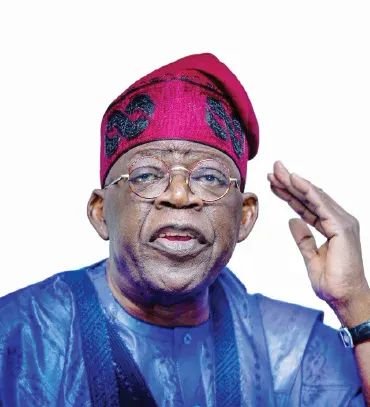
President Bola Ahmed Tinubu has defended his administration’s foreign exchange reforms, arguing that the Nigerian naira could have become virtually worthless if his government had not introduced changes to the country’s currency management system after taking office in May 2023.
Tinubu made the remarks on Friday, November 6, 2026, during an All Progressives Congress (APC) presidential campaign rally in Uyo, Akwa Ibom State, where he addressed criticism of the naira’s depreciation and the wider economic policies introduced by his administration.
The President maintained that Nigeria could have faced a more severe currency crisis without the decision to unify the country’s multiple foreign exchange rates, describing the intervention as necessary to prevent further deterioration of the naira.
Defending the currency’s performance, Tinubu referred to an exchange rate of approximately ₦1,300 to the US dollar, arguing that the naira retained some practical value despite the substantial depreciation experienced under his administration.
He suggested that without the reforms, Nigerians might have needed wheelbarrows to transport large quantities of banknotes when purchasing basic commodities.
Tinubu Explains Why His Government Introduced Forex Reforms
The President’s remarks centred on the foreign exchange policy introduced shortly after he assumed office in May 2023.
One of the administration’s major economic decisions was the unification of Nigeria’s multiple exchange rates, a move intended to reduce distortions in the foreign exchange market, improve transparency and make foreign currency more accessible through formal channels.
Before the reform, Nigeria operated different exchange rates across official and parallel market segments, creating significant differences in the prices at which foreign currencies could be obtained.
The government argued that the arrangement encouraged market distortions, weakened confidence in the foreign exchange system and created opportunities for arbitrage.
Tinubu’s administration subsequently moved towards a more market-driven exchange rate system, allowing the naira to adjust more directly to demand and supply conditions.
However, the transition was followed by significant depreciation of the Nigerian currency, placing additional pressure on businesses, importers and households that depend on imported goods and services.
The President has consistently maintained that the reforms were necessary to address longstanding structural weaknesses in the economy, even though their immediate consequences have been difficult for many Nigerians.
Naira Depreciation Remains a Major Economic Concern
Despite the President’s defence of the reforms, the naira’s depreciation and its impact on household purchasing power remain major concerns for Nigerians.
The currency experienced significant losses following the introduction of the foreign exchange changes in 2023. The adjustment increased the cost of importing goods, raw materials, machinery and other products priced in foreign currencies.
Businesses that depend heavily on imports faced higher operating expenses, while consumers experienced increases in the prices of essential commodities and services.
The depreciation also contributed to inflationary pressures, particularly in an economy where several sectors depend on imported inputs.
Although the naira subsequently recovered from some of its earlier losses, exchange rate stability has remained an important issue for investors, businesses and ordinary Nigerians.
In a separate economic assessment published on October 30, 2026, the State House reported that the official Nigerian Foreign Exchange Market (NFEM) rate stood at ₦1,333 per dollar as of October 9.
The Presidency also reported that Nigeria’s gross external reserves had reached $55.1 billion as of the same date, including approximately $46 billion in net reserves. These figures were presented by Tinubu as evidence of improvements in the country’s economic position. The State House, Abuja
Government Faces Questions Over the Impact of Economic Reforms
While the Tinubu administration has highlighted improvements in foreign exchange liquidity, government revenue and investor confidence, the extent to which these gains have translated into better living conditions remains a subject of public debate.
A July 2026 report by Reuters noted that the government planned to introduce a public scorecard to measure whether its economic reforms were improving living standards.
The proposed indicators include reductions in multidimensional poverty, growth in real income per capita and lower income inequality.
According to Reuters, the initiative was intended to address criticism that improvements in government revenue and foreign exchange liquidity had not yet provided sufficient relief to households struggling with food, transportation and other living expenses.
The report also cited an International Monetary Fund assessment indicating that 63 per cent of Nigeria’s population remained in poverty, while millions continued to face food insecurity. Reuters
The figures highlight the difference between improvements in macroeconomic indicators and the financial circumstances of individual households.
For many Nigerians, the most immediate measure of economic recovery is whether their incomes can cover food, housing, transportation, healthcare and education.
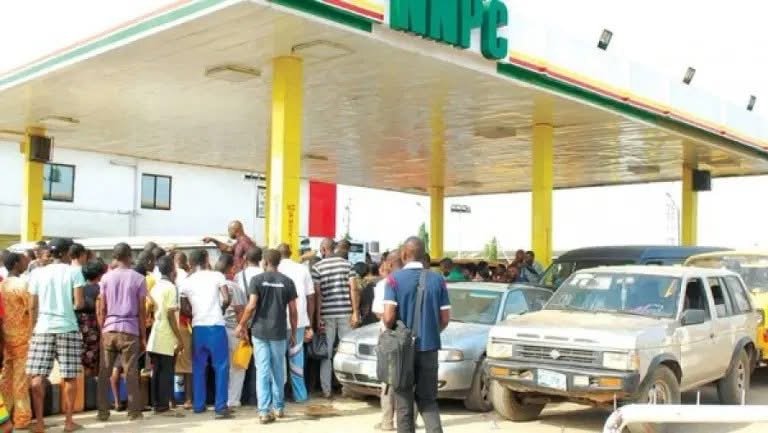
Fuel Subsidy Removal Adds to Economic Debate
The foreign exchange reforms are part of a broader economic restructuring programme that also includes the removal of petrol subsidies.
Tinubu announced the end of the petrol subsidy during his inauguration on May 29, 2023, arguing that the policy had become financially unsustainable.
The decision was followed by a substantial increase in petrol prices, transportation costs and the general cost of doing business.
The government has maintained that subsidy removal would free up public resources for infrastructure, social investment and other development priorities.
However, the financial benefits of the policy have also attracted questions about how the savings are being utilised.
In a July 30, 2026 report, Reuters quoted Finance Minister Taiwo Oyedele as saying that much of the savings from subsidy removal and foreign exchange reforms had been absorbed by higher debt-servicing costs and increased government expenditure.
The report also highlighted the government’s increased wage obligations following the adjustment of the national minimum wage and spending on education support programmes. Reuters
The development illustrates the fiscal challenges facing the administration as it attempts to balance economic restructuring with demands for improved public services and better living conditions.
Why Tinubu’s Remarks Matter
Tinubu’s comments are significant because the naira remains one of the most visible measures through which Nigerians assess the performance of his administration.
The currency’s purchasing power affects the prices of imported goods, fuel-related expenses, industrial production and the cost of essential commodities.
A weaker naira can also increase the amount businesses spend servicing foreign currency obligations, making financial planning more difficult for companies with international exposure.
For the government, maintaining confidence in the foreign exchange market is important for attracting investment, supporting trade and strengthening the country’s external financial position.
However, a stable exchange rate alone does not necessarily guarantee economic prosperity.
Sustained improvements in household incomes, employment opportunities, food affordability and industrial productivity will also be important in determining whether the reforms deliver meaningful benefits to Nigerians.
The President’s defence of the reforms therefore comes amid an ongoing debate over whether the economic adjustments have produced sufficient results to justify the hardship experienced by households and businesses.
What Happens Next?
The Tinubu administration is expected to continue implementing its economic reform programme, with particular attention to foreign exchange management, inflation control, government revenue and investment in infrastructure.
The government’s stated objective is to translate improvements in macroeconomic stability into broader economic opportunities and better living conditions.
The proposed poverty and income indicators could also provide a framework for measuring whether economic growth is reaching ordinary Nigerians.
As political activities ahead of the 2027 general election continue, the performance of the naira, the cost of living and the broader impact of the government’s economic policies are likely to remain important issues in the national debate.
For now, Tinubu maintains that his administration’s foreign exchange reforms prevented a potentially worse currency crisis. However, whether those measures have delivered sufficient improvements to the everyday lives of Nigerians remains a central question.
Weng Global – Stories beyond borders
Sources
- Peoples Gazette – Tinubu says naira would have become worthless without his policy — President’s remarks at the Akwa Ibom rally.
- The State House – From Reforms to Delivery: Our Infrastructure Investment and Growth Strategy — Official government economic indicators and foreign exchange figures.
- Reuters – Nigeria to track poverty, incomes as government seeks proof reforms are working — Economic reforms, poverty and household living conditions.
- Reuters – Nigeria says subsidy savings absorbed by debt costs, higher spending — Government expenditure and the financial impact of economic reforms.