Reported by Simon Daniel Yusuph l Journalist at Weng Global
Nigeria’s House of Representatives has passed the Electricity Act (Amendment) Bill, 2025, for second reading, advancing a legislative proposal to establish a National Authority for Renewable Energy (NARE) to coordinate, regulate and promote renewable energy development across the country.
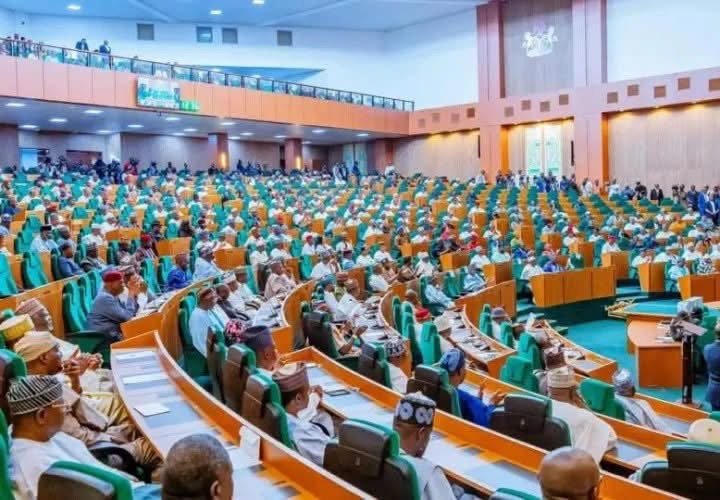
The bill, sponsored by Afam Victor Ogene, chairman of the House Committee on Renewable Energy and representative of Ogbaru Federal Constituency in Anambra State, was considered during plenary on Wednesday, October 14, 2026.
The proposed legislation seeks to create a dedicated institution responsible for renewable energy development, with the aim of improving coordination across the sector, expanding access to electricity through decentralised energy systems and encouraging investment in clean energy.
Under the proposal, the new authority would assume renewable energy functions currently handled by the Nigerian Electricity Regulatory Commission (NERC), the Rural Electrification Agency (REA) and the Rural Electrification Fund (REF).
The bill also proposes allocating 40 per cent of the Rural Electrification Fund’s annual resources to the proposed authority to finance renewable energy development.
However, the passage of the bill for second reading does not mean that the authority has been established. The proposal must undergo further legislative scrutiny and complete the required lawmaking process before it can become law.
What the Proposed Renewable Energy Authority Would Do
The central objective of the bill is to create a dedicated institution to oversee and promote the development and use of renewable energy in Nigeria.
Renewable energy comes from sources that are naturally replenished, including sunlight, wind and water. In Nigeria, solar power has particular relevance because it can supply electricity to homes, businesses, public facilities and communities that face unreliable grid connections or lack access to the national electricity network.
The proposed National Authority for Renewable Energy would be responsible for coordinating policies and activities relating to renewable energy development and utilisation.
According to the bill’s sponsor, bringing related responsibilities under one institution could reduce fragmentation and improve coordination among public agencies involved in the sector.
The proposal seeks to address the distribution of renewable energy responsibilities across existing institutions, which have different mandates covering electricity regulation, rural electrification and funding.
Under the proposed arrangement, NARE would take over specified renewable energy functions currently associated with NERC, REA and REF.
The proposal also envisages collaboration between the new authority and relevant institutions to harmonise policies and support implementation.
The precise division of responsibilities would depend on the final provisions approved by lawmakers and enacted into law. Until then, the existing legal and institutional framework remains in place.
Why Lawmakers Are Considering the Bill
Nigeria’s electricity sector faces persistent challenges involving access, reliability, infrastructure and the cost of obtaining dependable power.
Although the national grid supplies electricity to many parts of the country, grid-connected consumers continue to experience supply constraints, while some rural and remote communities remain underserved.
Renewable energy offers an alternative or complementary source of electricity, particularly in locations where extending conventional grid infrastructure may be difficult or expensive.
Solar mini-grids, standalone solar systems and other off-grid solutions can support households, businesses, schools, health facilities and agricultural activities.
However, expanding these systems requires more than installing equipment. It also depends on effective regulation, appropriate financing, technical standards, maintenance arrangements and the ability of energy providers to operate sustainably.
The bill’s supporters argue that a dedicated authority could help coordinate these requirements and give renewable energy development a more focused institutional structure.
The proposal is therefore concerned not only with promoting clean energy but also with determining which institutions should be responsible for guiding its expansion.
Its practical value would ultimately depend on the authority’s legal powers, funding arrangements, accountability mechanisms and relationship with existing electricity institutions.
Proposed Transfer of Functions From Existing Agencies
One of the most significant elements of the bill is its proposal to transfer specified renewable energy functions from existing institutions to the proposed authority.
The Nigerian Electricity Regulatory Commission regulates important aspects of Nigeria’s electricity industry under the existing legal framework. The Rural Electrification Agency works to expand electricity access, particularly in underserved and rural areas, while the Rural Electrification Fund supports eligible rural electrification initiatives.
The proposed legislation seeks to reorganise responsibilities related to renewable energy development and utilisation.
Its sponsor argued that consolidating these functions could improve coordination and accelerate the delivery of decentralised electricity solutions, including mini-grids and off-grid systems.
Nevertheless, transferring responsibilities between institutions would require careful implementation.
Lawmakers and relevant stakeholders would need to consider how existing projects, contracts, staff responsibilities, regulatory processes and funding commitments would be handled if the proposal becomes law.
The legislation would also need to provide clarity on how NARE would work with NERC and other electricity-sector institutions whose wider responsibilities extend beyond renewable energy.
Without clearly defined institutional boundaries, a new authority could face overlapping mandates or administrative disputes with existing agencies.
A successful framework would therefore need to establish which institution makes particular decisions, how agencies share information and how disputes over responsibilities are resolved.
Bill Proposes 40 Per Cent of Rural Electrification Fund Resources for NARE
The bill’s proposed funding arrangement is another important feature.
According to reports on the legislative debate, the proposal would allocate 40 per cent of the Rural Electrification Fund’s annual resources to the National Authority for Renewable Energy.
The allocation is intended to finance renewable energy development and support the authority’s proposed responsibilities.
Dedicated funding could help the institution plan programmes, support eligible projects and encourage wider deployment of renewable energy technologies.
However, the proposal also raises questions about how the remaining resources would be distributed among other rural electrification priorities.
The Rural Electrification Fund supports efforts to extend electricity access to underserved communities. Any change to its funding structure could therefore affect how available resources are divided among competing projects and programmes.
Lawmakers would need to consider whether the proposed allocation would provide sufficient resources for NARE without undermining other essential rural electrification activities.
They would also need to establish appropriate financial reporting, auditing and oversight arrangements to ensure that public funds are spent transparently and deliver measurable results.
The proposal’s effectiveness would depend on more than the percentage allocated. The authority would also need the capacity to select viable projects, monitor implementation and demonstrate that its spending improves access to electricity.
At this stage, the 40 per cent allocation remains a proposal within legislation under consideration, rather than an established funding arrangement.
Potential Impact on Rural Communities
If the bill becomes law and the new authority operates effectively, its work could have implications for communities with limited access to dependable electricity.
Rural electrification remains important for economic participation and access to basic services. Electricity can support health centres, schools, small businesses, agricultural processing, water supply and communications.
In communities where grid extension is difficult, renewable energy systems may provide a practical way to deliver power closer to users.
Mini-grids can serve groups of households and businesses, while standalone systems can supply individual homes or facilities. The suitability of each option depends on local demand, costs, available technology and the ability to maintain the equipment.
A dedicated authority could potentially help coordinate planning, investment and implementation across such projects.
However, the establishment of a new institution would not automatically deliver electricity to underserved communities.
Results would depend on the quality of its programmes, the availability of financing, the reliability of installed systems, the affordability of electricity and the ability of operators to maintain infrastructure over time.
Communities would also need opportunities to participate in decisions about projects that affect them. Energy systems are more likely to remain useful when they reflect local needs and include workable maintenance and payment arrangements.
The proposed authority would therefore need to demonstrate that its activities translate into improved electricity access rather than simply creating another layer of administration.
Renewable Energy Investment and Local Manufacturing
The bill’s sponsor also linked the proposal to attracting investment in local manufacturing and creating employment opportunities.
A more coordinated renewable energy framework could help businesses understand regulatory requirements and identify opportunities in the sector.
Potential areas of economic activity include the installation and maintenance of solar systems, electrical equipment distribution, mini-grid development, technical services and the assembly or manufacture of energy-related products.
Expanding these activities could create opportunities for technicians, engineers, installers, distributors and other workers.
However, investment decisions depend on several factors beyond the existence of a regulatory authority. These include policy stability, access to finance, import and manufacturing costs, infrastructure, consumer demand and confidence in the regulatory environment.
For local manufacturing to expand, businesses also need reliable supply chains, skilled workers and a market capable of supporting commercially sustainable production.
The proposed authority could contribute by clarifying renewable energy policy and coordinating sector development, provided that its mandate is clear and its operations are effective.
It would be premature, however, to treat the bill as a guarantee of new jobs or increased manufacturing. Those outcomes would depend on implementation and wider economic conditions.
The Relationship With Nigeria’s Electricity Framework
The proposal seeks to amend the Electricity Act, 2023, which provides a legal framework for the electricity sector.
The amendment would change the existing institutional arrangements for renewable energy by establishing NARE and assigning it specified responsibilities.
Because electricity regulation involves several institutions and levels of government, lawmakers will need to consider how the proposed authority would fit into the wider legal framework.
A key issue is how its responsibilities would interact with those of NERC and other agencies. The legislation would need to prevent confusion over licensing, compliance, technical standards and the supervision of renewable energy activities.
Coordination is particularly important where renewable energy projects connect to existing electricity networks or operate within a broader electricity market.
Clear rules would help investors and service providers understand their obligations and identify the authority responsible for particular decisions.
The legislative process also provides an opportunity to examine whether the proposed structure is the most effective way to achieve the bill’s objectives or whether improvements to existing institutions could address some of the same challenges.
The outcome will depend on the detailed provisions considered by lawmakers, not simply the stated intention to create a new authority.
Bill Moves to Further Legislative Scrutiny
Following the second-reading debate, the bill was referred to the relevant House committee for further legislative consideration.
At this stage, committee scrutiny is an important part of the process. Lawmakers can examine the proposal’s provisions, assess its financial implications and consider how the proposed authority would operate in practice.
Further consideration may also address the transfer of functions from existing agencies, the funding structure, governance arrangements and mechanisms for collaboration.
The bill must complete the required legislative stages before it can become law. The House’s passage of the proposal for second reading should therefore be understood as progress in the legislative process, not final approval of the new authority.
Any subsequent committee report, amendments or votes would help establish how the proposal develops.
Until the legislation is enacted and any required implementation arrangements are put in place, NARE remains a proposed institution.
What the Proposal Means for Nigeria’s Energy Future
The bill has opened a legislative discussion about how Nigeria should organise responsibility for renewable energy development.
Its central promise is improved coordination, supported by a dedicated authority and a proposed funding allocation. Its principal challenge will be ensuring that the new structure delivers practical improvements rather than creating overlapping responsibilities.
For households and businesses, the most important measure will be whether energy initiatives improve the availability, reliability and affordability of electricity.
For rural communities, the test will be whether projects reach underserved areas and continue operating after installation.
For investors, clarity about regulation, financing and institutional responsibilities will be essential. For government, transparent oversight and measurable results will be necessary to demonstrate that public resources are being used effectively.
The House of Representatives’ decision to advance the Electricity Act (Amendment) Bill, 2025, for second reading marks a step towards deciding whether Nigeria should establish a dedicated National Authority for Renewable Energy.
The next stage of legislative scrutiny will be crucial in determining the authority’s proposed powers, funding and relationship with existing institutions.
Until the bill completes the lawmaking process, the proposed authority and its funding arrangements remain subject to legislative consideration.
Weng Global – stories beyond borders
Sources
- National Assembly of Nigeria — legislative records on the proposed amendment to the Electricity Act, 2023.
- TheNiche — reporting on the bill’s passage for second reading and proposed functions of the National Authority for Renewable Energy.
- Legal Nigeria — reporting on the proposed authority and renewable energy investment objectives.
- Punch Newspapers — background reporting on the original proposal to establish a National Authority for Renewable Energy.
- 365Daily — reporting on the proposed allocation of 40 per cent of the Rural Electrification Fund’s annual resources.