Reported by Simon Daniel Yusuph l Journalist at Weng Global
The All Progressives Congress (APC) Presidential Campaign Council for President Bola Ahmed Tinubu’s 2027 re-election bid is visiting the Olubadan of Ibadanland, Oba Rashidi Ladoja, in Ibadan, Oyo State, as the ruling party intensifies preparations for the next presidential election.
The visit brings the party’s campaign activities into contact with one of the most influential traditional institutions in south-western Nigeria. Ibadan, the Oyo State capital, is a major political, commercial and cultural centre whose importance extends beyond the state.
The engagement comes as the APC moves to organise its national campaign machinery ahead of the 2027 general election. President Tinubu inaugurated the party’s Presidential Campaign Council in Abuja on October 14, 2026, signalling a new phase in preparations for his re-election campaign.
Although the visit to the Olubadan is a political engagement with a prominent traditional ruler, its precise agenda and the outcome of the meeting have not been independently confirmed. No verified details were available at the time of reporting on whether the discussion covered specific campaign commitments, development priorities or other matters concerning Ibadanland.
APC Steps Up Engagements Ahead of 2027
The visit forms part of a wider period of political mobilisation by the APC as it prepares to defend its position at the federal level in 2027.
The party has been building its campaign structure through consultations, stakeholder engagements and preparations for activities across the country. The Presidential Campaign Council is responsible for coordinating the ruling party’s national campaign and organising efforts to communicate the administration’s record and political agenda to voters.
President Tinubu formally inaugurated the council on October 14 in Abuja. During the ceremony, he called on members and party leaders to demonstrate unity, discipline and commitment as they work towards the election.
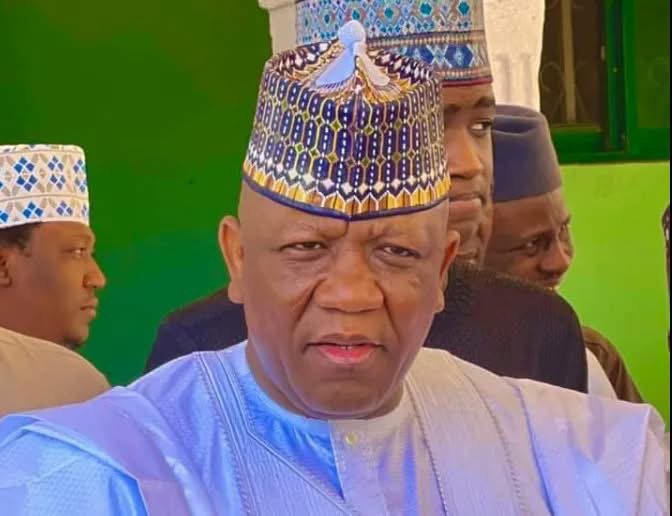
The council is led by Senator Abdul’aziz Abubakar Yari, a former governor of Zamfara State, as director-general. Governor Hope Uzodimma of Imo State serves as secretary of the council, according to the structure previously announced by the Presidency.
The campaign leadership faces the task of coordinating activities across Nigeria’s 36 states and the Federal Capital Territory while maintaining a consistent message among national, state and local party structures.
Visits to traditional institutions can provide opportunities for political leaders to meet influential community figures, discuss local concerns and demonstrate respect for established cultural authorities. However, such engagements should not automatically be interpreted as endorsements of a candidate.
The visit to Oba Ladoja should therefore be understood as a political engagement unless the participants issue a statement establishing a more specific outcome.
Why the Olubadan Institution Matters
The Olubadan is the traditional ruler of Ibadanland, an institution with deep roots in the history and social organisation of the city.
Ibadan developed into a major Yoruba settlement during the nineteenth century and grew into an important centre of commerce, administration and regional politics. Its population, economic activity and strategic location have helped make it a significant arena in Nigeria’s political life.
The Olubadan institution occupies an important place in the city’s traditional leadership structure. The monarch and other traditional leaders engage with community concerns, cultural affairs and social development, although traditional institutions operate within the constitutional framework of modern Nigerian government.
For political organisations, engagements with traditional rulers can offer an opportunity to hear local perspectives and understand concerns affecting communities. Such discussions may cover infrastructure, education, employment, security, healthcare, markets and the relationship between government and residents.
However, traditional rulers are not substitutes for voters, political parties or elected representatives. Their influence within communities does not necessarily translate into uniform political preferences among residents.
Ibadanland includes people with different political loyalties, economic interests and expectations of government. The views of the monarch should not be treated as representing the personal voting intentions of every resident.
For the APC, a visit to the Olubadan is one part of a broader effort to engage stakeholders as the party prepares for a competitive national election.
Oba Rashidi Ladoja’s Position in Ibadanland
Oba Rashidi Ladoja is a former governor of Oyo State who later became the Olubadan of Ibadanland.
His experience in both traditional leadership and elected public office gives him a prominent place in the political and social life of the state. His public career has included involvement in Oyo State politics, while his traditional position places him at the centre of Ibadanland’s cultural institution.
The combination of traditional authority and previous political experience makes engagements with the Olubadan significant occasions for political figures. Nevertheless, the nature of any meeting with a political delegation must be established through confirmed statements rather than assumptions based on the participants’ positions.
As of this report, no verified statement from Oba Ladoja or the APC Presidential Campaign Council detailing the discussions during the visit was available.
It is therefore unclear whether the engagement included specific requests, commitments or discussions about the 2027 election. Any claim that the monarch has endorsed President Tinubu’s re-election bid would require an explicit and verifiable statement.
The distinction matters because a courtesy visit, a discussion about public affairs and a formal political endorsement are different developments. Responsible reporting should not treat them as interchangeable.
The Political Importance of Oyo State
Oyo State is part of Nigeria’s south-west geopolitical zone, a region that plays an important role in presidential elections because of its population, political history and economic significance.
Ibadan is the state capital and one of the country’s major urban centres. Its political environment includes party organisations, elected officials, traditional institutions, civil society groups, professional associations, traders, students and other stakeholders.
For a presidential campaign, engagement in Oyo State can be important for building visibility, presenting policy positions and communicating with voters. But the success of such efforts depends on more than meetings with prominent individuals.
Voters make decisions based on a range of factors, including economic conditions, security, public services, employment prospects, infrastructure, leadership performance and the credibility of competing candidates.
The APC’s campaign will consequently need to communicate how the Tinubu administration’s policies have affected residents and what the party proposes to do during another term if re-elected.
The party will also face questions about the practical impact of its economic reforms, particularly from households and businesses dealing with the cost of living and other financial pressures.
A campaign visit can create an opportunity for dialogue, but it does not by itself establish that residents support the administration or that the party has secured an electoral advantage.
Campaigning and the Role of Traditional Institutions
Traditional institutions remain visible in Nigeria’s public life, particularly during major political events. Political leaders frequently visit royal palaces and other community institutions to pay homage, exchange views or seek opportunities for engagement.
Such visits can serve cultural, social and political purposes. They may provide a setting for discussing community priorities and encouraging communication between political officeholders and traditional authorities.
At the same time, the relationship between traditional institutions and electoral politics requires care. Traditional rulers have cultural responsibilities that extend beyond the interests of any single political party.
A visit by a campaign delegation does not necessarily mean that a monarch has adopted the party’s platform. Equally, receiving a political delegation should not automatically be interpreted as opposition to other parties.
For voters, the important questions are whether political engagement produces meaningful dialogue, whether public concerns are addressed and whether campaign promises can be assessed against measurable results.
The APC’s visit to the Olubadan will therefore be more informative if the participants disclose the issues discussed and any concrete actions that follow.
Without such details, the confirmed development remains the campaign council’s visit to the traditional ruler as preparations for the 2027 election gather pace.
Tinubu’s Campaign Council Begins Its Next Phase
The inauguration of the Presidential Campaign Council on October 14 marked a formal step in the APC’s preparations for the presidential election.
The council’s responsibilities include coordinating campaign activities, organising political engagement and communicating the party’s case to Nigerians. It must also align the work of its leadership with state-level and grassroots structures.
The campaign is expected to operate across a politically diverse country in which voters have different regional interests, economic circumstances and expectations of public leadership.
The APC has indicated that it intends to take its campaign to different parts of Nigeria. The party’s director-general, Senator Yari, previously announced plans for a campaign flag-off in Kaduna on October 24, 2026, according to reports by Channels Television.
The visit to the Olubadan comes against this backdrop of expanding campaign preparations. It places Ibadan among the locations receiving attention as the ruling party builds momentum towards the election.
However, the campaign council’s political activities should remain distinct from the daily responsibilities of government. Public resources, official institutions and government programmes must be handled in accordance with applicable laws and electoral rules.
The broader test for the campaign will be whether it presents a clear account of the administration’s record, responds to citizens’ concerns and offers proposals that voters can evaluate.
What the Visit Means for Voters
The engagement in Ibadan highlights the importance the APC appears to attach to consultations with prominent traditional institutions ahead of 2027.
For residents, the value of such a visit will depend partly on whether it creates space for meaningful discussion about issues affecting the city and its surrounding communities.
These may include urban infrastructure, transportation, access to healthcare, education, employment opportunities, security and the conditions facing small businesses. These are relevant public concerns, but there is no verified information confirming that they were specifically discussed during this visit.
The campaign council and the Olubadan’s palace would need to provide further details before any particular agreement or commitment could be reported.
The visit also offers a reminder that political support cannot be established solely through photographs, ceremonial receptions or meetings with influential figures. Electoral outcomes are determined by voters through the lawful electoral process.
As the 2027 election approaches, Nigerians will have opportunities to assess the performance of the incumbent administration and compare the proposals of competing political parties. Campaign engagements may contribute to that process when they provide substantive information and encourage public discussion.
For the APC, the task is to turn its national campaign structure into a credible programme of engagement with voters. For the public, the priority is to examine the evidence behind campaign claims and assess whether political promises address real needs.
What Happens Next?
Further information is needed to establish the full outcome of the APC Presidential Campaign Council’s visit to Oba Rashidi Ladoja.
A statement from the council or the Olubadan’s palace could clarify the purpose of the meeting, the issues discussed and whether any follow-up engagement was agreed upon.
Until such information becomes available, claims of a formal endorsement, a political agreement or specific campaign commitments should not be treated as confirmed.
The visit takes place as the APC organises its campaign activities for President Tinubu’s re-election bid. Its broader significance will depend on the nature of the discussions and whether they lead to clearly stated outcomes.
For now, the confirmed development is the reported engagement between the campaign council and the Olubadan of Ibadanland in the build-up to the 2027 presidential election.
Weng Global – stories beyond borders
Sources
- The State House, Abuja — announcement on the inauguration of the APC Presidential Campaign Council, October 14, 2026.
- APC Presidential Campaign Council — information on the council’s leadership and campaign activities.
- Channels Television — reporting on the APC’s planned presidential campaign flag-off in Kaduna.