Reported by Simon Daniel Yusuph l Journalist at Weng Global
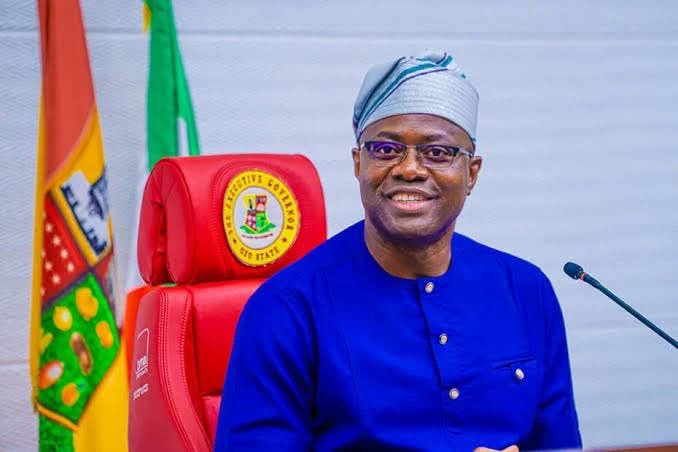
The All Progressives Congress (APC) in Oyo State has dismissed Governor Seyi Makinde’s recent media chat as a waste of time, arguing that the governor failed to adequately address key issues affecting residents and the state’s governance.
The criticism adds to the growing political exchanges between Makinde’s administration and the opposition APC ahead of the 2027 elections, with both sides increasingly challenging each other over governance, public spending, economic hardship and political leadership.
Makinde’s media engagement provided an opportunity for the governor to discuss his administration’s activities and political positions. However, the APC’s reaction suggests that the opposition considers the event inadequate in addressing the concerns it believes should be central to public debate in Oyo State.
The criticism comes as political parties intensify their preparations for the next electoral cycle and seek to influence public assessments of the outgoing governor’s record.
APC Questions the Value of Makinde’s Media Chat
The Oyo APC’s description of the media chat as a waste of time reflects its dissatisfaction with the issues discussed and the explanations offered by the governor.
For a media engagement involving a sitting governor, the central public-interest questions include the state of infrastructure, employment opportunities, security, education, healthcare, revenue management and the impact of government policies on household welfare.
Political opposition parties also have a responsibility to scrutinise government decisions, question the use of public funds and demand explanations where they believe official responses are inadequate.
However, describing a media engagement as unsuccessful is a political assessment rather than an independent determination of whether the governor answered questions or presented relevant information.
A comprehensive assessment would require examining the full media chat, identifying the questions raised, reviewing Makinde’s responses and comparing those responses with verifiable records of government performance.
The APC’s criticism therefore forms part of the political debate over the governor’s record, rather than serving as conclusive evidence that the issues raised during the engagement were not addressed.
Governance and Public Accountability in Focus
The dispute highlights the importance of accountability in the relationship between elected officials and citizens.
Governors control substantial public resources and make decisions affecting infrastructure, public services, economic development and security. Media engagements can provide an opportunity for them to explain their policies, defend their records and respond to criticism.
Such engagements are most useful when they provide clear information about government decisions, expenditure, completed projects, outstanding commitments and measurable outcomes.
For residents, the key issue is whether official explanations correspond with conditions on the ground.
In Oyo State, debates over infrastructure, public spending and the cost of living have featured prominently in exchanges between the government and opposition figures.
The APC has previously challenged Makinde’s administration over its management of public resources and the effect of government spending on residents.
In September 2026, the campaign organisation of APC governorship candidate Senator Sharafadeen Alli criticised Makinde over his comments on increased federal allocations and the persistence of hunger. The campaign organisation argued that greater revenue should translate into improvements in residents’ living conditions.
Makinde, in turn, had questioned whether increased allocations to state governments had sufficiently reduced hardship among Nigerians.
That disagreement illustrates the wider debate over fiscal responsibility: how governments should use available revenue, what results citizens should expect and how those results should be measured.
The latest criticism of the governor’s media chat adds another dimension to the contest over how the public evaluates his administration.
Political Tensions Rise Ahead of the 2027 Elections
The exchange takes place against the backdrop of preparations for the 2027 elections, when Oyo State’s political parties will seek public support for their candidates and programmes.
Makinde is approaching the end of his constitutionally permitted second consecutive term as governor. The forthcoming governorship election will therefore determine who succeeds him and sets the state’s policy direction after his departure from office.
The APC is seeking to strengthen its position in the state, with Alli emerging as its governorship candidate, while Makinde has become associated with the Allied Peoples Movement (APM) and its political plans for 2027.
The competing political interests have contributed to increasingly sharp exchanges over governance and the state’s future.
In this environment, public statements about government performance carry both accountability and electoral implications. Opposition parties want voters to scrutinise the incumbent’s record, while the governing administration has an interest in explaining its decisions and defending its achievements.
For voters, distinguishing political criticism from verifiable evidence is essential.
Claims about expenditure, project delivery, revenue management or public-service outcomes should be assessed against budget documents, official records, independent reporting and evidence of results.
Neither a government’s account of its achievements nor an opposition party’s criticism should be accepted without scrutiny.
Why the Dispute Matters to Oyo Residents
The disagreement over Makinde’s media chat matters because political debate should ultimately help residents understand the performance of their government and the alternatives being offered by opposition parties.
Oyo residents face practical questions about the quality of public infrastructure, access to healthcare and education, security, employment and the cost of essential goods and services.
They also have an interest in knowing how public revenue is collected and spent, which projects have been completed and what remains outstanding.
A media chat can contribute to public understanding when it provides specific answers supported by records. Opposition criticism can serve a similar purpose when it identifies gaps, supplies evidence and proposes realistic alternatives.
However, political exchanges become less useful when they rely primarily on dismissive language without presenting enough information for citizens to assess competing claims.
The APC’s criticism will be more informative to residents if the party identifies the particular questions it believes Makinde failed to answer and explains what evidence supports its position.
Similarly, the state government can strengthen public confidence by making relevant information on expenditure, projects and policy outcomes accessible and responding directly to substantive questions.
The broader issue is not whether a media chat pleased one political party or another. It is whether citizens received reliable information that enables them to judge the government’s performance.
The Importance of Evidence-Based Political Debate
Political accountability depends on more than public statements and press conferences. It requires verifiable information, clear explanations and meaningful opportunities for citizens to question those in authority.
Where an opposition party alleges that a governor has failed to address important issues, the public should be able to identify those issues and examine the evidence supporting the allegation.
Where a governor claims progress, the public should likewise be able to compare those claims with measurable results.
This approach is particularly important during an election cycle, when political actors may have incentives to emphasise information that supports their positions.
Responsible reporting must distinguish between a party’s assessment and independently established facts.
In this case, the APC’s description of the media chat as a waste of time represents its political position. A definitive assessment of whether the engagement adequately addressed the state’s challenges would require a detailed review of the full discussion and the issues raised.
The available reporting also does not establish that the APC’s criticism represents a consensus among residents or other political stakeholders.
What Happens Next?
The immediate political significance of the dispute will depend on whether the APC expands its criticism with specific examples and whether Makinde or his administration responds to the issues raised.
Further scrutiny of the governor’s record is likely as parties prepare for the 2027 elections, particularly around public spending, infrastructure, security and the state’s economic conditions.
For now, the exchange underscores the need for both the government and opposition to focus on evidence and issues that directly affect residents.
Oyo voters will ultimately assess the competing claims through their experiences, the information made available to them and the programmes presented by candidates seeking public office.
The central question remains whether the political debate will produce clearer answers about governance and practical proposals for improving lives in the state.
Weng Global – stories beyond borders
Sources
- Premium Times — reporting on the APC governorship campaign organisation’s criticism of Makinde over federal allocations and economic hardship.
- TheCable — reporting on the APC governorship campaign organisation’s comments about Makinde’s handling of increased federal allocations.
- The Oyo State Government — official responses to recent political allegations, as reported by established Nigerian media organisations.