Reported by Simon Daniel Yusuph l Journalist at Weng Global
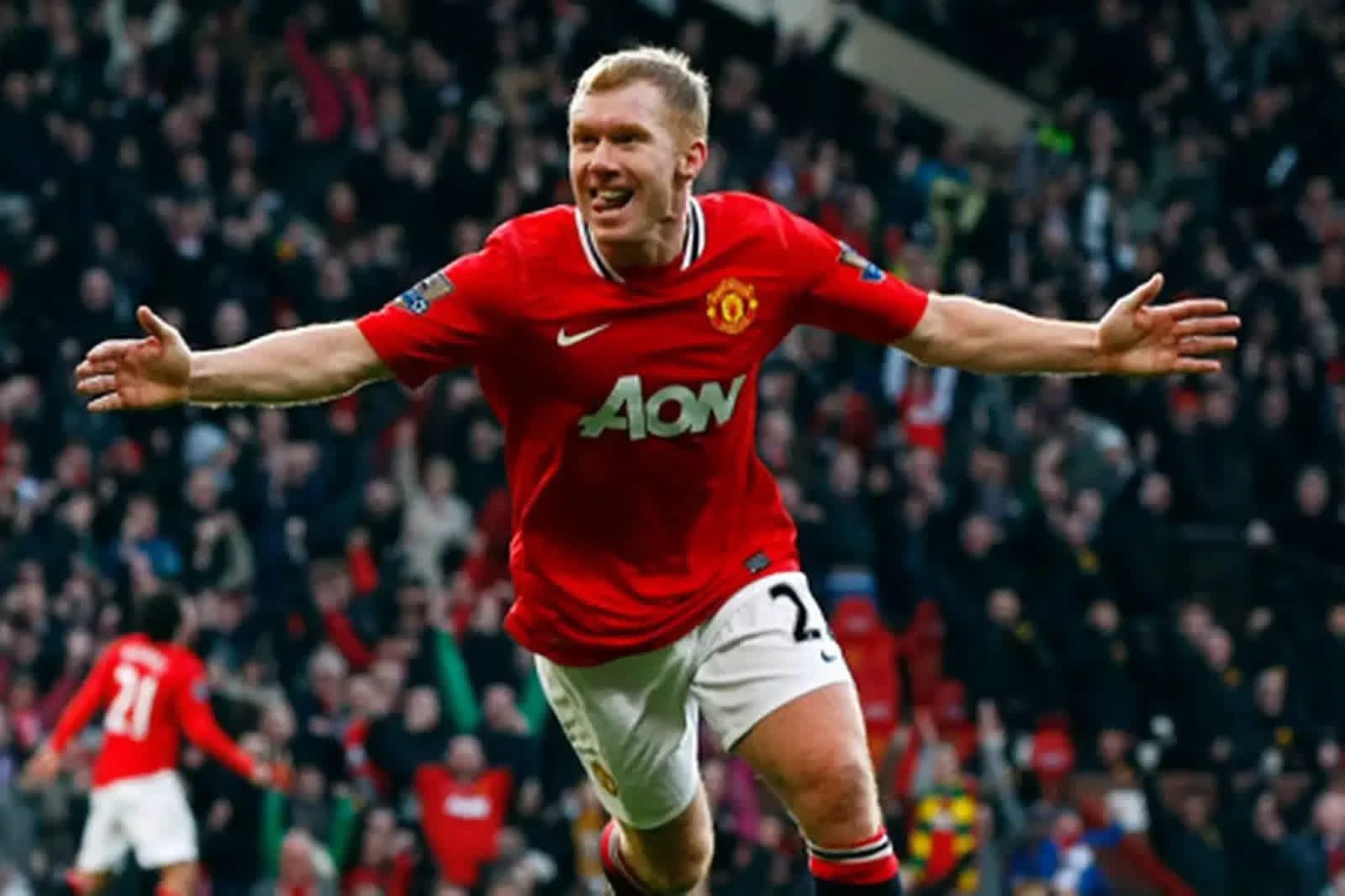
Former Manchester United midfielder Paul Scholes has said he wants to retain his medal amid the ongoing dispute over the potential removal of Manchester City’s Premier League titles following findings in the club’s financial case.
Scholes made the comments while discussing the case and possible sporting sanctions on The Good, The Bad and The Football podcast. His remarks come after reports that Manchester City were found to have committed financial rule breaches during a nine-season period and could face sanctions in a separate process.
The former England international was responding to debate over whether Premier League titles won by City during the period in question could be removed and whether clubs that finished second, including Manchester United, could subsequently receive the honours.
Scholes Rejects Retrospective Title Award
Scholes’ comments were more nuanced than simply calling for Manchester United to inherit Manchester City’s titles.
According to reports of the podcast discussion, Scholes questioned the precedent for removing trophies but acknowledged that sporting authorities have previously taken such action in other cases.
When the possibility of trophies being taken away was raised, Scholes pointed to Juventus as an example of a club that had previously been stripped of titles.
He also said that if wrongdoing had been established, there should be a serious sporting punishment.
However, Scholes made clear that he was not arguing that Manchester United should automatically receive the titles as runners-up.
He said he was not saying that he had won a medal, adding that there would still be something wrong with retrospectively claiming an honour for a season in which United had finished behind City.
That position is significant because United finished second to Manchester City in the 2011/12 and 2017/18 Premier League seasons, meaning any retrospective redistribution of titles from those campaigns could directly affect the club’s historical honours.
Why Scholes’ Medal Comment Matters
The issue has generated discussion among former Manchester United players because Scholes was part of the United squad during the 2011/12 campaign.
The Premier League’s official profile records Scholes as an 11-time Premier League winner with Manchester United, including the 2010/11 and 2012/13 campaigns.
The 2011/12 season was different. Manchester City won the championship, while Manchester United finished second after one of the closest title races in Premier League history.
The prospect of City being stripped of a title therefore raises a separate question from the issue of whether another club should automatically become the champion.
Scholes’ comments underline that distinction: punishment for a club found responsible for rule breaches does not necessarily mean that the original runners-up should be treated as having won the competition.
Manchester City Case Remains Subject to Further Proceedings
The debate follows reports concerning the Premier League’s long-running case against Manchester City.
The Premier League said in a statement that City had committed serious breaches during a nine-season period covering 2009/10 to 2017/18, according to current reporting. The question of sanctions is being handled separately.
Reports about the findings have prompted renewed discussion about possible sporting consequences.
However, the precise punishment remains a separate matter from the findings themselves.
Manchester City has maintained its position in the case and has indicated that it intends to challenge the outcome through the available process.
As a result, potential outcomes involving Premier League titles should not be presented as completed historical changes while the relevant proceedings and sanction process remain unresolved.
United Players Have Taken Different Positions
Scholes’ remarks have also been discussed alongside comments from former Manchester United teammate Wayne Rooney.
Rooney has previously indicated that he would not feel comfortable accepting a Premier League title retrospectively for finishing second, arguing that United had not done enough during the season to win the competition.
That position is different from simply arguing against sanctions for Manchester City.
Scholes similarly said that serious punishment should follow established wrongdoing but questioned the idea of presenting the runners-up with medals for competitions they did not win on the pitch.
Other former United players have expressed different views about the possibility of retrospective honours, illustrating the lack of a settled consensus among former players.
The 2011/12 Title Race
The 2011/12 Premier League campaign is central to the discussion because Manchester City and Manchester United finished level on 89 points, with City taking the title on goal difference.
The final day produced one of the most dramatic finishes in Premier League history.
City needed a victory against Queens Park Rangers to secure the championship and eventually scored twice in stoppage time to win 3-2.
United, meanwhile, defeated Sunderland 2-0 but could not overtake City.
Scholes had returned from retirement during the second half of that season and was part of the Manchester United squad.
The circumstances of that title race explain why the possibility of a retrospective award has generated particular interest among supporters.
Manchester City’s Honours Under Discussion
Manchester City has won multiple Premier League titles during the period covered by the financial case.
The club’s official honours record lists its Premier League championships among its major achievements.
The financial case, however, concerns specific alleged or established breaches over particular seasons rather than every trophy won by the club across its history.
This distinction matters when discussing potential sanctions.
Any decision on which competitions, seasons or honours could be affected would depend on the formal sanctions process and the relevant sporting regulations.
No Automatic Transfer of Titles
One of the central questions raised by the controversy is whether stripping a champion of a title necessarily means the runners-up become champions.
Scholes’ comments highlight that these are separate questions.
In sporting competitions, disciplinary sanctions can take different forms, including financial penalties, points deductions or other measures, depending on the applicable rules and the findings of the relevant authority.
Whether titles or medals can be retrospectively reassigned is a separate regulatory question.
Reports concerning the Manchester City case indicate that sanctions are to be addressed separately, meaning there is no basis at this stage for presenting a specific redistribution of Premier League titles as a completed outcome.
Scholes’ Manchester United Legacy
Scholes spent almost his entire professional career with Manchester United and became one of the club’s most decorated players.
The Premier League lists him among its Hall of Fame inductees and records 11 Premier League titles during his United career.
His honours include league championships across three decades, as well as FA Cup and UEFA Champions League success.
That history gives his comments particular relevance to supporters following the debate over Manchester City’s honours.
At the same time, his remarks are personal views on how any potential punishment should be interpreted rather than an official position on behalf of Manchester United or the Premier League.
What Happens Next
The immediate focus remains on the formal process surrounding sanctions in the Manchester City case.
The Premier League’s reported findings do not by themselves establish that Manchester United or any other runner-up has been awarded additional titles.
Any change to Manchester City’s honours or the allocation of medals would depend on decisions made through the relevant sporting and legal processes.
For Scholes, however, the issue is already clear at a personal level: he has indicated that he wants to keep his medal rather than claim a retrospective title based solely on Manchester City’s potential punishment.
The debate is therefore likely to continue until the authorities determine the consequences of the case and clarify how any sanctions would affect historical Premier League records.
Why It Matters
The dispute goes beyond the rivalry between Manchester City and Manchester United.
It raises broader questions about how sporting authorities should handle historical achievements when serious rule breaches are established after competitions have concluded.
It also highlights the difficulty of separating punishment from historical recognition.
For supporters, players and clubs, league titles represent achievements recorded on the pitch. For governing bodies, however, financial and sporting regulations exist to protect the integrity of competitions.
Scholes’ position captures that tension: he supports serious punishment where wrongdoing is established but does not regard finishing second as equivalent to winning the title.
The final consequences of the Manchester City case will therefore have implications not only for the club’s record but also for how Premier League authorities approach historical sanctions and sporting honours.
Weng Global — Stories beyond borders
Sources
- Premier League — Paul Scholes Hall of Fame profile.
- Manchester City — official club honours records.
- Vanguard — report on Paul Scholes’ comments concerning Manchester City’s titles and medals.
- Football365 — report on Scholes’ comments and the Manchester City financial case.
- The Good, The Bad and The Football — podcast discussion referenced in reporting on Scholes’ remarks.