Reported by Simon Daniel Yusuph l Journalist at Weng Global
The Democratic and Leadership Alliance (DLA) has criticised the Federal Government over what it described as persistent under-implementation of approved budgets, after the National Assembly approved another extension of the implementation period for the capital component of the 2025 Appropriation Act.
The latest legislative decision moves the deadline for implementing eligible capital projects under the 2025 budget from September 30 to December 31, 2026, giving Ministries, Departments and Agencies (MDAs) an additional three months to execute projects and utilise funds already appropriated.
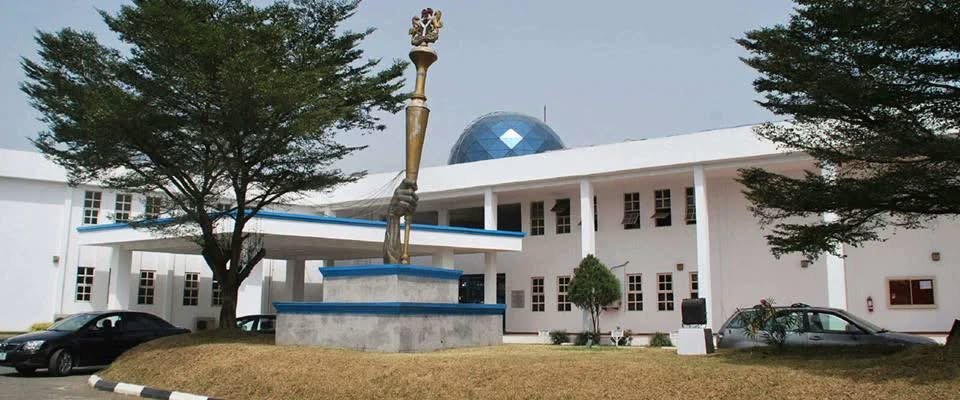
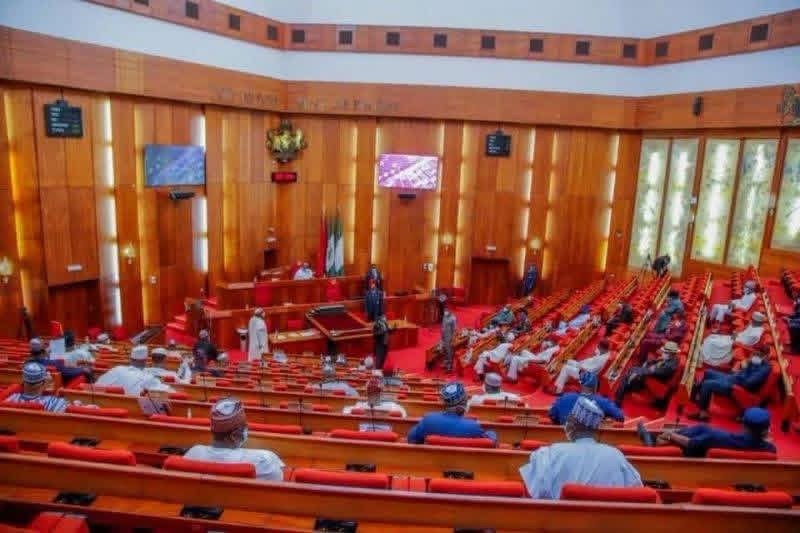
The Senate and House of Representatives approved the extension on September 29, 2026, after considering separate bills seeking amendments to the 2025 Appropriation Act.
The House considered a bill sponsored by Majority Leader Julius Ihonvbere, while the Senate considered a measure sponsored by Senate Leader Opeyemi Bamidele. Both chambers approved the extension of the capital implementation period to December 31.
However, the DLA had raised concerns about repeated budget extensions several weeks before the latest parliamentary decision.
In a statement issued on September 1 and signed by its National Campaign Council Head of Media and Publicity, Dr Tosin Odeyemi, the political organisation accused the Federal Government of failing to adequately implement approved budgets and questioned the relationship between government revenue, appropriations and actual project delivery.
DLA Questions Repeated Budget Extensions
The DLA said repeated extensions of budget implementation periods raised concerns about fiscal discipline, legislative oversight and the ability of government agencies to execute programmes within the financial years for which funds were appropriated.
According to the party, the implementation of the 2024 budget extended into 2025, while the 2025 budget was subsequently carried into 2026.
The organisation argued that continuing to extend budget implementation periods could make it more difficult for citizens to track public expenditure and assess whether government agencies had delivered the projects and programmes approved by lawmakers.
The DLA also called for greater scrutiny of federal spending and questioned whether increasing government revenues were translating into corresponding improvements in infrastructure and living conditions.
Its position was presented as a demand for greater transparency and independent scrutiny rather than as an established finding that funds had been improperly managed.
The party’s claims about the level of budget implementation and government revenue remain allegations made by the DLA and should therefore be distinguished from independently verified budget-performance data.
National Assembly Approves Another Three Months
The latest extension follows several earlier changes to the implementation deadline of the 2025 capital budget.
The original implementation period was scheduled to end on December 31, 2025. The National Assembly subsequently extended the period to March 31, 2026, then to June 30 and later to September 30.
The latest decision represents another three-month extension, taking the deadline to December 31, 2026.
The House of Representatives said the latest extension was necessary because economic pressures and other factors had made it difficult to complete the implementation of the capital component within the existing timeframe.
During debate on the House bill, Ihonvbere said lawmakers wanted to prevent the expiration of the implementation period from becoming a reason for unfinished capital projects.
The Senate gave a similar explanation.
Bamidele said capital projects under the 2025 budget had not reached the desired level of implementation despite funds having been released to MDAs, arguing that additional time was necessary for government agencies to complete ongoing projects and utilise appropriated funds.
The measure passed through the legislative process in both chambers, with the Senate considering its bill clause by clause before approving it.
The Extension Concerns Capital Spending
An important distinction in the latest decision is that the extension concerns the capital component of the 2025 Appropriation Act.
It does not mean that every aspect of the 2025 federal budget has simply been extended wholesale.
The additional implementation period is intended to allow government agencies to continue work on eligible capital projects contained in the 2025 appropriation and utilise funds provided for those projects.
The National Assembly’s action therefore affects the timeline for capital expenditure, including projects that were appropriated for but had not been fully implemented within the earlier deadline.
This distinction is significant because capital expenditure generally covers government investment in infrastructure and other development projects, while recurrent expenditure covers ongoing obligations such as personnel and operational costs.
For ordinary Nigerians, the practical significance of the extension is that projects captured under the 2025 capital budget can continue to receive implementation attention beyond the September 30 deadline, subject to the applicable legal and financial requirements.
DLA Raises Broader Accountability Questions
The DLA’s September 1 statement went beyond the issue of budget extensions.
Odeyemi alleged that none of the capital budgets under President Bola Tinubu’s administration since 2023 had achieved 30 per cent implementation and claimed that implementation of the 2025 budget was below 10 per cent.
Those figures were presented by the DLA as part of its criticism of the administration and have not been independently established by the sources reviewed for this report.
The DLA also questioned the handling of payments to contractors involved in government projects.
It raised concerns about contractors who, according to the organisation, were still seeking payment for projects they had completed, and questioned how government revenues were being allocated to approved projects.
The organisation also linked its criticism to revenue collection, arguing that increased government income should be accompanied by visible improvements in public services and infrastructure.
These arguments form part of the DLA’s political position and should be distinguished from official government budget-performance assessments.
The Budget Office of the Federation maintains official budget documents and implementation reports, including the 2025 Appropriation Act and quarterly budget implementation materials.
Government’s Position on the Extensions
The justification offered by lawmakers for the repeated extensions has centred on the need to complete ongoing capital projects and prevent appropriated funds from becoming unusable simply because an implementation deadline has expired.
The House said economic difficulties and other factors had affected the execution of capital projects, while the Senate said implementation had not reached the desired level despite releases to MDAs.
The extension can therefore be viewed from two different perspectives.
From the government’s and National Assembly’s stated position, the additional time is intended to protect ongoing projects from being disrupted by the expiration of the budget implementation window.
From the DLA’s perspective, repeated extensions point to broader concerns about planning, implementation and accountability.
Neither interpretation by itself establishes whether individual projects or the wider budget have been properly or improperly managed. That assessment requires examination of official budget releases, project-level implementation records, payments, procurement documents and independent audits.
A Pattern of Overlapping Budget Implementation
The latest extension also highlights the continuing challenge of aligning Nigeria’s annual budget cycle with the actual implementation of capital projects.
The 2025 budget has now been carried into the final months of 2026 for capital implementation.
This creates an overlap with the 2026 budget and illustrates the difficulty of completing annual capital programmes within a single fiscal cycle.
The issue has broader implications for budget planning because delayed implementation can affect project completion, government procurement schedules, contractor payments and the ability of citizens to assess whether public commitments have been fulfilled.
The National Assembly has previously justified extensions as necessary to allow ongoing projects to be completed and outstanding obligations addressed.
At the same time, repeated extensions can make it harder for citizens and oversight institutions to determine which projects belong to which budget year and when the government was expected to complete them.
For lawmakers, auditors and civil society organisations, the challenge is therefore not only whether more time is available but whether the additional period produces measurable improvements in project execution.
What the Extension Means for Nigerians
For citizens, the key question will be whether the additional three months result in the completion of projects that were already approved under the 2025 capital budget.
The extension could provide government agencies with additional time to continue ongoing infrastructure projects and meet outstanding implementation obligations.
However, the existence of an extended deadline does not by itself guarantee that projects will be completed.
Actual outcomes will depend on the availability and release of funds, procurement processes, contractor performance, project supervision, agency capacity and effective oversight.
Citizens will also need access to reliable information on how much has been appropriated, how much has been released, how much has been spent and what physical progress has been achieved on individual projects.
That information is essential to determining whether the additional implementation period delivers value or simply postpones the same challenges.
What Happens Next
With both chambers having approved the extension, the legislative process must proceed in accordance with Nigeria’s constitutional framework before the amended measure becomes effective as law.
Reports on the Senate’s passage specifically note that the extension is subject to presidential assent.
If the amendment becomes law, MDAs will have until December 31, 2026, to continue implementing eligible capital projects under the 2025 Appropriation Act.
The additional period will also provide another opportunity for government agencies and legislative oversight bodies to demonstrate whether delayed projects can be brought closer to completion.
For the DLA, the latest extension reinforces its broader argument that the government should provide greater transparency around budget implementation and public revenue.
For the Federal Government and National Assembly, the immediate task will be to ensure that the extra time translates into actual project delivery and does not simply become another extension of an unfinished budget cycle.
Ultimately, the significance of the latest decision will be measured not by the additional months granted but by what is delivered during those months.
Nigeria’s budget process is intended to translate public resources into approved programmes and projects. The central issue for citizens, therefore, remains straightforward: how much of the money appropriated will ultimately become completed roads, schools, hospitals, security infrastructure and other public assets?
The answer will depend on the implementation records produced during the extended period and the scrutiny applied by the National Assembly, auditors, civil society organisations, the media and the public.
Weng Global – stories beyond borders
Sources
- Budget Office of the Federation
- Premium Times
- Punch
- The Guardian Nigeria
- ThisTimes Nigeria
- Independent Newspaper Nigeria