Reported by Simon Daniel Yusuph l Journalist at Weng Global
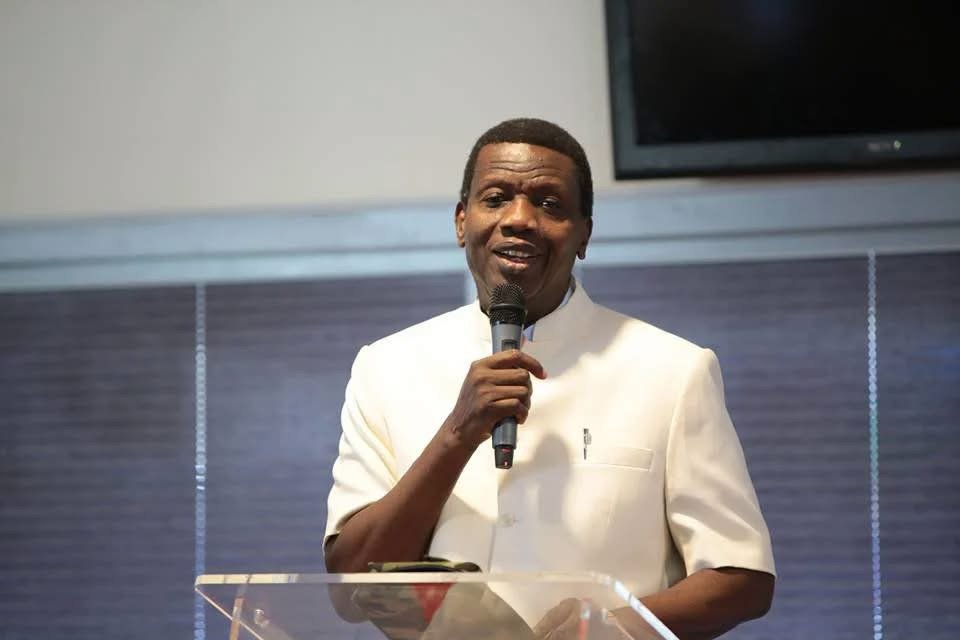
Pastor Enoch Adeboye, General Overseer of the Redeemed Christian Church of God (RCCG), has welcomed the first batch of Nigerians repatriated from South Africa under a church-funded humanitarian intervention aimed at helping distressed citizens return home.
The first group arrived at the Murtala Muhammed International Airport in Lagos on Thursday night from Johannesburg, marking the beginning of an initiative through which the RCCG is funding air transportation for about 500 Nigerians seeking to leave South Africa.
Reports from Nigerian media put the size of the first batch at around 100 returnees, while another report gave a figure of 107. Weng Global therefore does not independently confirm the 105 figure stated in the supplied material.
RCCG Funds Repatriation of 500 Nigerians
The humanitarian intervention was approved by Adeboye after an appeal from the Nigerian diplomatic mission in South Africa concerning Nigerians who needed assistance to return to the country.
Pastor Belemina Obunge, Chairman of the RCCG Task Force for the Reception of Nigerian Returnees from South Africa, said the church’s intervention covers the cost of transporting the affected Nigerians from Johannesburg to Lagos.
He said the first arrival represented the commencement of the programme, with further batches expected as documentation, screening and other necessary procedures are completed.
The returnees were reportedly profiled and documented by the Nigerian High Commission in South Africa and relevant South African authorities before their departure.
Officials from the National Emergency Management Agency (NEMA), the National Commission for Refugees, Migrants and Internally Displaced Persons and other government agencies received the returnees in Lagos.
Following their arrival, the returnees underwent profiling to facilitate their onward movement to their respective states.
Returnees Selected Without Religious Discrimination
The RCCG said the beneficiaries were not selected based on membership of the church.
Obunge stressed that the intervention was humanitarian in nature and included Nigerians of different religious backgrounds.
The church’s position is significant because the programme is being implemented by a faith-based organisation but is directed at Nigerians facing difficulties abroad rather than exclusively at RCCG members.
The church is providing the funding for the chartered air transportation, while relevant government agencies are handling reception, profiling and onward movement.
RCCG representatives have also been involved in providing support to the returnees during the process.
Government Evacuation Efforts
The RCCG intervention comes against the backdrop of a wider Nigerian government effort to evacuate citizens from South Africa amid renewed concerns over xenophobic and Afrophobic attacks.
In September, the Federal Ministry of Foreign Affairs disclosed that the RCCG had donated $265,854 to support the purchase of 500 one-way air tickets for distressed Nigerians seeking to return home.
The ministry said the donation would complement the government’s ongoing evacuation programme, which began on June 10, 2026.
According to figures released by the ministry, 1,640 Nigerians had been brought back to Nigeria by early September. The government had funded the return of 1,385 people, while philanthropic contributions supported the evacuation of another 255 Nigerians.
The ministry also said 202 Nigerians were awaiting final screening by South Africa’s Department of Home Affairs before they could be evacuated.
Why the Repatriation Matters
The latest arrivals highlight the continuing concerns among some Nigerians living in South Africa over personal safety and the impact of xenophobic violence.
In May, the Nigerian Union South Africa and the Nigerian Citizens Association South Africa said at least 105 Nigerians had been killed in South Africa over a seven-year period. The figure was presented by the organisations in the context of recurring xenophobic violence and other forms of violence affecting migrants.
That figure is a claim from Nigerian community organisations and should not be treated as an independently verified official death toll.
The wider dispute over the safety of foreign nationals has contributed to diplomatic concerns between Nigeria and South Africa, two of Africa’s largest economies and major political actors on the continent.
The Nigerian government has said it remains engaged with South African authorities on the issue while continuing to support citizens who wish to return home.
Diplomatic and Humanitarian Response
Nigeria’s diplomatic mission in South Africa has continued to work with Nigerian community organisations and other channels to identify citizens requiring assistance.
The Federal Ministry of Foreign Affairs has also encouraged cooperation between government institutions, private organisations, philanthropists, faith-based organisations and development partners in responding to Nigerians facing difficulties abroad.
The RCCG’s intervention therefore represents a partnership between a major Nigerian faith-based organisation and public authorities in addressing a humanitarian situation affecting citizens outside the country.
The government has previously welcomed the church’s financial contribution, describing it as support for Nigerians experiencing hardship in South Africa.
What Happens Next
The RCCG is expected to continue bringing Nigerians home in batches until the planned repatriation programme covering about 500 people is completed.
The timing and size of subsequent batches will depend on documentation, screening and clearance procedures involving the relevant Nigerian and South African authorities.
Government agencies in Nigeria will continue to handle the reception and onward movement of returnees, while the RCCG’s intervention remains focused on financing their air transportation.
For Nigerians still seeking to leave South Africa because of safety concerns, Nigerian diplomatic missions in Pretoria and Johannesburg remain key channels for assistance and coordination.
The first batch’s arrival in Lagos consequently marks not the end of the programme but the beginning of a broader humanitarian operation intended to facilitate the return of hundreds of Nigerians from South Africa.
Weng Global – stories beyond borders
Sources:
- The Guardian Nigeria
- Punch
- Independent Nigeria
- Premium Times
- Federal Ministry of Foreign Affairs
- Voice of Nigeria