Reported by Simon Daniel Yusuph l Journalist at Weng Global
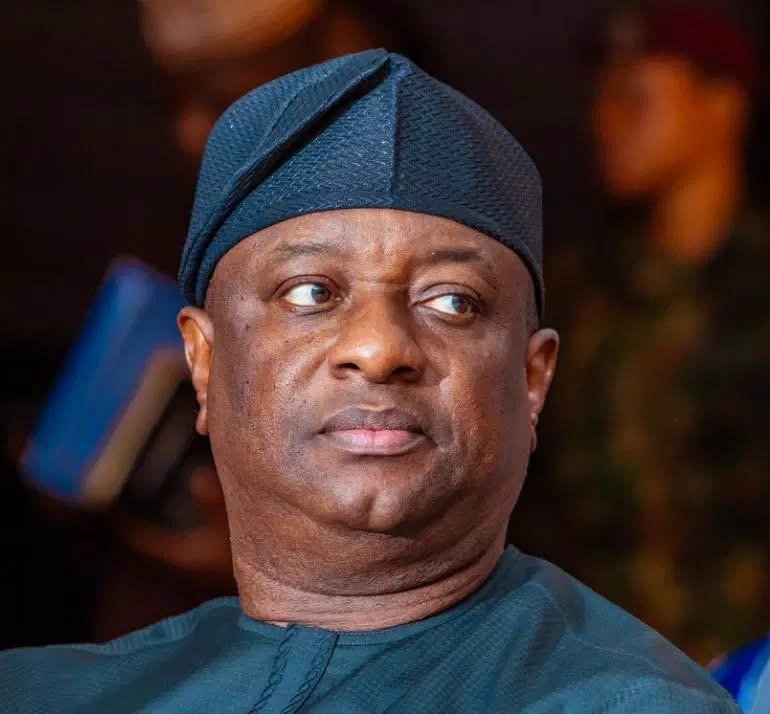
Nigeria’s Minister of Aviation and Aerospace Development, Festus Keyamo, has said the country’s ₦70,000 national minimum wage is no longer adequate to withstand the economic pressures confronting workers.
Keyamo made the statement on Thursday, September 24, 2026, at the 2026 National Pre-Retirement Summit organised by XEM Consultants Limited in Abuja.
The minister said rising living costs had weakened the purchasing power of workers and argued that government and organised labour must find common ground in discussions over workers’ wages.
His comments come as labour unions intensify calls for a review of the current minimum wage, which was increased from ₦30,000 to ₦70,000 in 2024.
Keyamo Calls for Compromise Over Workers’ Wages
Keyamo, who previously served as Minister of State for Labour and Employment, urged the Federal Government to meet organised labour halfway in ongoing discussions concerning workers’ wages.
He said labour was demanding as much as ₦500,000, while acknowledging that the existing ₦70,000 minimum wage was insufficient to absorb the economic shocks affecting workers.
The minister recalled the difficult negotiations that preceded the 2024 increase, when the national minimum wage was raised from ₦30,000 to ₦70,000.
According to him, the economic situation has changed considerably since then, making it necessary for government and labour to continue discussions over workers’ welfare.
Keyamo also stressed the importance of prioritising the welfare of workers within government institutions.
He criticised situations in which workers struggle to obtain relatively small allowances while senior officials are able to approve substantial expenditures for official travel.
The minister argued that government institutions cannot function effectively without the workers who operate them.
Labour Pushes for Higher Purchasing Power
Keyamo’s remarks came against the backdrop of growing pressure from organised labour for improved wages and measures to address the rising cost of living.
Nigeria Labour Congress President Joe Ajaero, who also spoke at the summit, called on the Federal Government to use increased oil revenues to support workers and other Nigerians affected by rising transportation and food costs.
Ajaero said higher international oil prices had created additional revenue for oil-producing countries and argued that Nigeria should consider using part of any additional earnings to cushion citizens from economic pressures.
He also said workers needed immediate relief rather than waiting solely for the next formal minimum wage review.
The NLC president stressed that wage negotiations should focus on workers’ real purchasing power rather than simply the nominal amount written on a salary slip.
His argument was that a higher salary can still provide limited relief if the prices of essential goods and services increase substantially.
NLC Seeks Wage Indexation
Ajaero also advocated linking workers’ wages and pensions to inflation or a recognised cost-of-living index.
Under such an arrangement, wages could be adjusted in response to significant changes in the cost of living rather than relying entirely on periodic negotiations.
He argued that such a mechanism could provide workers with greater protection against sudden increases in the prices of essential goods and services.
The NLC president also said the minimum pension should be considered alongside minimum wage negotiations because pensioners are similarly affected by changes in the cost of living.
The discussion reflects a wider debate over whether periodic increases in nominal wages are sufficient to protect workers when inflation and household expenses continue to change.
Nigeria’s Current Minimum Wage
Nigeria’s current national minimum wage of ₦70,000 was approved in 2024 following negotiations between the Federal Government and organised labour.
The increase represented a significant rise from the previous ₦30,000 minimum wage.
The 2024 legislation also changed the wage review cycle from five years to three years, allowing the minimum wage to be reviewed more frequently.
The shorter review period was intended to enable the wage system to respond more quickly to changing economic circumstances.
Labour leaders have since argued that the economic conditions facing workers have changed considerably since the ₦70,000 figure was agreed.
In August 2026, Channels Television reported that labour leaders were calling for an urgent review of the ₦70,000 minimum wage, arguing that rising living costs had reduced its effectiveness. (Channels Television)
Cost of Living Remains Central to Wage Debate
The central issue in the current debate is not simply the numerical value of workers’ salaries but what those salaries can purchase.
Food, transportation, housing, healthcare, education and energy costs all influence household purchasing power.
For workers earning the statutory minimum, increases in essential expenses can quickly reduce the amount of money available for other household needs.
This has made purchasing power a major component of the discussion between labour and government.
Ajaero’s argument for wage indexation reflects this concern, as it would seek to connect changes in workers’ incomes more directly to movements in inflation or the cost of living.
However, wage increases also have wider economic implications.
For government, higher public-sector wages can increase recurrent expenditure. For private employers, higher wage bills can affect operating costs and business decisions.
The challenge for policymakers and labour representatives is therefore to reach an arrangement that addresses workers’ welfare while taking broader economic conditions into account.
Labour Wants Review Talks to Begin Early
The NLC has also called for early discussions ahead of the next formal review of the national minimum wage.
Ajaero said the existing three-year review cycle means preparations should begin before the current arrangement reaches its review point.
He said workers are already facing economic difficulties and that discussions should not be delayed until the formal expiration of the existing wage framework.
The NLC president also raised concerns about the impact of higher fuel and transportation costs on workers.
According to him, government intervention should focus on reducing the immediate pressure on households while longer-term wage negotiations continue.
Government Faces Difficult Wage Balancing Act
The debate places the Federal Government in a position where it must consider competing economic pressures.
Workers and labour unions are seeking higher incomes that reflect current living costs.
Government, meanwhile, must consider the effect of wage increases on public finances and the wider economy.
Employers also have to contend with labour costs, particularly businesses already dealing with higher operating expenses.
The outcome of future negotiations will therefore have implications beyond individual workers’ salaries.
A new wage agreement could affect government payrolls, private-sector employment costs, household consumption and broader economic activity.
The discussion also comes at a time when the government is under pressure to demonstrate that economic reforms are improving conditions for ordinary Nigerians.
Workers’ Welfare at the Centre of Debate
Keyamo’s intervention adds the voice of a senior government official to the growing discussion over whether the current minimum wage remains adequate.
His acknowledgement that ₦70,000 is insufficient is significant because it comes from a minister who previously held responsibility within the labour ministry and was involved in the broader policy environment surrounding workers’ issues.
However, the final outcome of any wage review will depend on negotiations among the Federal Government, organised labour, employers and other relevant stakeholders.
The amount eventually agreed will also need to take into account economic conditions, government finances, employers’ capacity and workers’ purchasing power.
What Happens Next
Further discussions between government and organised labour are expected as pressure builds for a review of the national minimum wage.
Labour representatives have indicated that they want negotiations to begin early, while government officials have continued to engage with stakeholders over workers’ welfare and wage issues.
For Nigerian workers, the central concern remains whether their income can keep pace with the cost of essential goods and services.
The debate over the ₦70,000 minimum wage is therefore likely to remain an important national economic issue as government, labour and employers consider the next stage of Nigeria’s wage policy.
Weng Global – stories beyond borders
Sources
- Vanguard
- Channels Television
- National Salaries, Incomes and Wages Commission
- National Bureau of Statistics
- State House, Abuja