Reported by Simon Daniel Yusuph l Journalist at Weng Global
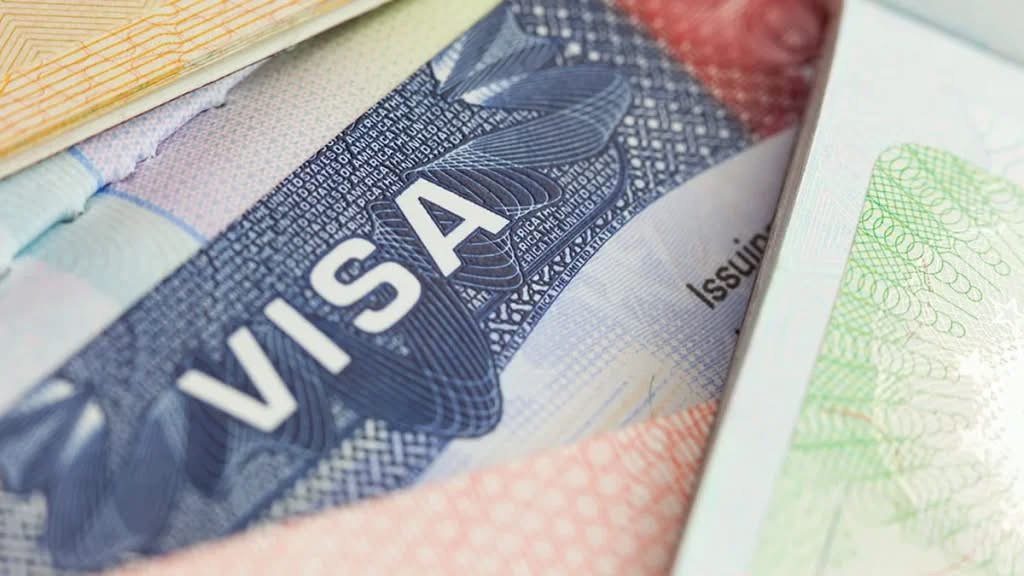
The United States has announced a new visa restriction policy targeting foreign individuals and networks that knowingly engage in or facilitate so-called “birth tourism”, expanding the Trump administration’s efforts to curb the use of U.S. immigration and visa systems for obtaining citizenship through childbirth.
U.S. Secretary of State Marco Rubio announced the policy on Wednesday, September 23, 2026, saying it would be implemented under Section 212(a)(3)(C) of the Immigration and Nationality Act.
The measure targets people the State Department says knowingly participate in, organise or facilitate commercial birth tourism, including operators of birth tourism businesses, visa intermediaries accused of coaching applicants to commit fraud and foreign medical providers alleged to knowingly assist such arrangements.
Who the New Policy Targets
According to the State Department, the new restrictions are aimed at individuals involved in commercial birth tourism networks rather than being limited to expectant travellers themselves.
The department specifically identified owners, operators and managers of commercial birth tourism facilitation networks.
It also named visa “fixers” who allegedly coach applicants to misrepresent information on visa applications, as well as foreign medical providers who knowingly assist birth tourism arrangements and the alleged fraudulent use of Medicaid.
Other individuals who knowingly support, assist or enable commercial birth tourism may also fall within the policy.
The State Department said certain family members of people covered by the restrictions may also be subject to the visa restrictions.
The department said the policy is intended to target people who profit from or facilitate the practice, describing commercial birth tourism networks as businesses that arrange travel, accommodation, medical services and other assistance for foreign nationals seeking to give birth in the United States.
What Is Birth Tourism?
Birth tourism generally refers to foreign nationals travelling to the United States primarily to give birth so that their children can obtain U.S. citizenship.
The State Department has long stated that birth tourism is not a permissible purpose for obtaining a U.S. visitor visa.
Under existing U.S. visa rules, a B-1/B-2 visitor visa may be used for tourism, business activities and certain medical treatment, but travelling to the United States primarily to give birth for the purpose of obtaining citizenship for a child is not permitted.
The State Department introduced specific changes addressing birth tourism in January 2020. Under those rules, consular officers can deny a B visa application when they have reason to believe the applicant’s primary purpose for travelling is to give birth in the United States to obtain U.S. citizenship for the child.
The latest policy therefore builds on an existing framework while placing additional attention on the people and businesses that facilitate the practice.
State Department Expands Enforcement
The announcement follows a broader campaign by the Trump administration against birth tourism.
In August, the State Department announced the creation of a Birth Tourism Prevention Task Force to identify suspected cases, review visa holders’ activities and investigate networks involved in facilitating birth tourism.
The department said the task force works with the Department of Homeland Security and uses information held across federal agencies to identify suspected violations.
According to the State Department, more than 600 visas had already been revoked from foreign nationals worldwide as part of the effort by the time the task force was announced in August.
The department also said some commercial facilitators market themselves as doulas, midwives or wellness providers while advertising childbirth-related services in the United States, including visa assistance and hospital arrangements.
It alleged that some operators have used fraudulent medical documents or coached clients to conceal the purpose of their travel.
Those claims are allegations made by the U.S. government and should not be interpreted as evidence that all businesses or individuals operating in the broader maternal-care or travel-services sectors engage in such practices.
Policy Follows August Executive Order
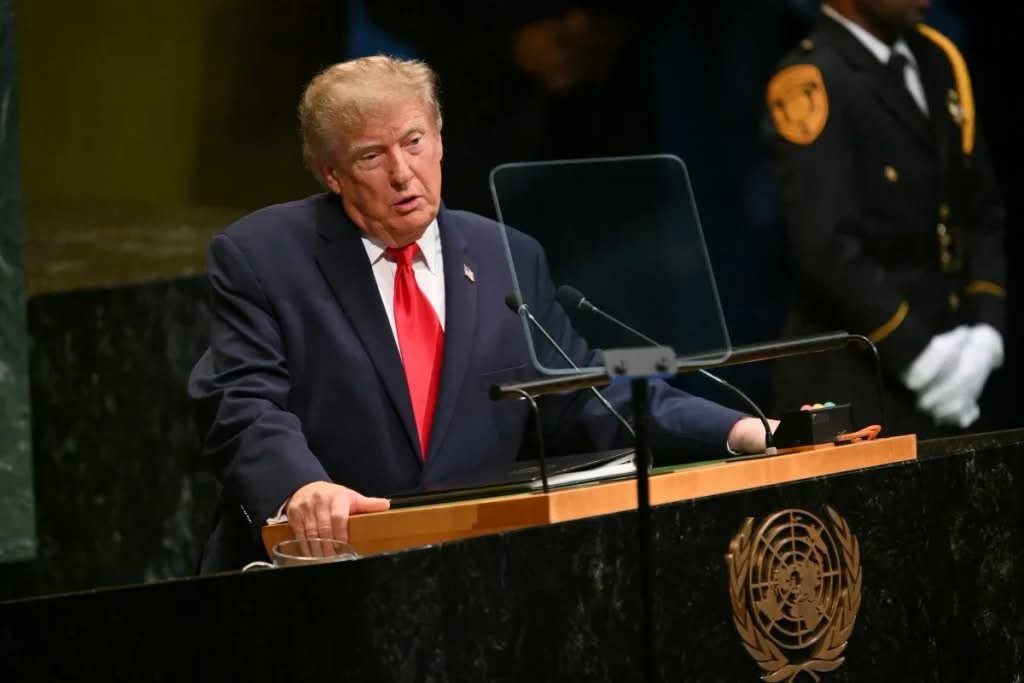
The new visa restrictions form part of a wider policy direction established by President Donald Trump.
On August 6, 2026, Trump signed an executive order titled “Ending Birth Tourism”. The order directed the Secretaries of State and Homeland Security to take steps to prevent the use or facilitation of nonimmigrant visas for birth tourism.
The order also allows the relevant authorities to take action involving visa issuance, entry, visa revocation and other immigration measures against individuals or entities involved in facilitating birth tourism, subject to applicable law.
The executive order is part of a broader administration effort to tighten immigration enforcement and increase scrutiny of visa applicants and travellers.
Implications for Visa Applicants
The latest announcement does not mean that pregnancy itself automatically prevents a foreign national from travelling to the United States.
The distinction remains the purpose of travel and compliance with U.S. immigration rules.
The State Department’s visitor-visa guidance continues to permit certain legitimate forms of travel, including tourism, visits to family and friends and qualifying medical treatment.
However, birth tourism — where giving birth in the United States for the purpose of obtaining citizenship for the child is the primary reason for the trip — is not considered an acceptable basis for a visitor visa.
Applicants are therefore expected to provide truthful information about their intended activities and comply with the conditions attached to their visas.
The new policy increases the potential consequences for people who knowingly facilitate fraudulent applications or commercial arrangements designed to circumvent those rules.
Relevance to African Travellers
The policy is also relevant to African travellers because U.S. visa applications from the continent are already subject to detailed scrutiny, and the State Department has previously reported birth-tourism investigations involving African nationals.
In June 2026, the department disclosed that a U.S. embassy in West Africa had uncovered what it described as a birth tourism network involving more than 100 foreign nationals. The department said the network allegedly used fraudulent documents and visa “fixers” to obtain U.S. visas for the purpose of giving birth in America.
The development means travel agencies, visa consultants and other intermediaries operating in Africa need to pay particular attention to the distinction between legitimate immigration assistance and activities that could be interpreted as facilitating visa fraud or birth tourism.
For individual applicants, providing accurate information remains central to the visa process.
Wider Immigration Context
The new policy comes amid significant changes in U.S. immigration and citizenship policy in 2026.
The Trump administration has pursued measures aimed at restricting what it describes as abuses of the immigration system, including changes affecting birthright citizenship and visa screening.
The administration’s efforts concerning birthright citizenship have also faced legal challenges. In September, a federal judge blocked implementation of the administration’s latest order seeking to restrict birthright citizenship, while litigation over the policy continued.
That legal dispute is separate from the State Department’s authority to determine whether an applicant qualifies for a visa, including whether the stated purpose of travel is consistent with the requested visa category.
The distinction is important because visa eligibility and citizenship rights involve different areas of U.S. immigration law.
What Happens Next?
The State Department is expected to continue using the Birth Tourism Prevention Task Force and coordination with other federal agencies to identify suspected birth tourism activity and facilitators.
The new policy gives U.S. consular authorities an additional basis for restricting visas involving individuals covered by Section 212(a)(3)(C) of the Immigration and Nationality Act.
The State Department has not indicated that the policy will be limited to a particular nationality or region. Its announcement describes the measure as applying to individuals worldwide who fall within the specified categories.
For prospective travellers, the practical issue remains whether their intended travel is lawful, whether their visa category permits the stated purpose of travel and whether the information submitted to U.S. authorities is truthful.
The latest announcement therefore represents an expansion of U.S. enforcement against the networks that authorities say facilitate commercial birth tourism, rather than a blanket prohibition on pregnant foreign nationals travelling to the United States.
Weng Global – stories beyond borders
Sources
- U.S. Department of State — September 23, 2026 press statement on visa restrictions targeting birth tourism facilitators
- U.S. Department of State — Birth Tourism Prevention Task Force fact sheet, August 12, 2026
- U.S. Department of State — Visitor Visa guidance
- Reuters — Reporting on U.S. birthright citizenship and immigration policy
- Channels and other established reporting on U.S. immigration enforcement