Zamfara Rescue: Operation FANSAN YAMMA Troops Free 33 Abducted Passengers After Terrorists Flee!
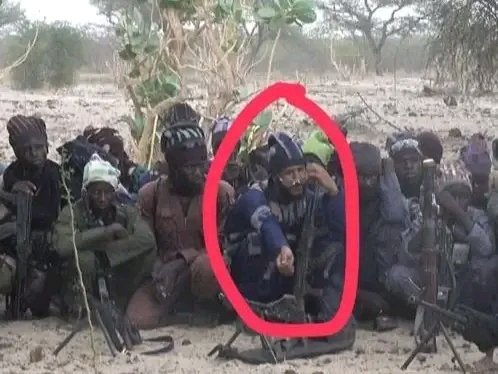
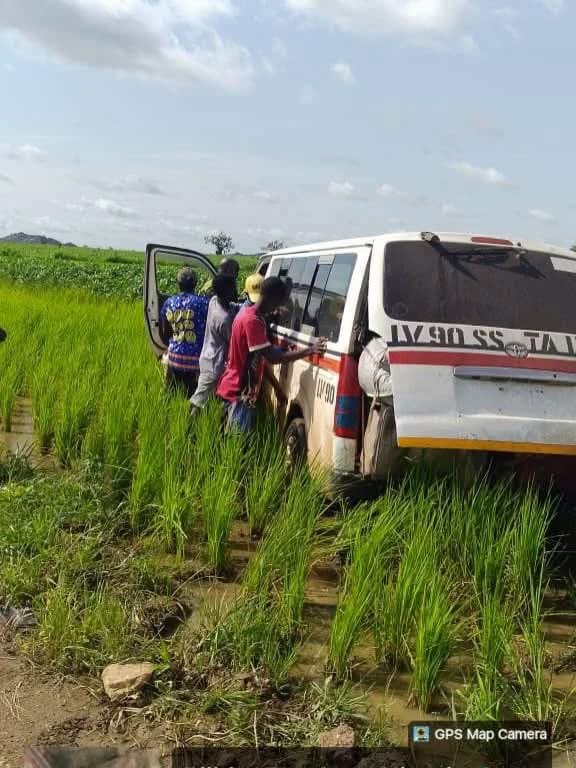
GUSAU, Zamfara State — Nigerian security forces have rescued 33 passengers abducted by suspected terrorists in Zamfara State after a rapid military response disrupted the attackers’ attempt to move the victims deeper into the surrounding bush.
The rescue operation was carried out by troops of Sector 2, Joint Task Force North-West, under Operation FANSAN YAMMA, in collaboration with personnel of the Nigeria Police Force deployed in Tsafe Local Government Area.
According to the Joint Task Force, the passengers were abducted while travelling through the Magazu area of Tsafe on Saturday, August 8, 2026. Security forces reportedly received information about the incident in the late afternoon and immediately mobilised towards the location.
The troops encountered the terrorists as they were moving the abducted passengers away from the road towards an undisclosed destination. An exchange of fire followed, forcing the attackers to abandon their captives and escape into nearby bushes.
The military said all 33 passengers were subsequently secured and rescued without casualties.
The development was confirmed by Lieutenant Colonel Aliyu Danja, Media Information Officer of the Joint Task Force North-West, Operation FANSAN YAMMA. His account was reported independently by several Nigerian media organisations, including The Punch, Vanguard, TheCable and Voice of Nigeria. (Punch Newspapers)
Rapid response prevents further movement of victims
The circumstances of the operation underscore the importance of timely intelligence in responding to kidnapping incidents along vulnerable transportation routes.
According to the military, security forces were alerted while the terrorists were still attempting to move the passengers from the area where they had been intercepted.
That timing allowed the troops to mount a rapid response before the victims could be transported farther into difficult terrain.
Lt. Col. Danja said troops made contact with the terrorists and engaged them with effective fire. Faced with the advancing security forces, the attackers abandoned the passengers and fled into adjoining bushes.
The troops then secured the victims and began searching the surrounding area for the fleeing suspects.
The military said efforts to track the terrorists were continuing after the rescue.
The operation therefore produced two immediate outcomes: the safe recovery of the abducted passengers and the disruption of the attackers’ movement.
However, the escape of the suspected terrorists means the operation is not necessarily concluded. Locating and apprehending those responsible remains an important part of the security response.
All 33 victims rescued without casualties
The Joint Task Force said all 33 abducted passengers were rescued without any casualty.
That detail is significant in a kidnapping operation where victims can face serious risks during both captivity and rescue attempts.
The military’s account indicates that the operation was conducted quickly enough to allow security forces to separate the victims from their abductors without reported loss of life.
The safe recovery of the passengers is likely to provide relief to their families and communities, particularly given the persistent fear associated with road kidnappings across parts of Nigeria’s North-West.
The authorities have not, however, released detailed information about the identities, ages or places of origin of the rescued passengers.
Neither has the military provided further details about how long the victims had been held before troops reached them.
Those details could become clearer as the rescued passengers are debriefed and security agencies complete their assessment of the incident.
Magazu and the wider Tsafe security challenge
The rescue took place in Tsafe Local Government Area, an area that has experienced repeated security challenges associated with armed criminal groups and kidnapping.
Zamfara has remained one of the states at the centre of Nigeria’s long-running banditry and kidnapping crisis, with rural communities and major roads periodically affected by attacks.
For travellers, the threat is particularly concerning because road kidnappings can occur rapidly, with criminals exploiting isolated stretches and surrounding forests to intercept vehicles and move victims away from public view.
The Magazu incident demonstrates the potential vulnerability of passengers travelling through affected areas.
It also highlights the importance of maintaining security patrols and intelligence networks around major transportation corridors.
The Joint Task Force said the latest operation forms part of its continuing mandate to protect civilians, restrict the freedom of terrorist groups and secure major transportation routes throughout the North-West.
Intelligence remains critical to counter-kidnapping operations
One of the most important elements of the Zamfara rescue was the speed with which the security information was acted upon.
The military said it received credible information about the abduction on Saturday afternoon and immediately deployed troops to the area.
Such rapid information-sharing can make a substantial difference in kidnapping situations.
The longer abductors have to move victims away from an attack location, the more difficult a conventional rescue operation can become. Forests and other difficult terrain can provide criminals with multiple routes of escape and concealment.
The Zamfara operation therefore illustrates why effective intelligence gathering, community reporting and rapid military deployment are essential components of counter-kidnapping operations.
The military has again appealed to residents to provide credible information about suspicious movements and criminal activity.
That appeal is particularly important in rural communities, where residents may notice unusual movements or activities before security agencies do.
Security forces continue search for fleeing terrorists
Although the 33 passengers have been rescued, security forces are continuing efforts to locate the attackers.
The Joint Task Force said troops subsequently conducted exploitation of the surrounding area while maintaining efforts to track the fleeing terrorists.
The term “exploitation” in this operational context refers broadly to follow-up activities aimed at gathering information from the area and pursuing leads after the initial engagement.
The effectiveness of the follow-up operation could determine whether the rescue results in further arrests or intelligence gains concerning the criminal group involved.
The military has not announced the identities or number of terrorists involved in the attack, nor has it reported any confirmed arrests arising from the operation as of the latest available account.
Wengglobal will therefore avoid attributing the incident to any particular named criminal group until security authorities provide verifiable information.
Operation FANSAN YAMMA and the North-West security campaign
Operation FANSAN YAMMA is the Joint Task Force’s major military framework for confronting terrorism and banditry in Nigeria’s North-West.
Its area of responsibility covers states affected by armed criminal activity, including Zamfara and neighbouring parts of the region.
The operation combines military deployments with cooperation from other security agencies, including the Nigeria Police Force.
The Zamfara rescue demonstrates the importance of that joint approach.
In the latest incident, troops from Sector 2 worked alongside police personnel stationed in Tsafe. Their combined response enabled the security forces to reach the area and engage the abductors before the victims were moved farther away.
The collaboration also reflects the increasingly complex nature of Nigeria’s security challenges, which require military capabilities, police investigations, local intelligence and community cooperation.
Road security remains a national concern
The incident comes amid continuing concerns over the safety of travellers on Nigerian highways.
Kidnapping along major roads has consequences beyond the immediate victims. It affects public confidence, commercial transportation, movement of agricultural goods and regional economic activity.
When travellers fear abduction on particular routes, transport operators may alter their schedules, avoid certain roads or increase fares to account for perceived security risks.
Businesses operating across state boundaries can also face higher logistical costs.
For governments and security agencies, protecting highways is therefore not simply a matter of preventing individual attacks. It is also essential to maintaining economic connectivity and public confidence.
The Joint Task Force’s pledge to safeguard transportation routes reflects that broader responsibility.
Rescue is important, but prevention remains the larger test
The successful rescue of 33 passengers is a significant security development, but it also raises questions about how such abductions can be prevented.
A sustainable counter-kidnapping strategy must address both immediate attacks and the conditions that enable armed groups to operate.
This includes improving intelligence collection, strengthening surveillance around vulnerable corridors, maintaining effective patrols, disrupting criminal financing and ensuring rapid response to distress calls.
Community cooperation is equally important.
Residents who have access to information about criminal movements can help security agencies intervene before attacks escalate. At the same time, security agencies must build public confidence by protecting informants and responding responsibly to credible intelligence.
The latest operation demonstrates what can happen when information reaches security forces quickly enough for an intervention to be mounted.
Families await the return of their loved ones
For the 33 rescued passengers, the immediate priority is their safe return to their families and communities.
Following such traumatic experiences, rescued victims may require medical assessment, psychological support and careful debriefing.
The authorities may also use information obtained from the victims to understand how the abduction occurred, identify possible escape routes and gather intelligence about the attackers.
Such information could assist future operations in the area.
It is therefore important that rescued victims are treated not only as survivors of a security incident but also as potential sources of critical intelligence, while respecting their privacy and welfare.
A significant but incomplete security victory
The rescue of the 33 passengers represents a positive outcome for the security forces and, most importantly, for the victims and their families.
The operation demonstrated that rapid intelligence, coordinated deployment and decisive intervention can disrupt an abduction before victims are moved farther into hostile territory.
Yet the escape of the suspected terrorists means the broader security challenge remains.
The next test for Operation FANSAN YAMMA will be whether the attackers can be identified, tracked and brought to justice and whether similar incidents can be prevented along the affected corridor.
For Zamfara residents and road users, the expectation is clear: successful rescue operations must be matched by sustained efforts to prevent abductions in the first place.
The latest development nevertheless provides a measure of reassurance to travellers who continue to depend on the state’s roads for movement and commerce.
The Joint Task Force has urged residents to remain vigilant and share credible information with security agencies.
For Wengglobal, the Zamfara rescue underscores both the value of timely intelligence and the continuing scale of Nigeria’s counter-kidnapping challenge.
Thirty-three passengers have been brought back to safety, but the wider objective remains the restoration of secure roads and communities where citizens can travel without the persistent fear of abduction.
Wengglobal will continue to monitor the security situation in Zamfara and the wider North-West, with emphasis on independently corroborated information, official statements and the human impact of Nigeria’s ongoing fight against terrorism and kidnapping.
Sources
- The Punch — “Soldiers rescue 33 kidnapped passengers in Zamfara” — August 9, 2026. The report details the military’s account of the rescue, the Magazu abduction and the subsequent engagement with the terrorists.
- Vanguard — “Troops rescue 33 kidnapped passengers in Zamfara” — August 9, 2026. The report independently corroborates the rescue, the involvement of the Nigeria Police Force and the military’s account of the operation.
- TheCable — “Troops ‘rescue 33’ passengers abducted by terrorists in Zamfara” — August 9, 2026. The report confirms the number of rescued passengers and quotes the Joint Task Force’s account of the operation.
- Voice of Nigeria — “Troops Rescue 33 Abducted Passengers in Zamfara” — August 9, 2026. The government-owned broadcaster provides additional context on the rescue and the security forces’ appeal for public vigilance.
- Daily Trust — Reported the rescue of 33 passengers in Tsafe Local Government Area under Operation FANSAN YAMMA. (Daily Trust)
- Leadership — Reported the rescue of the 33 passengers abducted around Magazu in Tsafe LGA. (Leadership)
Editorial note: The military has described the abductors as terrorists, but it has not, in the available statements, publicly identified a specific terrorist organisation responsible for the abduction. Wengglobal therefore does not attribute the attack to any particular group without independent confirmation