Reported by Simon yusuph,| Journalist at wengglobal
IBADAN, Nigeria — Oyo State Governor Seyi Makinde has launched one of his strongest criticisms yet of the economic policies introduced by President Bola Ahmed Tinubu’s administration, arguing that key reforms including the removal of fuel subsidies and the floating of the naira have intensified economic hardship for millions of Nigerians without delivering the promised relief.
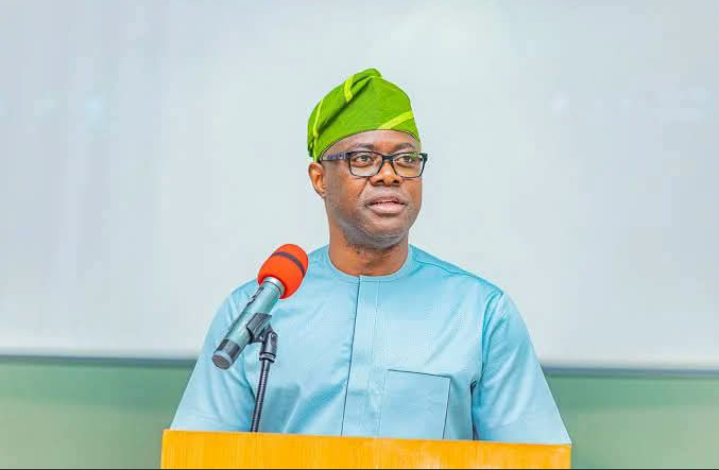
Speaking during a political gathering attended by supporters and stakeholders of the Allied Peoples Movement (APM), Makinde urged Nigerians to carefully assess the impact of the Federal Government’s economic decisions as political activities gradually gather momentum ahead of the 2027 general elections.
The governor maintained that while economic reforms are often necessary, their implementation must prioritize citizens’ welfare, social protection, and economic stability. He argued that policy reforms should be accompanied by measures capable of cushioning vulnerable households from inflation, rising transportation costs, and declining purchasing power.
Makinde’s remarks add to growing national conversations over the direction of Nigeria’s economy since President Tinubu assumed office in May 2023 and unveiled sweeping reforms aimed at restructuring Africa’s largest economy.
Renewed Criticism of Federal Economic Policies
Addressing supporters, Makinde questioned the effectiveness of the Federal Government’s flagship economic reforms, insisting that many Nigerians continue to struggle with the rising cost of living despite repeated assurances that the reforms would yield long-term economic gains.
According to the governor, the removal of fuel subsidies and the liberalisation of the foreign exchange market have significantly increased living expenses, placing severe pressure on households and businesses across the country.
He argued that although difficult economic decisions are sometimes unavoidable, governments have a responsibility to ensure that citizens do not bear disproportionate burdens without adequate safety nets.
Makinde said economic management should be judged not only by macroeconomic indicators but also by its direct impact on ordinary citizens, including workers, farmers, entrepreneurs, transport operators, and small businesses.
His comments reflect concerns expressed by labour unions, business associations, civil society organisations, and economic analysts who have repeatedly warned that inflation and exchange-rate volatility continue to erode household incomes.
Fuel Subsidy Removal Remains a Divisive Issue
Since the Federal Government ended Nigeria’s long-standing fuel subsidy programme, petrol prices have increased sharply, triggering higher transportation costs and increases in food prices across the country.
Government officials have consistently defended the decision, arguing that subsidy payments had become fiscally unsustainable and diverted resources away from infrastructure, healthcare, education, and social development.
The Tinubu administration has also maintained that savings from subsidy removal would enable greater investment in critical sectors while improving public finances.
However, critics argue that the expected benefits have yet to translate into meaningful improvements in citizens’ daily lives.
Many households continue to grapple with rising energy costs, increased food inflation, and declining purchasing power despite government interventions, including student loans, conditional cash transfers, compressed natural gas (CNG) initiatives, and wage adjustments.
Naira Float Continues to Generate Debate
Makinde also criticised the decision to liberalise Nigeria’s foreign exchange market, saying the rapid depreciation of the naira has significantly increased the cost of imported goods, industrial inputs, medicines, and production materials.
The floating of the naira was introduced to attract foreign investment, eliminate multiple exchange rates, and improve transparency within the foreign exchange market.
Federal authorities argue that exchange-rate reforms are necessary to restore investor confidence and strengthen long-term economic competitiveness.
Despite these objectives, businesses have continued to cite foreign exchange volatility as one of their biggest operational challenges, while manufacturers have warned about escalating production costs.
Economic experts remain divided over the pace and implementation of the reforms. Some believe the policies were necessary but required stronger institutional support and wider social protection programmes to reduce their immediate impact on citizens.
Political Messaging Ahead of 2027
Beyond economic criticism, Makinde used the occasion to encourage supporters of the Allied Peoples Movement (APM) to remain united as preparations gradually begin for the 2027 general elections.
He urged party members to strengthen grassroots mobilisation and promote issue-based politics focused on governance, accountability, economic development, and improved public service delivery.
Political observers note that although Nigeria’s next general election remains some time away, parties and influential political figures have increasingly intensified consultations, alliance-building, and strategic positioning.
Makinde’s comments are widely viewed as part of broader political conversations likely to shape future alignments across the country’s opposition landscape.
Analysts believe debates surrounding economic performance, inflation, employment, security, infrastructure, and governance will dominate campaign narratives as political parties prepare for the next electoral cycle.
Federal Government Defends Reform Agenda
The Presidency and senior government officials have repeatedly defended President Tinubu’s economic programme, insisting that difficult reforms were unavoidable after years of structural economic distortions.
According to government officials, subsidy removal, tax reforms, fiscal restructuring, and foreign exchange liberalisation are intended to build a stronger and more resilient economy capable of attracting investment and creating sustainable growth.
Officials also argue that early signs including improving foreign reserves, increased investor confidence in some sectors, and renewed interest from international financial institutions indicate that the reforms are beginning to produce positive results.
However, authorities acknowledge that the transition has imposed short-term hardships on many Nigerians and have pledged continued intervention programmes to cushion vulnerable groups.
Broader Economic Context
Nigeria continues to face multiple economic challenges, including persistent inflation, youth unemployment, food insecurity, exchange-rate volatility, and pressure on household incomes.
The country is simultaneously pursuing ambitious reforms aimed at increasing government revenue, improving fiscal discipline, expanding domestic production, boosting energy security, and strengthening investor confidence.
International financial institutions, including the International Monetary Fund (IMF) and the World Bank, have broadly supported structural reforms while emphasizing the need for stronger social protection measures to shield vulnerable populations from economic shocks.
For many Nigerians, however, the immediate concern remains whether the reforms will translate into lower living costs, more employment opportunities, improved public services, and sustainable economic growth.
As political conversations intensify ahead of the 2027 elections, debates over the effectiveness of President Tinubu’s economic policies are expected to remain central to Nigeria’s national discourse.
Makinde’s latest intervention underscores how economic performance is likely to shape political alignments and public opinion in the coming years, with both supporters and critics of the Federal Government continuing to present contrasting assessments of the country’s reform agenda.
For voters, businesses, and investors alike, the coming months will provide further opportunities to evaluate whether ongoing reforms can balance fiscal sustainability with inclusive economic growth and improved living standards.
Sources
- Channels Television
- Premium Times Nigeria
- Punch Newspapers
- Vanguard Nigeria
- The Guardian Nigeria
- Daily Trust
- Reuters
- Nigerian Tribune