Reported by Simon yusuph, | Journalist at wengglobal
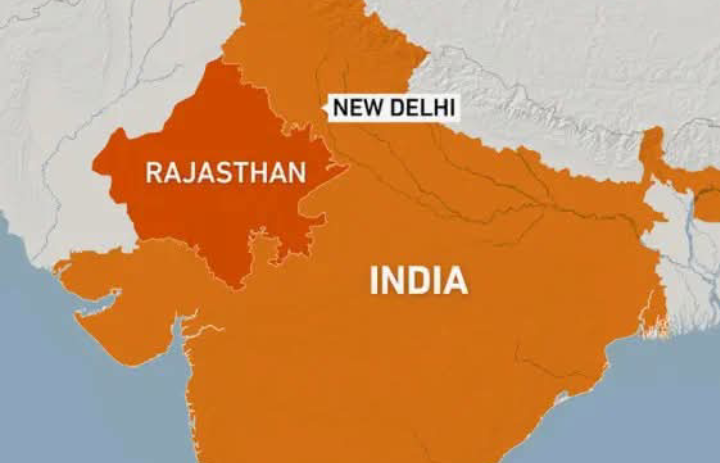
NEW DELHI, India — A New Delhi court’s decision to acquit former Wrestling Federation of India (WFI) president Brij Bhushan Sharan Singh of sexual harassment allegations has reignited debate over athlete safety, accountability in sports governance, and the pursuit of justice in one of India’s most closely watched sporting controversies.
The ruling has prompted several athletes and supporters involved in the case to announce plans to challenge the verdict through the appellate courts, arguing that the legal process should continue in pursuit of accountability. The development marks another chapter in a controversy that has attracted global attention since leading Indian wrestlers launched public protests in 2023, accusing the influential sports administrator of sexual misconduct.
The acquittal has generated widespread reactions across India’s sporting community, with athletes maintaining that the verdict does not diminish the concerns they raised regarding the treatment of female wrestlers and the broader need for institutional reforms within sports administration.
Court Acquits Former Wrestling Federation President
The New Delhi court acquitted Brij Bhushan Sharan Singh after determining that the prosecution had not established the allegations beyond the legal threshold required for a criminal conviction. The court examined witness testimonies, documentary evidence, and other materials presented during the proceedings before delivering its judgment.
Singh, a former Member of Parliament and long-serving wrestling administrator, consistently denied all allegations throughout the investigation and trial. His legal team maintained that the accusations were unfounded and politically motivated, arguing that there was insufficient evidence to support the criminal charges.
Following the judgment, Singh welcomed the verdict, describing it as a vindication of his long-standing position that he had committed no wrongdoing. His supporters also hailed the court’s decision as confirmation of his innocence under the law.
However, legal experts note that an acquittal in a criminal case reflects the prosecution’s inability to prove guilt beyond reasonable doubt and does not necessarily resolve broader public concerns surrounding governance, workplace safety, or institutional accountability.
Athletes Insist the Legal Fight Is Not Over
Several wrestlers involved in the campaign against the former federation chief have vowed to file an appeal, insisting they remain committed to pursuing justice through available legal channels.
The athletes argue that the issues raised during their protests extended beyond individual allegations and reflected broader concerns about athlete welfare, abuse of authority, and mechanisms for reporting misconduct within sporting institutions.
Their legal representatives indicated that they would carefully study the court’s reasoning before filing an appeal in accordance with Indian law.
The wrestlers have also reaffirmed their commitment to advocating safer sporting environments for women and young athletes, emphasizing that their campaign has always sought systemic reforms alongside legal accountability.
Background to a Landmark Sports Controversy
The controversy emerged prominently in 2023 when several of India’s most decorated wrestlers staged protests demanding Singh’s resignation as Wrestling Federation of India president.
Olympic medallists and international champions accused him of sexual harassment and intimidation, allegations he consistently denied.
The demonstrations evolved into one of the largest athlete-led protest movements in India’s recent sporting history. Protesters organized sit-ins in New Delhi, attracting widespread public support while drawing attention from international sporting bodies, women’s rights organizations, and civil society groups.
The case also triggered police investigations and intensified scrutiny of governance standards within Indian sports federations.
Public pressure eventually led to significant administrative changes within the Wrestling Federation of India, although disputes surrounding its governance have continued in subsequent years.
Wider Questions About Athlete Protection
Regardless of the court’s ruling, the case has intensified discussions about safeguarding mechanisms in sports organizations.
Advocates argue that athletes—particularly women and minors—must have access to confidential, independent, and effective reporting systems that protect complainants from retaliation.
Sports governance experts say organizations across Asia and beyond increasingly face pressure to adopt stronger safeguarding policies consistent with international best practices promoted by global sporting institutions.
The controversy has also highlighted the importance of transparent investigations, independent ethics mechanisms, and survivor-centred reporting procedures that maintain fairness for all parties involved.
For many observers, the case underscores the need for sporting federations to strengthen institutional integrity regardless of the outcome of individual legal proceedings.
Implications for Indian Wrestling
Indian wrestling has historically been among the country’s strongest Olympic disciplines, producing multiple world champions and Olympic medallists.
However, governance disputes and prolonged administrative uncertainty have affected preparations for international competitions, raising concerns among athletes, coaches, and sports administrators.
Analysts believe restoring confidence within the federation will require sustained efforts to improve transparency, athlete representation, and institutional accountability.
The controversy has also prompted discussions about balancing administrative authority with athlete welfare, an issue increasingly relevant across global sports.
International Attention
The allegations and subsequent protests attracted extensive international media coverage, with major global news organizations documenting the demonstrations and the legal proceedings.
Human rights advocates and sports governance experts have argued that the case illustrates broader challenges facing sports institutions worldwide regarding the prevention of abuse and protection of athletes.
International sporting bodies have increasingly encouraged national federations to strengthen safeguarding frameworks and ensure independent mechanisms for addressing complaints involving senior officials.
Observers note that the appeal process will continue to draw attention because of the case’s significance for sports governance, gender equality, and athlete rights.
What Comes Next
The athletes’ legal team is expected to initiate the appellate process after reviewing the detailed judgment.
Indian appellate courts will determine whether sufficient legal grounds exist to reconsider the acquittal.
Meanwhile, sports administrators, athlete associations, and policymakers are likely to continue discussions on strengthening governance standards and safeguarding policies within national sporting federations.
Regardless of the final legal outcome, the controversy has already reshaped public discourse around athlete protection in India and reinforced calls for stronger institutional accountability across sports.
For many athletes and observers, the case represents not only a legal dispute but also a defining moment in efforts to create sporting environments where participants can compete free from harassment, intimidation, or abuse of authority.
As the appeals process unfolds, attention will remain focused on both the judicial system and the broader reforms many athletes believe are essential for the future credibility and integrity of Indian sports.
Sources:
- Reuters
- Associated Press (AP)
- BBC News
- The Hindu
- The Indian Express
- NDTV