Reported by Weng Patrick Atokor | Journalist at Weng Global
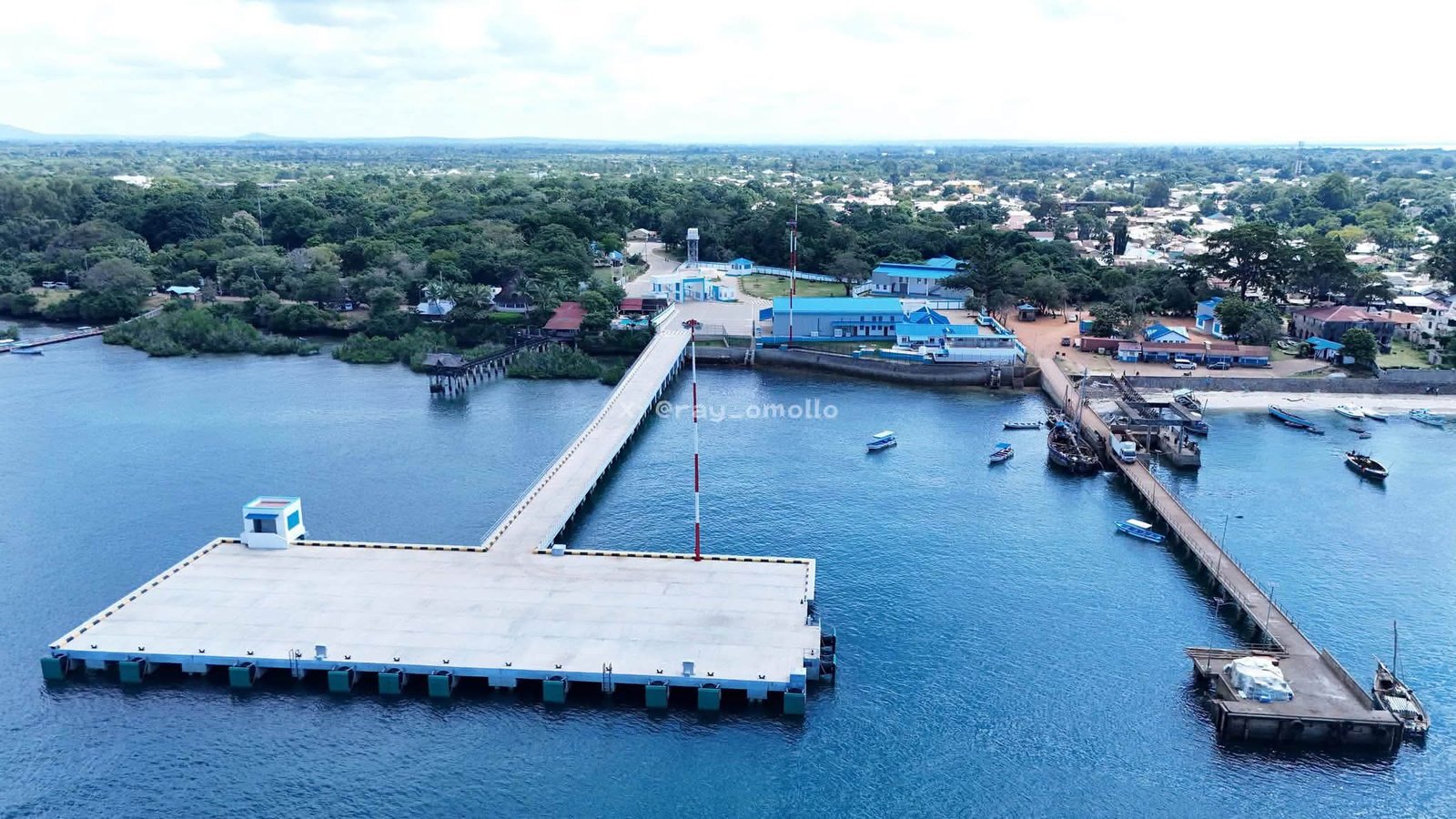
The Kenyan government has officially handed over the newly completed Shimoni Fish Port in Kwale County to the Kenya Ports Authority (KPA), marking a major milestone in the country’s efforts to transform the Blue Economy into a key pillar of economic growth.
The handover signals the beginning of a new chapter for Kenya’s fishing industry, with the modern facility expected to strengthen fish production, processing, value addition, and exports while creating employment opportunities for coastal communities.
Speaking during the handover ceremony, Interior Principal Secretary Raymond Omollo described the project as a strategic national investment designed to unlock the vast potential of Kenya’s marine resources.
According to Omollo, the state-of-the-art fish port has the capacity to process up to 50,000 metric tonnes of fish annually, positioning Kenya to become a regional leader in fisheries and seafood exports.
“The Shimoni Fish Port is more than just infrastructure. It represents our commitment to empowering coastal communities, expanding the Blue Economy, creating jobs for young people, and enhancing food security,” Omollo said.
Strategic Investment Worth Billions
The fish port, constructed at a cost of approximately KSh2.6 billion, was developed by the Kenya Ports Authority in partnership with Southern Engineering Company (SECO).
Construction began in October 2022 and has now been completed after nearly three years.
The project is one of the flagship investments under Kenya’s Blue Economy agenda, which seeks to maximize economic opportunities from oceans, lakes, rivers, and other aquatic resources while ensuring environmental sustainability.
Modern Facilities to Transform Fisheries
Unlike traditional landing sites used by artisanal fishermen, the Shimoni Fish Port has been equipped with world-class infrastructure capable of supporting commercial-scale fishing operations.
The facility includes:
- Modern fish landing jetty
- Fish processing plant
- Cold storage facilities
- Ice-making plant
- Reefer stations
- Wastewater treatment system
- Bio-digester
- Administrative offices
- Power substation
- Warehousing facilities
The new infrastructure is expected to significantly reduce post-harvest losses, improve fish quality, and increase Kenya’s competitiveness in international seafood markets.
Supporting Kenya’s Blue Economy
Kenya has increasingly prioritized the Blue Economy as one of the country’s emerging growth sectors.
The industry encompasses fisheries, aquaculture, maritime transport, marine biotechnology, tourism, and ocean conservation.
Government officials believe investments such as Shimoni Fish Port will encourage commercial fishing while improving incomes for thousands of fishermen who have traditionally relied on small-scale operations.
The port is expected to become a major fisheries hub serving not only Kwale County but the wider East African coastal region.
Economic Benefits for Coastal Communities
One of the government’s biggest expectations is that the facility will stimulate local economic development.
With increased fish handling capacity, more businesses are expected to emerge around transportation, refrigeration, packaging, processing, logistics, equipment maintenance, and exports.
The project is also projected to create direct and indirect employment opportunities for youth and women in the coastal region.
Fishing cooperatives, seafood processors, transport companies, exporters, and hospitality businesses are all expected to benefit from the expanded fisheries value chain.
Officials say the development will improve household incomes while attracting private sector investment into the region.
KPA Takes Over Operations
Following the official handover, Kenya Ports Authority will now oversee management and operationalization of the facility ahead of its formal commissioning.
KPA Managing Director Captain William Ruto said the authority remains committed to expanding specialized port infrastructure beyond traditional cargo handling.
He noted that Shimoni Fish Port represents a strategic diversification of Kenya’s maritime sector by focusing on fisheries infrastructure capable of supporting regional and international trade.
According to KPA, the authority will ensure efficient operations while working closely with fisheries stakeholders, county governments, and exporters to maximize the port’s economic potential.
Expanding Export Opportunities
Industry experts believe the facility could significantly increase Kenya’s seafood exports.
Previously, many fishermen lacked access to modern preservation facilities, forcing them to sell catches immediately at lower prices due to spoilage risks.
With cold storage, processing units, and quality control systems now available, fish products can be preserved for longer periods before reaching domestic and international markets.
The facility is expected to improve compliance with international food safety standards, making Kenyan seafood more competitive globally.
Supporting Sustainable Fishing
Government officials have also emphasized sustainable exploitation of marine resources.
The modern infrastructure is intended to support responsible fishing practices while improving monitoring of fish landings and promoting value addition rather than raw product sales.
Officials say the project aligns with Kenya’s broader environmental conservation goals by encouraging efficient resource utilization alongside economic development.
Hope for Fishermen
For many fishermen in Shimoni and surrounding coastal communities, the completion of the port represents renewed optimism.
For years, local fishermen have struggled with inadequate landing facilities, poor storage infrastructure, and limited market access.
The new port is expected to reduce operational costs, minimize waste, improve product quality, and connect local producers to larger regional and international markets.
Community leaders have welcomed the project, expressing hope that it will improve livelihoods and attract additional investment to the region.
Looking Ahead
As Kenya intensifies efforts to diversify its economy, investments in marine infrastructure are expected to play an increasingly important role.
The Shimoni Fish Port stands as one of the country’s largest fisheries infrastructure projects and demonstrates the government’s commitment to unlocking the economic potential of the Blue Economy.
Once fully operational, the facility is expected to strengthen Kenya’s fisheries sector, enhance food security, increase exports, generate government revenue, and create sustainable employment opportunities for thousands of Kenyans.
With Kenya Ports Authority now assuming responsibility for the facility, attention shifts toward its operational rollout and eventual commissioning, which is expected to mark the beginning of a new era for Kenya’s coastal economy.
Sources: Kenya Ports Authority (KPA), Kenya News Agency (KNA), KBC Digital.