Reported by Weng Patrick Atokor | Journalist at Weng Global
LAGOS, Nigeria — The annual rainy season has once again exposed the vulnerabilities of Nigeria’s commercial capital, leaving millions of Lagos residents struggling with severe flooding, prolonged traffic congestion, damaged roads, and rising transportation costs.
From the bustling streets of Victoria Island and Lekki to densely populated communities in Agege, Ikorodu, Ajegunle, Mushin, Surulere, and Oshodi, residents say the persistent downpours have disrupted daily life, affecting businesses, education, healthcare access, and overall productivity.
While rainfall is expected during the wet season, many residents argue that poor drainage infrastructure, blocked canals, indiscriminate waste disposal, and rapid urban expansion have worsened the impact of flooding across Africa’s largest city.
Floodwaters Swallow Roads
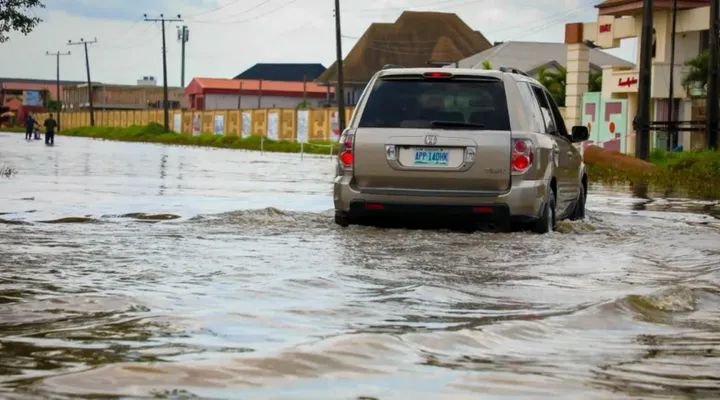
Heavy rainfall over recent weeks has submerged several roads, forcing motorists to abandon vehicles while pedestrians wade through knee-deep water to reach their destinations.
In many flood-prone communities, homes have been inundated, damaging household belongings and forcing some families to temporarily relocate to safer areas.
Residents of areas such as Ajegunle, Iyana Ipaja, Alimosho, Isolo, and parts of Lekki reported that floodwaters often remain for hours after rainfall, making movement difficult and increasing health risks.
Many business owners said customer traffic drops significantly whenever heavy rains occur because people prefer to remain indoors until floodwaters recede.
Endless Traffic Congestion
Flooded roads have compounded Lagos’ already notorious traffic challenges.
Major routes including the Third Mainland Bridge approaches, Ikorodu Road, Lagos-Abeokuta Expressway, Oshodi-Apapa Expressway, and Lekki-Epe Expressway frequently experience severe gridlock after heavy rainfall.
Commuters report spending between three and six hours on journeys that normally take less than an hour.
Commercial drivers blame flooded roads, broken-down vehicles, and reduced road capacity for worsening congestion.
Office workers say they now leave home much earlier to avoid arriving late for work, while others rely on remote work whenever possible.
Transport Fares Continue to Rise
One of the most immediate consequences of the rainy season has been a sharp increase in transportation costs.
Commercial bus operators, tricycle riders, and motorcycle operators have raised fares, citing longer travel times, increased fuel consumption, vehicle maintenance expenses, and poor road conditions.
Passengers say routes that previously cost ₦500 now attract fares of ₦800 to ₦1,200 during periods of heavy rainfall.
For low-income earners already struggling with high inflation and rising living costs, the additional transportation expenses have become a significant financial burden.
Many commuters now combine walking with public transport to reduce daily expenses.
Businesses Feel the Impact
Small business owners across Lagos say the rainy season has reduced patronage and increased operating costs.
Roadside traders often lose customers whenever floods prevent access to markets and shopping areas.
Some shop owners have invested in sandbags, raised platforms, and temporary drainage systems to protect goods from water damage.
Food vendors and informal traders also report losing income because customers avoid flooded streets.
Delivery companies have similarly experienced delays as riders navigate waterlogged roads and heavy traffic.
Health Concerns Increase
Health professionals warn that stagnant floodwater creates breeding grounds for mosquitoes and increases the risk of waterborne diseases such as cholera, typhoid fever, and diarrhoea.
Residents are also concerned about contaminated water entering residential compounds.
Medical experts encourage residents to maintain proper hygiene, avoid contact with floodwater where possible, boil drinking water, and seek medical attention if symptoms of illness develop.
Children remain particularly vulnerable because they often play in floodwaters despite the associated health risks.
Schools and Workers Disrupted
Heavy rainfall has also affected education across the state.
Some students arrive late for school because public transportation becomes scarce after morning rainfall.
Parents say they occasionally keep children at home when flooding becomes severe, especially in communities where roads become impassable.
Employers have equally reported reduced staff punctuality during periods of persistent rainfall.
Several organisations have adopted flexible work arrangements to accommodate workers affected by flooding and traffic congestion.
Drainage Blockages Remain a Challenge
Urban planning experts say blocked drainage channels remain one of the biggest contributors to flooding.
Plastic bottles, nylon bags, refuse, and construction debris frequently obstruct waterways, preventing the free flow of rainwater.
Environmental advocates continue to urge residents to dispose of waste responsibly while calling for stricter enforcement against indiscriminate dumping.
Experts argue that improving drainage maintenance could significantly reduce flood incidents in many parts of Lagos.
Government Response
The Lagos State Government has repeatedly urged residents to avoid dumping refuse into drainage channels and has intensified efforts to clear canals ahead of peak rainfall.
Relevant agencies have carried out drainage desilting exercises across several communities while monitoring flood-prone areas.
Authorities have also advised residents living along riverbanks and drainage corridors to remain vigilant and comply with safety advisories during periods of heavy rainfall.
Emergency response agencies say they remain on standby to assist communities affected by flooding.
Climate Change Intensifies Weather Patterns
Environmental experts note that climate change is contributing to increasingly intense rainfall events across many coastal cities, including Lagos.
Combined with rapid population growth, inadequate drainage infrastructure, and expanding urban development, extreme weather continues to place additional pressure on public infrastructure.
Experts believe long-term investments in flood control systems, improved urban planning, climate-resilient infrastructure, and sustainable waste management will be essential to reducing future risks.
Residents Call for Lasting Solutions
Many Lagos residents say annual flooding has become a recurring challenge requiring permanent rather than temporary interventions.
They are calling for wider drainage networks, stricter environmental sanitation enforcement, rehabilitation of damaged roads, improved urban planning, and investment in modern flood-control infrastructure.
Residents also urge stronger collaboration between government agencies, community leaders, and citizens to ensure drainage channels remain clear throughout the year.
Despite the annual disruptions, Lagosians continue to demonstrate resilience, adapting their routines and businesses to cope with one of the city’s most persistent seasonal challenges.
However, many believe that without sustained investment in infrastructure and environmental management, flooding, traffic congestion, and rising transportation costs will remain defining features of every rainy season in Nigeria’s economic hub.
Sources
- Lagos State Government
- Lagos State Emergency Management Agency (LASEMA)
- Nigerian Meteorological Agency (NiMet)
- Punch Newspapers
- The Guardian Nigeria
- Vanguard Newspaper