Reported by Simon yusuph,| Journalist at wengglobal
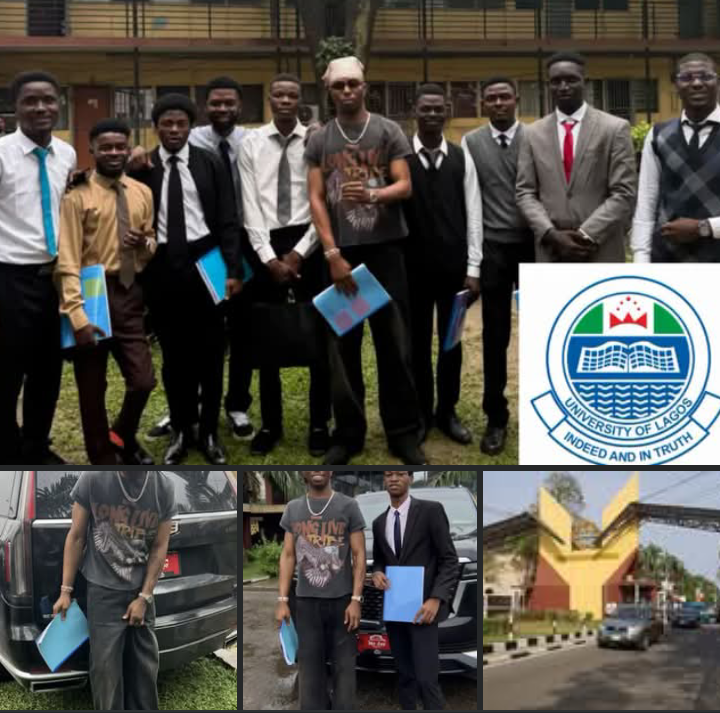
The University of Lagos (UNILAG) has come under intense public scrutiny following widespread reactions to the outfit worn by Nigerian singer Fola during his undergraduate project defence, reigniting debates about university dress codes, institutional consistency, and whether celebrities receive preferential treatment in Nigeria’s higher education system.
Images and videos from the project defence, which quickly circulated across social media platforms, showed the fast-rising Afrobeats singer appearing before academic assessors in an unconventional outfit that many online users argued did not align with the university’s expected standards for formal academic presentations. The incident has since generated thousands of comments, with critics questioning whether ordinary students would have been permitted to appear in similar attire.
While some observers described the backlash as exaggerated, others argued that the controversy raises broader questions about fairness, institutional discipline, and the application of university regulations regardless of a student’s public profile.
Social Media Reactions Divide Public Opinion
The controversy erupted after photographs from the project defence gained traction online, prompting mixed reactions from students, alumni, education stakeholders, and entertainment fans.
A section of social media users accused the university of applying its rules selectively. Many argued that students are routinely cautioned about appropriate dressing for examinations, oral presentations, and project defences, making the perceived acceptance of Fola’s attire appear inconsistent.
Others defended both the singer and the university, insisting that academic performance not fashion should remain the focus of project assessments. Supporters argued that universities should prioritize intellectual merit over personal style, provided students conduct themselves respectfully throughout the academic exercise.
The online debate soon expanded beyond the individual incident, touching on broader issues surrounding celebrity culture, institutional governance, and the influence of public perception on higher education.
Understanding Project Defence Expectations
Project defence sessions represent one of the most important academic requirements for final-year university students. During these presentations, students defend their research before a panel of lecturers who evaluate the originality, methodology, findings, and academic contribution of their work.
Although many Nigerian universities encourage formal dressing during such exercises, implementation of dress expectations often differs across faculties and departments. Some institutions publish detailed dress regulations, while others rely on unwritten conventions that encourage students to appear professionally.
The latest controversy has therefore prompted renewed discussions about whether universities should adopt clearer, publicly available guidelines to eliminate ambiguity and ensure equal treatment for every student.
Celebrity Status and Questions of Equal Treatment
One of the dominant themes emerging from the controversy is whether public figures receive special consideration within educational institutions.
Several commentators argued that universities must maintain the same standards for all students regardless of social status, professional achievements, or online popularity. They contend that consistency is essential for preserving institutional credibility and public confidence.
Conversely, others cautioned against drawing conclusions without official clarification from the university, noting that images shared online may not fully represent the circumstances surrounding the defence or the faculty’s expectations.
Education analysts have also observed that social media often amplifies isolated incidents before institutions have an opportunity to provide context, making balanced reporting particularly important.
UNILAG’s Reputation and Institutional Standards
The University of Lagos remains one of Nigeria’s most respected public universities, producing graduates who have excelled across academia, business, politics, technology, law, medicine, and the creative industries.
Over the years, the institution has maintained policies aimed at promoting academic excellence, discipline, and professionalism. Like many universities, UNILAG periodically reminds students to conduct themselves appropriately during official academic activities.
The current debate has placed renewed attention on how universities communicate and enforce institutional expectations, particularly in an era where virtually every campus event can become a nationwide conversation within minutes through digital platforms.
As of the time of publication, the university had not issued a comprehensive public statement specifically addressing the controversy surrounding Fola’s attire during the project defence.
Fashion, Identity and Academic Spaces
The incident also reflects broader societal conversations about self-expression within educational environments.
Nigeria’s entertainment industry has increasingly influenced youth fashion, with musicians and content creators setting trends that frequently challenge conventional ideas of formal dressing. This cultural evolution has inevitably reached university campuses, where students increasingly blend creative expression with academic life.
Supporters of more relaxed dress standards argue that attire alone should not determine perceptions of professionalism or competence. Critics, however, maintain that formal academic occasions deserve a level of decorum that reflects the seriousness of the exercise.
Experts note that universities around the world continue to balance institutional traditions with changing cultural expectations, making dress code debates neither unique to Nigeria nor likely to disappear soon.
The Role of Social Media in Shaping Public Debate
The rapid spread of the story highlights the growing influence of social media in shaping conversations around higher education.
Platforms such as X, Instagram, TikTok, and Facebook have transformed isolated campus events into national discussions, often within hours. While this has strengthened public accountability, it has also increased the risk of incomplete narratives spreading before official facts are established.
For universities, this evolving media environment underscores the importance of timely communication and transparent policies that help address public concerns while protecting institutional integrity.
A Broader Conversation Beyond One Outfit
Ultimately, the debate surrounding Fola’s project defence extends beyond fashion. It raises important questions about fairness, institutional consistency, academic professionalism, and the influence of celebrity status in educational settings.
Whether the controversy results in policy reviews or clearer communication from universities, it has highlighted the importance of applying institutional standards consistently and ensuring that academic credibility remains central to university life.
For many observers, the discussion serves as a reminder that universities are not only centres of learning but also institutions whose decisions are increasingly scrutinized in the digital age. Maintaining public trust therefore requires transparency, consistency, and a commitment to equal treatment for every student.
As conversations continue online, education stakeholders are likely to watch closely for any official clarification from UNILAG regarding its expectations for academic presentations and whether existing guidelines require further review.
Sources: Punch Newspapers, TheCable, Vanguard Nigeria, Daily Trust, Channels Television, Legit.ng, social media posts and publicly available videos relating to the incident.