Reported by Simon yusuph,| Journalist at wengglobal
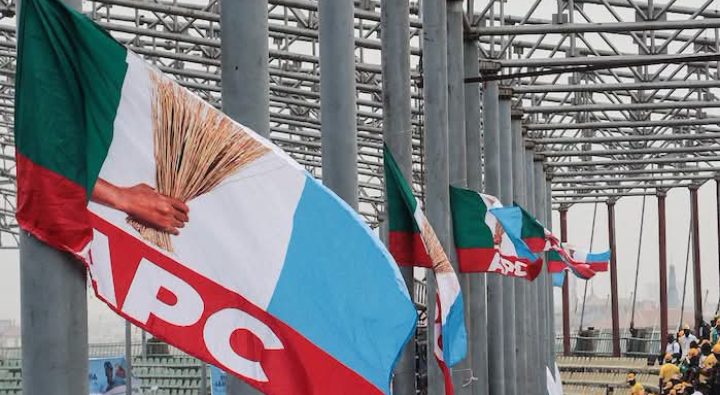
A coalition of support groups aligned with Nigeria’s ruling All Progressives Congress (APC) has unveiled an ambitious nationwide grassroots mobilisation campaign aimed at securing 27 million votes for President Bola Ahmed Tinubu in the 2027 presidential election.
The initiative, announced in Abuja, seeks to consolidate hundreds of pro-Tinubu organisations under a unified platform while expanding political engagement among key grassroots constituencies, including farmers, tricycle operators, artisans, transport workers, traditional institutions, religious leaders, and other community-based groups.
According to the organisers, the campaign is designed to deepen public awareness of the Tinubu administration’s “Renewed Hope” agenda while strengthening voter mobilisation structures across Nigeria’s 36 states and the Federal Capital Territory (FCT).
Coalition Sets Ambitious Electoral Target
The coalition, operating under the banner All Support Groups for President Bola Ahmed Tinubu, said it has registered more than 375 associations and support groups drawn from different sectors of the Nigerian economy and society.
Speaking during the inauguration, National Coordinator and Chief Executive Officer of the coalition, Mukhtar Bala Ibrahim, described the 27-million-vote target as a strategic benchmark intended to secure a decisive electoral mandate for President Tinubu in the next general election.
He explained that the coalition intends to coordinate previously independent support organisations under one umbrella to improve efficiency, avoid duplication of mobilisation efforts, and ensure consistent messaging nationwide.
According to Ibrahim, the coalition will establish functional structures from the polling-unit level through wards and local government areas to facilitate sustained grassroots engagement before the election.
Farmers and Tricycle Operators at the Centre of Mobilisation
One of the defining features of the campaign is its deliberate focus on groups considered influential within Nigeria’s grassroots economy.
The coalition identified farmers as critical stakeholders due to agriculture’s role in employment, food production, and rural livelihoods. Similarly, tricycle operators popularly known as Keke riders were highlighted because of their extensive daily interaction with millions of commuters across urban and semi-urban communities.
Organisers believe these constituencies possess significant mobilisation potential capable of expanding voter participation and increasing awareness of government programmes.
Political observers note that grassroots groups have become increasingly important in Nigerian election campaigns, with parties investing heavily in community-based networks to complement traditional campaign structures.
Bottom-Up Political Strategy
Coalition leaders described the initiative as a “bottom-up” mobilisation strategy rather than a conventional campaign centred solely on national political figures.
The approach prioritises direct engagement at community level through polling-unit coordinators, ward representatives, local government coordinators, and state structures.
According to the organisers, the newly established national coordination office in Abuja will serve as a central hub for campaign planning, volunteer training, data coordination, distribution of campaign materials, and feedback collection from across the federation.
The coalition also intends to deploy volunteers to educate voters about government policies while encouraging wider participation in Nigeria’s democratic process.
Growing Political Activity Ahead of 2027
Although Nigeria’s next general election is still months away, political mobilisation has intensified across the country.
Various APC-affiliated support organisations have recently launched separate initiatives aimed at strengthening support for President Tinubu’s re-election bid. Similar groups have announced plans to establish permanent structures extending to polling units nationwide, reflecting increasing preparations ahead of the election cycle.
Political analysts say such early mobilisation reflects the growing importance political parties attach to grassroots organisation, voter education, and community engagement long before formal campaigns begin.
However, analysts also caution that electoral success ultimately depends on several factors, including voter turnout, public perception of government performance, economic conditions, security, and the credibility of the electoral process.
Tinubu Administration Under Public Scrutiny
President Bola Tinubu’s administration continues to implement wide-ranging economic reforms introduced since assuming office in May 2023.
These include fuel subsidy removal, foreign exchange market reforms, tax policy adjustments, and programmes aimed at attracting investment and improving fiscal sustainability.
While government officials argue that the reforms are necessary to stabilise Nigeria’s economy over the long term, critics have expressed concerns over the rising cost of living, inflation, and the immediate impact on households and businesses.
Against this backdrop, support groups backing the President argue that grassroots engagement offers an opportunity to communicate government policies directly to citizens and address public concerns through sustained interaction at community level.
Opposition parties, meanwhile, are expected to intensify their own mobilisation efforts as preparations for the 2027 elections gather momentum.
Importance of Grassroots Politics
Nigeria’s electoral history demonstrates that grassroots political structures often play a decisive role in determining election outcomes.
Political parties increasingly rely on local coordinators, community associations, professional groups, youth organisations, women groups, transport unions, market associations, and faith-based organisations to reach voters beyond traditional campaign rallies.
The APC coalition believes integrating these existing structures into a coordinated national framework could strengthen campaign efficiency and voter outreach.
Whether the ambitious target of 27 million votes is ultimately achieved remains uncertain, but the announcement signals an early and organised attempt by pro-Tinubu groups to consolidate political support well ahead of the 2027 presidential election.
As Nigeria gradually enters another electoral cycle, analysts expect increased political activity from both the ruling party and opposition platforms, with grassroots mobilisation likely to remain a defining feature of campaign strategies nationwide.
Sources
- Blueprint Newspapers
- Leadership Newspaper
- The PUNCH
- TheCable
- The Guardian Nigeria
- Vanguard
- Premium Times