Reported by Simon yusuph, | Journalist at wengglobal
An extraordinary meeting of the Union of European Football Associations (UEFA) has been scheduled after growing concern among its 55 member associations over FIFA’s reported proposal to allow external investors to acquire stakes in some of world football’s most valuable commercial competitions.
The emergency gathering reflects increasing unease within European football over the potential implications of introducing private investment into tournaments traditionally managed under football’s governing structures. While FIFA has maintained that exploring new financial models could unlock greater commercial opportunities and accelerate the sport’s global development, critics argue that such a move could fundamentally reshape football governance, commercial rights, and competitive integrity.
The development has emerged as one of the most significant governance issues in international football, highlighting the continuing tensions between FIFA’s vision for expanding the global game and UEFA’s commitment to preserving the traditional structures that have long governed European football.
UEFA Seeks Unified Position
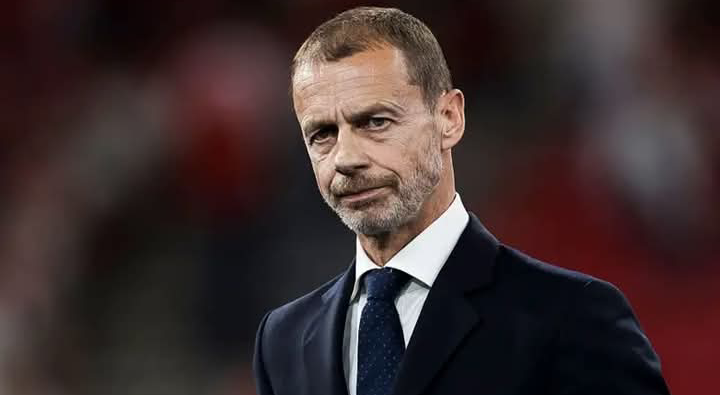
According to multiple reports, UEFA President Aleksander Čeferin has called on all 55 national football associations affiliated with UEFA to participate in an emergency meeting aimed at assessing the implications of FIFA’s investment proposal.
The discussions are expected to focus on several key issues, including:
- The long-term ownership structure of FIFA competitions.
- The role of private equity and institutional investors in football.
- Commercial rights and revenue distribution.
- Governance and regulatory oversight.
- The potential impact on existing UEFA competitions.
European football associations are expected to formulate a common position before any formal negotiations with FIFA advance.
Officials familiar with the discussions indicate that many member associations want greater transparency regarding the proposal before any decisions affecting global football’s commercial future are made.
FIFA’s Investment Vision
Reports indicate that FIFA has been exploring partnerships that could involve selling minority stakes in the commercial rights associated with major international competitions.
Although detailed financial terms have not been officially disclosed, the initiative is believed to be part of FIFA President Gianni Infantino’s broader strategy to generate new revenue streams that can support football development programmes worldwide.
Supporters of the proposal argue that private investment could:
- Increase financial resources available for grassroots football.
- Improve tournament infrastructure.
- Expand investment in women’s football.
- Enhance youth development initiatives.
- Strengthen football development in emerging markets.
FIFA has consistently promoted its objective of making football more globally inclusive by increasing investment opportunities beyond traditional football powers.
Growing Concerns Across Europe
Despite those objectives, UEFA members are reportedly worried that introducing external investors into football’s premier competitions could reduce the independence of football governance.
Critics fear commercial investors may prioritize financial returns over sporting values, potentially influencing decisions surrounding tournament expansion, scheduling, broadcasting rights, and competition formats.
Several football executives have also questioned whether private investment could gradually alter decision-making processes within international football.
Governance experts note that football has historically remained under the control of member associations rather than private shareholders, making the current proposal particularly significant.
Wider Implications for Global Football
The debate extends beyond Europe.
Football analysts suggest any structural changes involving FIFA competitions could affect confederations across Africa, Asia, the Americas and Oceania.
For African football federations, the outcome could influence future development funding, competition revenues and investment opportunities.
Many African football administrators have welcomed initiatives that increase funding for infrastructure and grassroots development, provided governance remains transparent and equitable.
Observers say any major commercial restructuring should carefully balance financial innovation with the interests of national associations, clubs, players and supporters.
Existing FIFA-UEFA Differences
The latest dispute adds to a series of disagreements between FIFA and UEFA in recent years.
The two governing bodies have previously differed over:
- The expansion of the FIFA Club World Cup.
- International match calendars.
- Player welfare concerns.
- Scheduling of major tournaments.
- Commercial rights management.
While both organizations share responsibility for developing football globally, they have often adopted different approaches to balancing commercial growth with sporting traditions.
Industry observers believe the current investment proposal could become one of the defining governance debates in modern football.
Financial Stakes Are Enormous
FIFA oversees some of the world’s most commercially valuable sporting events, including the FIFA World Cup and other international tournaments.
Broadcast rights, sponsorship agreements, licensing partnerships and commercial activities generate billions of dollars during each World Cup cycle.
Any decision involving external investment would therefore represent one of the largest commercial restructurings in international sport.
Sports finance analysts note that institutional investors have increasingly targeted global sporting properties, attracted by predictable revenues and expanding international audiences.
However, football’s unique governance model has historically limited direct ownership opportunities compared with many professional sports leagues.
What Happens Next?
The emergency UEFA meeting is expected to produce a coordinated European response before FIFA advances discussions on the proposal.
While no final decision has yet been announced, the consultations underline the importance of consensus among football stakeholders before implementing reforms that could reshape the governance of the global game.
Should FIFA proceed with the investment plan, negotiations are likely to involve extensive consultations with continental confederations, national football associations and other stakeholders.
For football supporters, the debate represents more than a commercial issue. It raises broader questions about who should control the future of the world’s most popular sport and how financial innovation can coexist with transparency, accountability and competitive integrity.
As discussions continue, football administrators across continents including Africa will closely monitor developments that could influence funding models, governance standards and the long-term direction of international football.
The coming weeks are expected to determine whether FIFA can build sufficient support for its proposal or whether UEFA’s concerns will prompt significant revisions to the investment strategy before any formal implementation.
Sources
- Reuters
- Associated Press (AP)
- BBC Sport
- Sky Sports
- The Athletic
- ESPN FC