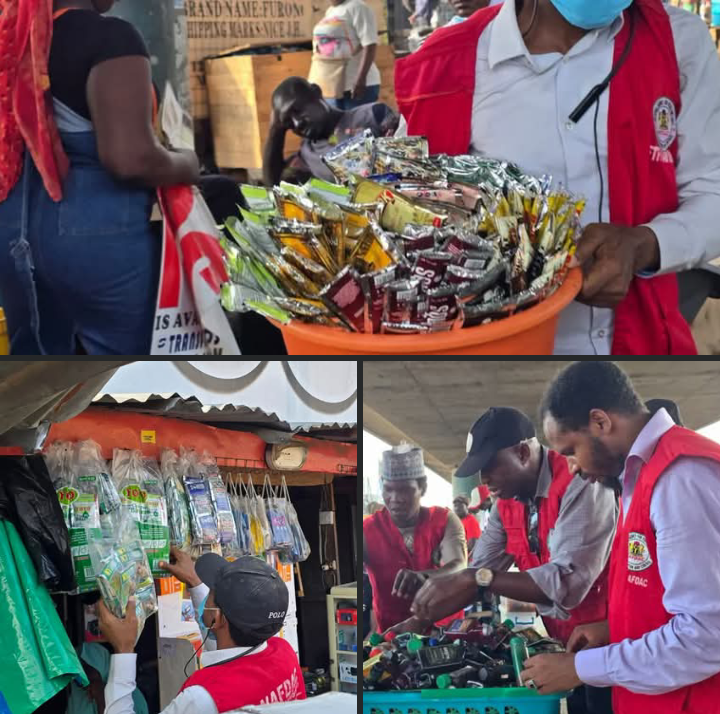
Nigeria’s National Agency for Food and Drug Administration and Control (NAFDAC) has commenced a nationwide enforcement exercise to remove banned alcoholic beverages packaged in sachets and polyethylene terephthalate (PET) bottles smaller than 200 millilitres from circulation, marking a significant step in the country’s efforts to curb alcohol abuse and protect public health.
The nationwide operation signals a renewed commitment by the regulatory agency to enforce existing regulations aimed at limiting access to cheap, high-strength alcoholic drinks, particularly among young people and vulnerable communities. The exercise follows years of consultations with manufacturers, distributors, and other stakeholders after the policy was initially introduced with a phased implementation period.
NAFDAC said the enforcement operation will cover all states of the federation, targeting manufacturers, distributors, wholesalers, retailers, open markets, and other outlets where prohibited alcoholic products may still be available for sale.
A Renewed Push for Public Health
The agency explained that the enforcement is designed to eliminate alcoholic beverages packaged in sachets and PET bottles below 200ml, products that have been identified by public health experts as contributing to harmful alcohol consumption patterns.
According to NAFDAC, the objective is not only to ensure compliance with national regulations but also to reduce the availability of inexpensive alcoholic drinks that are easily accessible to minors and low-income consumers.
Health professionals have long argued that the affordability and portability of sachet alcohol make it easier for underage persons to obtain alcoholic beverages, thereby increasing the risks of alcohol dependence, road accidents, domestic violence, and other social and health-related problems.
The latest enforcement exercise is expected to reinforce Nigeria’s broader public health agenda by promoting responsible alcohol consumption while encouraging manufacturers to comply with approved packaging standards.
Background to the Ban
The restriction on sachet alcohol and PET bottles below 200ml did not emerge suddenly. It followed extensive engagements involving NAFDAC, the Federal Ministry of Health, the Federal Competition and Consumer Protection Commission (FCCPC), the Distillers and Blenders Association of Nigeria (DIBAN), manufacturers, and other industry stakeholders.
Authorities agreed on a phased withdrawal strategy that allowed producers sufficient time to adjust production lines, exhaust existing inventory, and transition to approved packaging formats.
The grace period has since expired, paving the way for full-scale nationwide enforcement.
NAFDAC maintains that the policy aligns with global public health recommendations aimed at reducing harmful alcohol consumption, particularly among young populations.
Nationwide Enforcement Underway
Officials say inspection teams have been deployed across Nigeria to identify and confiscate prohibited alcoholic products wherever they are found.
The operation will focus on ensuring that manufacturers no longer produce banned package sizes while distributors and retailers discontinue stocking or selling them.
Businesses found violating the regulations may face sanctions under Nigeria’s food and drug regulatory laws, including product seizure, fines, and other administrative actions.
NAFDAC urged all stakeholders in the alcohol value chain to cooperate with enforcement officers and comply fully with the regulations.
The agency also encouraged consumers to report outlets selling prohibited products through its established complaint channels.
Industry Adjustments and Compliance
While some manufacturers have already shifted to larger packaging formats in compliance with the regulations, enforcement authorities acknowledge that banned products remain available in parts of the country due to old stock or continued illegal distribution.
Industry operators have previously expressed concerns about the financial implications of the policy, including production adjustments, inventory losses, and potential effects on employment.
However, regulators insist that public health considerations outweigh the economic costs associated with transitioning away from sachet alcohol.
NAFDAC has consistently maintained that responsible manufacturing practices and regulatory compliance are essential for sustaining consumer confidence and ensuring long-term industry growth.
Public Health Experts Welcome the Move
Public health advocates have largely welcomed the renewed enforcement exercise, describing it as a necessary intervention against harmful drinking habits.
Medical professionals note that excessive alcohol consumption contributes to numerous health complications, including liver disease, cardiovascular disorders, mental health challenges, and increased accident risks.
Experts also argue that restricting inexpensive, single-use alcohol packaging can reduce impulse purchases and discourage underage drinking.
Several health organisations have previously called for stricter regulation of alcohol marketing and sales in Nigeria, particularly where products are easily accessible to children and adolescents.
Consumer Awareness Remains Critical
Beyond enforcement, experts believe sustained public education will be crucial to achieving the policy’s long-term objectives.
They recommend continued awareness campaigns highlighting the dangers of excessive alcohol consumption, responsible drinking practices, and the importance of purchasing products that comply with regulatory standards.
NAFDAC has repeatedly emphasized that regulation alone cannot solve alcohol-related public health challenges without the active participation of consumers, manufacturers, retailers, parents, schools, religious institutions, and community leaders.
The agency says collaboration among all stakeholders will be essential to reducing alcohol-related harm across Nigerian society.
Broader Implications for Nigeria
The nationwide enforcement exercise reflects Nigeria’s growing emphasis on preventive healthcare and stronger consumer protection measures.
By enforcing packaging standards, authorities aim to reduce harmful alcohol consumption while strengthening confidence in regulatory oversight.
The initiative also demonstrates the government’s willingness to implement long-standing public health policies despite potential resistance from segments of the industry.
As inspections continue nationwide, consumers, retailers, and manufacturers are expected to comply fully with the regulations to avoid enforcement actions.
For many public health advocates, the success of the campaign will ultimately depend not only on product seizures but also on lasting behavioural change, improved regulatory compliance, and sustained public awareness.
NAFDAC says it remains committed to safeguarding the health of Nigerians by ensuring that only compliant alcoholic beverages remain available in the marketplace.
Sources
- National Agency for Food and Drug Administration and Control (NAFDAC)
- News Agency of Nigeria (NAN)
- Punch Newspapers
- Premium Times
- Channels Television
- The Guardian Nigeria
- Vanguard Nigeria
SEO Tags: NAFDAC, Sachet Alcohol Ban Nigeria, PET Bottle Alcohol, Nigeria Public Health, Alcohol Regulation