Reported by Weng Patrick Atokor | Journalist at Weng Global
ABUJA, Nigeria — Political activist and former Deputy National Publicity Secretary of the All Progressives Congress (APC), Timi Frank, has called for greater transparency and stricter legislative oversight in the implementation of Nigeria’s 2026 federal budget, urging the Federal Government to ensure that public funds are managed in a manner that reflects accountability and value for money.
Frank’s remarks come amid growing public debate over the proposed 2026 budget, with civil society organisations, economists, and opposition figures raising concerns about alleged inflated allocations, questionable expenditure items, and the need for stronger mechanisms to monitor how government funds are spent.
According to Frank, the national budget should remain a tool for economic development rather than becoming a document vulnerable to abuse or political manipulation. He stressed that Nigerians deserve a budgeting process that is transparent from proposal to implementation.
“The budget belongs to the Nigerian people. Every naira allocated must be accounted for, and every project must be visible to citizens,” Frank reportedly stated.
Calls for accountability
Frank argued that effective budget implementation requires stronger collaboration among the executive, legislature, anti-corruption agencies, and civil society organisations. He maintained that public confidence in government spending can only improve when procurement processes are transparent and projects are independently monitored.
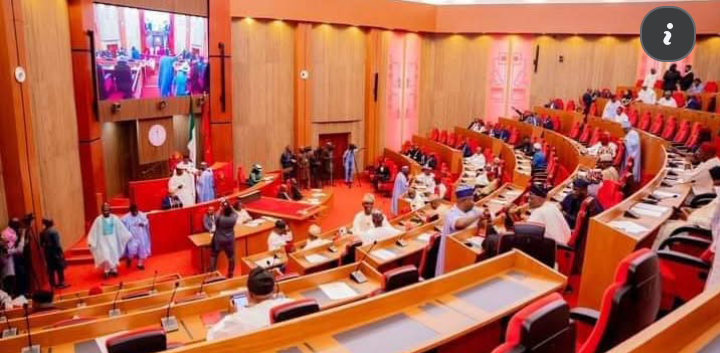
He urged lawmakers to intensify their constitutional oversight responsibilities instead of limiting their role to budget approval. According to him, periodic reviews of implementation, public hearings, and publication of expenditure reports would improve accountability.
The activist also encouraged relevant government agencies to embrace open budgeting practices by making detailed financial information easily accessible to the public.
Concerns over public expenditure
The call comes against the backdrop of ongoing discussions surrounding expenditure priorities in the proposed 2026 fiscal plan. Analysts have questioned whether sufficient resources are being directed toward sectors capable of stimulating economic growth, including infrastructure, agriculture, education, healthcare, and security.
Economic experts have consistently warned that prudent management of public finances is critical as Nigeria continues to contend with inflationary pressures, rising debt obligations, foreign exchange challenges, and unemployment.
Frank said every ministry, department, and agency receiving public funds should be held accountable for project delivery and measurable outcomes.
According to him, citizens should be able to track projects funded through the national budget in their communities without unnecessary bureaucratic barriers.
Importance of legislative oversight
Observers note that legislative oversight remains one of the strongest constitutional mechanisms for ensuring accountability in public finance management.
Budget implementation oversight allows lawmakers to assess whether appropriated funds are spent for approved purposes while ensuring that projects are completed according to specifications and timelines.
Frank called on the National Assembly to strengthen committee monitoring activities and regularly publish implementation reports that Nigerians can independently verify.
He also urged anti-graft agencies to investigate any credible allegations of inflated contracts or diversion of public funds where evidence exists.
Transparency as a governance principle
Transparency advocates argue that open budgeting enhances public trust, discourages corruption, and improves service delivery by allowing citizens to monitor government performance.
Frank said Nigeria’s economic challenges require prudent financial management, adding that leakages in public spending reduce the government’s capacity to invest in essential services and critical infrastructure.
He maintained that budget implementation should focus on delivering tangible benefits rather than merely recording expenditure figures.
According to him, ordinary Nigerians expect improvements in electricity supply, road infrastructure, healthcare, education, food security, and job creation through effective utilisation of public resources.
Experts advocate reforms
Public finance experts have repeatedly recommended reforms aimed at strengthening fiscal discipline, including digital tracking of projects, transparent procurement systems, regular publication of budget performance reports, and increased citizen participation in monitoring government expenditure.
Several civil society organisations have also advocated wider access to budget information, arguing that informed citizens are better positioned to hold public officials accountable.
Analysts believe stronger institutional checks could improve efficiency and reduce waste in public spending while enhancing investor confidence in Nigeria’s governance framework.
Government’s fiscal priorities
The Federal Government has consistently stated that its budgeting priorities are centred on economic growth, infrastructure development, poverty reduction, security enhancement, and social welfare.
Officials have pledged to improve revenue generation, reduce fiscal leakages, and ensure efficient implementation of approved projects.
However, critics maintain that effective implementation remains just as important as budget preparation, insisting that transparency and accountability must accompany every stage of the budgeting process.
Public expectations
As discussions over the 2026 budget continue, stakeholders across the country are calling for responsible fiscal management capable of addressing Nigeria’s pressing socioeconomic challenges.
Many observers believe stronger oversight mechanisms, timely publication of expenditure data, and strict compliance with procurement laws would help improve public confidence in government finances.
Frank concluded by urging Nigerians, civil society organisations, professional bodies, and the media to remain actively engaged in monitoring budget implementation, arguing that accountability is a shared responsibility essential to strengthening democratic governance.
With the 2026 fiscal year expected to shape major government programmes and development initiatives, attention is likely to remain focused on how public resources are allocated, managed, and translated into measurable improvements in citizens’ lives.
Sources: Punch Newspapers, Vanguard News, Daily Trust, Channels Television.