Reported by Simon yusuph,| Journalist at wengglobal
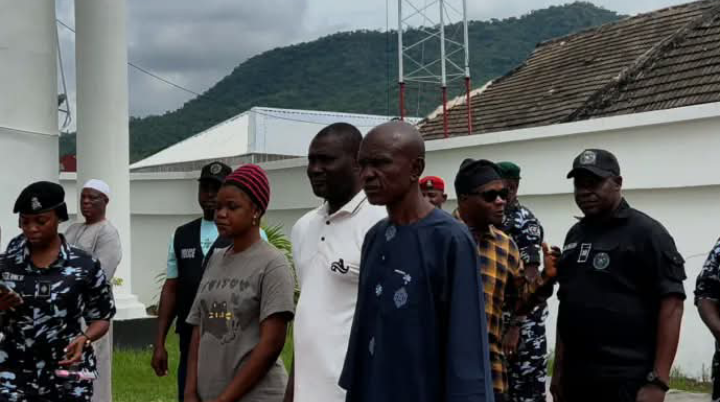
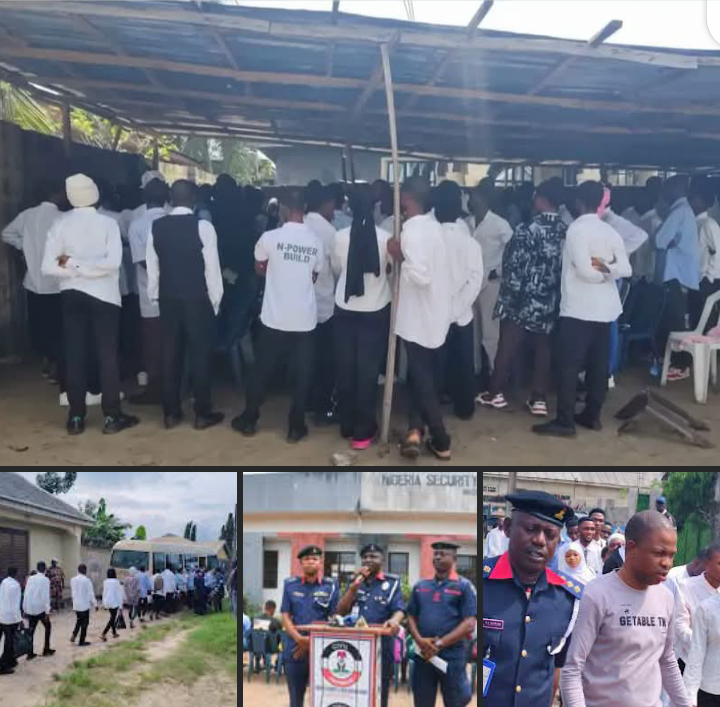
LAGOS, Nigeria — The Nigeria Security and Civil Defence Corps (NSCDC) has dismantled an illegal institution operating as a fake university in Lagos State, rescuing 106 students who were allegedly deceived with promises of securing foreign university admissions and internationally recognized academic qualifications.
The operation, described by authorities as a major breakthrough in the fight against educational fraud, has once again exposed the growing sophistication of criminal networks exploiting the aspirations of young Nigerians seeking quality higher education and international opportunities.
According to the NSCDC, the fraudulent institution had been operating under the guise of a legitimate university, targeting prospective students and their families with false claims of internationally accredited degree programmes and guaranteed pathways to overseas education. Many of the victims reportedly paid significant sums in tuition and administrative fees, believing they were enrolling in a recognized academic institution.
The security agency said the rescue operation followed weeks of intelligence gathering and investigations into suspicious activities surrounding the establishment. Officers stormed the premises, uncovering evidence that the institution lacked legal authorization to operate as a university while misleading students into believing they were pursuing legitimate academic qualifications.
Authorities confirmed that 106 students were rescued during the operation. Many were reportedly shocked upon learning that the institution had no legal recognition and that the certificates they expected to obtain would carry no academic value.
The discovery underscores the increasing threat posed by education-related scams in Nigeria, where thousands of young people compete each year for limited spaces in accredited tertiary institutions. Criminal syndicates have increasingly exploited this demand by creating fake schools, offering counterfeit certificates, and advertising fraudulent international admission opportunities through social media and online platforms.
Officials of the NSCDC said investigations are ongoing to identify the operators, financiers, and collaborators behind the illegal institution. The agency also indicated that more arrests could follow as investigators examine financial records, student recruitment channels, and suspected connections to wider fraud networks.
The Corps reiterated its commitment to protecting Nigerians from criminal enterprises that exploit vulnerable citizens. It emphasized that educational fraud not only causes severe financial losses but also damages the future prospects of students whose academic ambitions are manipulated for profit.
Education experts say the incident reflects broader systemic challenges facing Nigeria’s higher education sector. With increasing demand for university admission and limited capacity in public institutions, many students seek alternative routes into higher education. Fraudsters often exploit this desperation by presenting convincing websites, forged accreditation documents, fabricated partnerships with foreign universities, and professionally designed promotional materials.
Analysts note that many fake institutions imitate the branding and operational structures of legitimate universities, making it difficult for prospective students and parents to distinguish between genuine and fraudulent establishments. Some even claim affiliations with international institutions without authorization.
The National Universities Commission (NUC), the statutory body responsible for regulating university education in Nigeria, has repeatedly warned members of the public against enrolling in institutions that are not officially accredited. The Commission periodically publishes updated lists of licensed universities and illegal degree-awarding institutions while urging students to verify accreditation before making payments.
Education stakeholders argue that stronger public awareness campaigns are needed to reduce the incidence of such scams. They recommend that prospective students confirm the accreditation status of any institution directly through the NUC before accepting admission offers or paying tuition fees.
Parents have also been encouraged to conduct thorough background checks on institutions advertising foreign degree programmes or guaranteed overseas admissions. Experts advise verifying official registration, accreditation status, campus location, and partnerships with recognized international universities.
The Lagos operation highlights the growing collaboration between security agencies and education regulators in tackling academic fraud. Authorities believe coordinated intelligence sharing will help dismantle similar illegal institutions operating across different parts of the country.
The rescue of the affected students has also raised concerns about the psychological and financial impact on victims and their families. Many invested substantial resources with the hope of obtaining quality education and improving their future career prospects. Education advocates have called for counselling and guidance services to assist the rescued students in transitioning into legitimate educational pathways.
Legal experts note that individuals convicted of operating illegal educational institutions may face charges including obtaining money under false pretences, conspiracy, forgery, impersonation, and violations of Nigeria’s education regulations. Depending on the outcome of investigations, suspects could face significant prison terms if found guilty.
The NSCDC has urged Nigerians to remain vigilant against fraudulent educational schemes, particularly those promising unrealistic guarantees such as automatic foreign admissions, instant degree programmes, or internationally recognized certificates without proper academic processes.
Security officials further encouraged members of the public to report suspicious institutions to relevant authorities, emphasizing that community cooperation remains essential in preventing similar crimes.
The latest operation serves as a reminder of the importance of due diligence before enrolling in any educational institution. Prospective students are advised to verify accreditation through official government channels, request evidence of licensing, and avoid making payments to institutions that cannot provide verifiable documentation.
As investigations continue, the NSCDC says it remains committed to dismantling criminal networks undermining Nigeria’s education system and protecting citizens from fraudulent schemes that exploit their aspirations. The agency reaffirmed that safeguarding the integrity of education is essential to national development and public confidence in the country’s academic institutions.
For Nigeria, the incident also highlights the urgent need to strengthen oversight of private educational providers, improve public access to accreditation information, and intensify enforcement against illegal operators seeking to profit from the dreams of young people.
The rescue of 106 students marks a significant victory in that effort, but it also serves as a cautionary tale about the growing sophistication of education fraud and the importance of verifying every admission offer before taking the next academic step.
Sources:
- Nigeria Security and Civil Defence Corps (NSCDC)
- National Universities Commission (NUC)
- Premium Times Nigeria
- Punch Newspapers
- Vanguard Nigeria
- The Guardian Nigeria
- Channels Television
- Leadership Newspaper