Reported by Simon yusuph, | Journalist at wengglobal
The recent wave of deadly attacks in Nigeria’s Plateau State has once again drawn international attention after a United States-based missionary publicly condemned the killings, describing them as a deliberate campaign of violence against vulnerable communities.
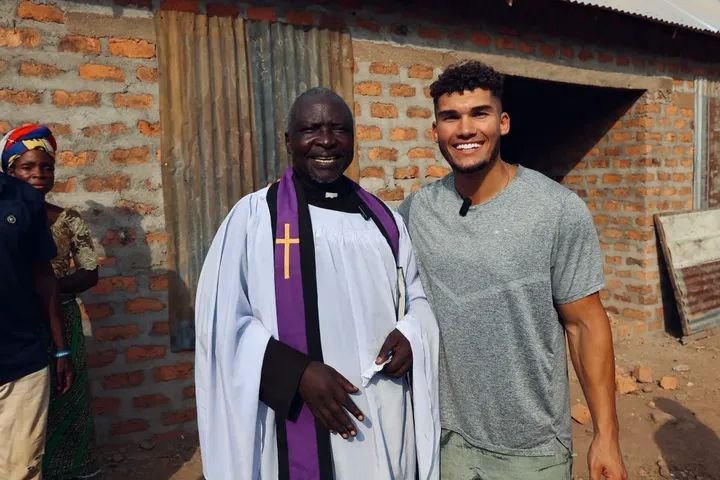
American missionary Alex Barbir expressed outrage over the latest attacks, alleging that nine relatives of a Nigerian pastor were “hunted and slaughtered” during the violence. His remarks have reignited global concern over the worsening security situation in Plateau State, where repeated communal clashes and armed attacks have claimed hundreds of lives over the past several years.
In a public statement shared on social media, Barbir said the victims were members of the extended family of a Christian pastor serving in Plateau State. According to him, the relatives were killed by armed assailants whom he described as terrorists, adding that the incident represents another tragic chapter in Nigeria’s long-running security crisis.
Barbir urged the international community, governments, religious organizations, and human rights advocates to pay closer attention to the escalating violence in Nigeria’s Middle Belt. He called for greater diplomatic engagement and stronger measures to protect civilians, particularly rural communities that have repeatedly suffered deadly attacks.
The missionary’s comments come amid renewed scrutiny of the persistent insecurity affecting Plateau State and neighboring parts of central Nigeria. The region has experienced recurring outbreaks of violence involving armed groups, criminal gangs, and communal conflicts over land, farming, grazing rights, and ethnic and religious tensions.
Although Barbir characterized the attackers as terrorists targeting Christian communities, Nigerian authorities have consistently maintained that many of the conflicts in Plateau are complex, involving criminality, resource competition, reprisals, and long-standing communal disputes. Security analysts have also cautioned against reducing the crisis to a single narrative, noting that multiple factors continue to fuel instability across the state.
In recent years, Plateau State has witnessed numerous attacks on villages, with women, children, and elderly residents often among the casualties. Many communities have also experienced widespread displacement, destruction of homes, and loss of livelihoods, creating a prolonged humanitarian challenge.
Local leaders have repeatedly appealed to the Federal Government to strengthen security operations and improve intelligence gathering to prevent further attacks. Community organizations have likewise called for justice for victims and more effective prosecution of those responsible for orchestrating violence.
Humanitarian groups operating in the region have warned that repeated attacks continue to worsen food insecurity, disrupt agricultural production, and force thousands of residents into internally displaced persons (IDP) camps. The destruction of farmland has compounded economic hardship in communities that rely heavily on agriculture for survival.
President Bola Ahmed Tinubu’s administration has on several occasions pledged to restore peace in Plateau State. Following previous attacks, the Federal Government directed security agencies to intensify operations aimed at dismantling criminal networks responsible for violence across affected communities. Military and police deployments have also been increased in several local government areas considered vulnerable.
However, despite these interventions, attacks have continued to occur intermittently, prompting criticism from civil society organizations, religious leaders, and international observers who argue that stronger preventive measures are needed.
Alex Barbir’s statement has resonated widely among Christian advocacy groups abroad, many of which have continued to campaign for increased international awareness of the security challenges confronting communities in Nigeria’s Middle Belt. Several organizations have renewed calls for comprehensive investigations into attacks and improved protection for civilians regardless of ethnicity or religion.
Security experts stress that sustainable peace in Plateau State will require more than military operations. They argue that addressing underlying grievances—including disputes over land ownership, access to natural resources, weak local governance, poverty, youth unemployment, and the proliferation of illegal firearms—is essential to preventing future violence.
Analysts also emphasize the importance of dialogue between affected communities, strengthened judicial accountability, and long-term socio-economic development to rebuild trust among diverse ethnic and religious groups living in the region.
International human rights organizations have consistently urged Nigerian authorities to investigate attacks thoroughly, prosecute perpetrators regardless of affiliation, and ensure justice for victims. They have also encouraged authorities to improve early-warning systems capable of detecting and responding to emerging security threats before violence escalates.
As attention returns to Plateau State following Barbir’s remarks, families affected by the attacks continue to mourn loved ones while many displaced residents remain uncertain about when they can safely return home.
The tragedy underscores the continuing human cost of insecurity in central Nigeria and highlights the urgent need for coordinated action involving federal and state authorities, security agencies, community leaders, religious institutions, humanitarian organizations, and international partners.
For many observers, lasting peace in Plateau State will depend not only on bringing perpetrators to justice but also on addressing the structural causes that have allowed cycles of violence to persist for decades. Until then, communities across the region remain vulnerable to renewed attacks, while calls for accountability and stronger civilian protection continue to grow both within Nigeria and internationally.
Sources:
- Reuters
- Associated Press (AP)
- BBC News
- Daily Trust
- Premium Times
- Channels Television
- The Punch
- Vanguard News
- Amnesty International (background reporting on violence in Nigeria’s Middle Belt)
- Human Rights Watch (background reports on insecurity in Nigeria)