Reported by Simon yusuph, | Journalist at wengglobal
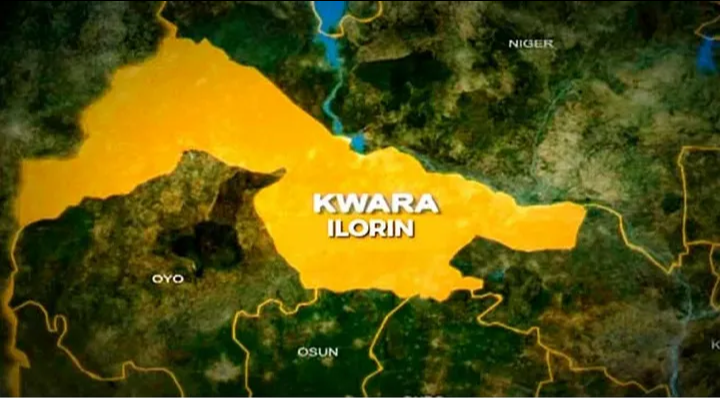
The Kwara State Government has intensified efforts to eliminate illegal roadblocks and unauthorized fee collection across the state with the implementation of a digital haulage fee collection system, a reform aimed at strengthening internally generated revenue (IGR), improving the ease of doing business, and protecting transporters from multiple and unlawful levies.
The initiative represents one of the state’s most significant revenue administration reforms in recent years, as authorities seek to replace manual collections with a transparent, technology-driven process that minimizes leakages while creating a more predictable operating environment for businesses involved in the movement of agricultural produce, solid minerals, construction materials, and other commercial goods.
According to the Kwara State Government, the digital system is designed to ensure that only officially approved haulage fees are collected through authorized channels, effectively ending the activities of illegal collectors who have long established unauthorized checkpoints on roads across the state.
State officials say the reform is expected to increase public confidence in government revenue collection while reducing the financial burden on transport operators who have often complained of paying multiple illegal charges before reaching their destinations.
Digital Reform Targets Revenue Leakages
The introduction of the electronic haulage fee platform forms part of Kwara State’s broader digital governance strategy aimed at modernizing public service delivery and improving accountability in revenue administration.
For years, transporters moving goods within and across the state have raised concerns over unauthorized roadblocks where individuals or groups demanded unofficial payments. Such practices not only increased transportation costs but also slowed commercial activities and contributed to higher prices of goods reaching consumers.
With the new digital framework, payments are expected to be made through secure electronic channels, enabling government agencies to verify transactions in real time and reducing opportunities for fraud, extortion, and revenue diversion.
Officials maintain that legitimate revenue collection remains essential for financing public infrastructure and development projects, but insist that such collections must be conducted transparently and in accordance with existing laws.
Crackdown on Illegal Roadblocks
As part of the enforcement measures accompanying the digital rollout, security agencies and relevant government task forces have been directed to dismantle illegal checkpoints and identify individuals collecting unauthorized fees from motorists and haulage operators.
The state government warned that no individual, union, association, or private group has the authority to establish roadblocks or demand payments outside officially designated government channels.
Authorities stressed that anyone found engaging in illegal fee collection would face sanctions under applicable state laws.
The enforcement campaign is also intended to restore confidence among investors and transport companies that rely on efficient logistics to move goods across Kwara and neighbouring states.
Industry stakeholders have consistently argued that illegal checkpoints increase transportation costs, delay deliveries, and discourage investment in sectors such as agriculture, mining, manufacturing, and construction.
Improving the Ease of Doing Business
Beyond revenue generation, the digital haulage system aligns with broader efforts to improve the ease of doing business in Kwara State.
Across Nigeria, state governments are increasingly embracing digital payment systems to simplify tax administration, reduce human contact in revenue collection, and improve transparency.
Analysts note that predictable and transparent revenue systems help businesses plan their operations more effectively while reducing opportunities for corruption.
For transport operators, replacing multiple roadside payments with a standardized digital process is expected to reduce travel delays, improve efficiency, and lower operational risks.
The reform could also strengthen confidence among investors considering Kwara as a logistics, agricultural, and industrial hub within Nigeria’s North Central region.
Economic Significance for Kwara State
Kwara occupies a strategic location linking Nigeria’s northern and southern regions, making it an important transit corridor for commercial transportation.
The movement of agricultural produce, livestock, construction materials, manufactured goods, and mineral resources contributes significantly to economic activity within the state.
By strengthening regulation of haulage operations, the government aims to capture legitimate revenue while ensuring that transporters operate under a fair and transparent system.
Economic experts have long argued that digital revenue collection helps governments improve fiscal planning by providing accurate transaction records and reducing dependence on cash-based systems that are more vulnerable to leakages.
If effectively implemented, the initiative could contribute to improved public revenue without imposing additional unauthorized costs on businesses.
Stakeholders Expected to Benefit
Several categories of stakeholders stand to benefit from the reform.
Transport companies are expected to experience fewer disruptions caused by illegal checkpoints, while traders and manufacturers could benefit from more efficient movement of goods.
Farmers transporting agricultural produce may also see reduced logistics costs if unofficial roadside payments are eliminated.
Government agencies, meanwhile, are expected to gain access to more reliable revenue data, allowing for better monitoring, budgeting, and policy planning.
Consumers could also benefit indirectly if lower transportation costs help moderate the prices of goods transported through the state.
Challenges Ahead
While the digital initiative has been widely welcomed as a positive governance reform, experts caution that sustained enforcement will be critical to its long-term success.
The government will need to ensure adequate public awareness so that transporters understand the new payment procedures and can distinguish legitimate government agents from illegal collectors.
Continuous monitoring, effective collaboration with security agencies, and accessible complaint channels will also be necessary to prevent the re-emergence of unauthorized checkpoints.
Technology infrastructure, payment accessibility, and prompt resolution of disputes will equally determine how efficiently the system operates.
Experts note that digital reforms often succeed when accompanied by strong institutional oversight, regular stakeholder engagement, and transparent accountability mechanisms.
A Broader Trend in Digital Governance
Kwara’s digital haulage initiative reflects a wider shift among Nigerian state governments toward technology-enabled governance.
Across the country, governments are adopting electronic platforms for tax payments, licensing, land administration, and public financial management as part of efforts to improve transparency and increase internally generated revenue.
International development institutions have consistently encouraged digital public finance reforms as tools for reducing corruption, improving service delivery, and strengthening public trust.
For Kwara, the success of the haulage fee system could serve as a model for additional digital reforms across other sectors of government administration.
Ultimately, the state’s crackdown on illegal roadblocks and unauthorized fee collection signals a commitment to creating a more transparent business environment while protecting legitimate government revenue.
If consistently enforced, the initiative has the potential to improve logistics efficiency, strengthen investor confidence, reduce unnecessary costs for transport operators, and contribute to sustainable economic growth in Kwara State.
Sources
- Kwara State Government (official statements and announcements)
- News Agency of Nigeria (NAN)
- The Punch
- Premium Times
- Vanguard Nigeria
- The Guardian Nigeria
- Leadership Newspaper
- Daily Trust