Reported by Simon yusuph, | Journalist at wengglobal
The 2026 FIFA World Cup has delivered memorable football, stunning upsets, and record-breaking performances across the United States, Canada, and Mexico. Yet, alongside the spectacular goals and dramatic knockout-stage clashes, another recurring storyline has dominated headlines—the continued influence of the Video Assistant Referee (VAR).
Introduced to improve the accuracy of officiating, VAR remains one of football’s most debated technological innovations. While the system has corrected several clear and obvious errors, it has also sparked fierce criticism from players, coaches, pundits, and supporters who argue that certain interventions have altered the flow and outcome of crucial matches.
As the tournament progresses, several VAR decisions have become defining moments, generating heated discussions across social media, television studios, and football governing bodies. From controversial offside calls to disputed penalties and potential red-card incidents, the technology has once again become almost as prominent as the football itself.
Below, WengGlobal examines the ten biggest VAR controversies that have shaped the 2026 FIFA World Cup so far.
1. Spain’s Disallowed Goal Against Brazil
One of the tournament’s earliest controversies came when Spain had what appeared to be a legitimate goal ruled out after an extended VAR review against Brazil.
Officials concluded that an attacking player was marginally offside during the build-up. The decision divided opinion, with many former referees supporting the ruling under FIFA’s Laws of the Game, while numerous fans questioned whether such minimal margins reflected the spirit of football.
The incident reignited calls for reforms to the offside law.
2. France Awarded Late Penalty After VAR Review
France benefited from one of the most dramatic VAR interventions of the tournament after officials overturned the referee’s original decision and awarded a late penalty following a review of a challenge inside the penalty area.
The spot-kick proved decisive, prompting the opposing team to question the consistency of similar decisions throughout the competition.
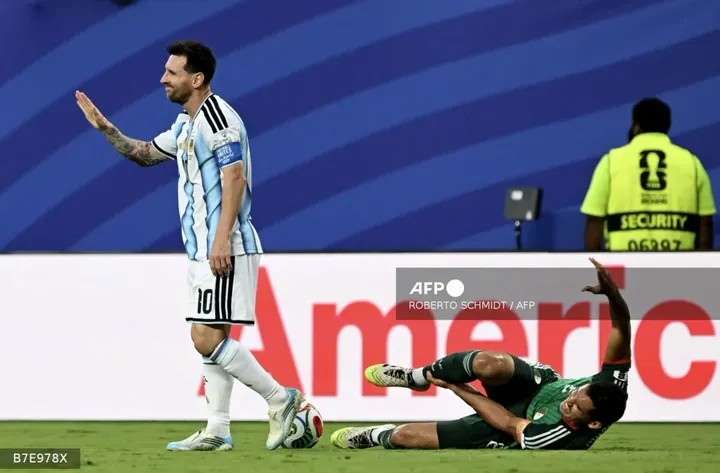
3. Argentina’s Goal Cancelled Following Build-Up Foul
Argentina celebrated what looked like a match-winning goal before VAR advised the referee to review an earlier challenge in the attacking phase.
After reviewing the pitch-side monitor, the referee ruled that a foul had occurred during the move, cancelling the goal.
The lengthy review drew criticism over delays and the level of scrutiny applied to attacking sequences.
4. England’s Penalty Appeal Rejected
England players strongly appealed for a penalty after a defender appeared to handle the ball inside the box.
VAR conducted a silent review but declined to recommend an on-field review, concluding that the contact did not constitute a punishable handball.
The decision generated intense debate among former players and analysts, many arguing that similar incidents had resulted in penalties elsewhere during the tournament.
5. Germany’s Equaliser Stood Despite Offside Debate
Germany’s dramatic equaliser in a knockout fixture survived a lengthy VAR review despite protests from the opposition.
Officials determined that the attacking player was onside by an extremely narrow margin.
The incident once again highlighted football’s continued struggle with marginal offside decisions measured by technology.
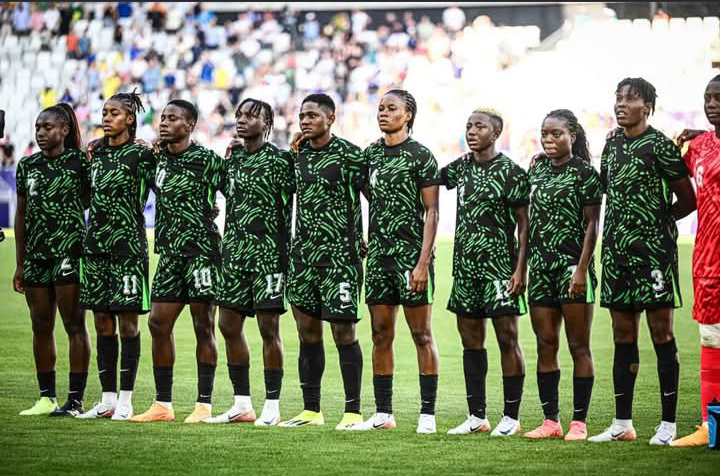
6. Nigeria’s Penalty Incident Sparks African Debate
Nigeria became involved in one of Africa’s most discussed VAR moments after the Super Eagles were denied a penalty despite appeals for a foul inside the area.
VAR reviewed the challenge but supported the referee’s original decision.
The incident triggered widespread reactions across African football circles, with former internationals and analysts divided over whether Nigeria should have received a spot-kick.
For many supporters, the decision underscored continuing concerns about consistency in major international tournaments.
7. Red Card Upgraded After VAR Intervention
In another high-profile incident, a yellow card shown during a heated challenge was upgraded to a straight red after VAR recommended an on-field review.
The dismissal significantly altered the balance of the match, with the reduced team eventually losing.
While many experts agreed the tackle endangered the opponent, others questioned why similar challenges earlier in the tournament had not received identical punishment.
8. Mexico Goal Ruled Out for Goalkeeper Interference
Hosts Mexico experienced heartbreak when a crucial goal was disallowed after VAR determined an attacker had interfered with the goalkeeper before the ball entered the net.
Although the decision aligned with FIFA’s interpretation of the Laws of the Game, home supporters expressed frustration over what they viewed as minimal contact.
The controversy dominated post-match discussions throughout North America.
9. Croatia’s Penalty Retaken
One of the most unusual VAR moments involved Croatia being ordered to retake a penalty after video review showed the goalkeeper had moved off the goal line before the kick.
The second attempt was converted successfully.
The decision highlighted VAR’s increasing role in enforcing technical aspects of the game beyond goals and fouls.
10. Missed Handball Sparks Global Debate
Perhaps the tournament’s most contentious moment occurred when officials decided against awarding a penalty despite widespread television replays suggesting a defender had handled the ball.
VAR concluded there was insufficient evidence of a deliberate offence, allowing play to continue.
The decision sparked criticism from supporters, former referees, and football commentators worldwide, many describing it as one of the defining officiating controversies of the World Cup.
VAR Continues to Divide Football
The 2026 FIFA World Cup demonstrates that VAR remains both an essential officiating tool and a persistent source of controversy.
Supporters of the technology argue that it has prevented numerous clear refereeing mistakes, ensuring fairer outcomes in critical matches. FIFA has consistently maintained that VAR exists to correct “clear and obvious errors” while preserving the authority of the on-field referee.
Critics, however, contend that long delays, inconsistent interpretations, and microscopic offside decisions continue to undermine football’s spontaneity and emotional appeal. Several coaches participating in the tournament have also called for greater transparency, including the public release of audio conversations between referees and VAR officials, similar to practices adopted in some domestic competitions.
Football lawmakers continue to evaluate possible improvements, including changes to offside technology, communication with supporters inside stadiums, and more consistent application of review protocols.
As the tournament enters its decisive stages, further controversial decisions could shape the race for football’s biggest prize. Whether celebrated as a safeguard for fairness or criticised for interrupting the game’s natural rhythm, VAR remains one of the defining talking points of modern football—and the 2026 FIFA World Cup has once again placed it firmly under the global spotlight.
Sources
- FIFA
- International Football Association Board (IFAB)
- Reuters
- BBC Sport
- Sky Sports
- ESPN
- The Athletic
- Associated Press (AP)