Reported by Simon yusuph, | Journalist at wengglobal
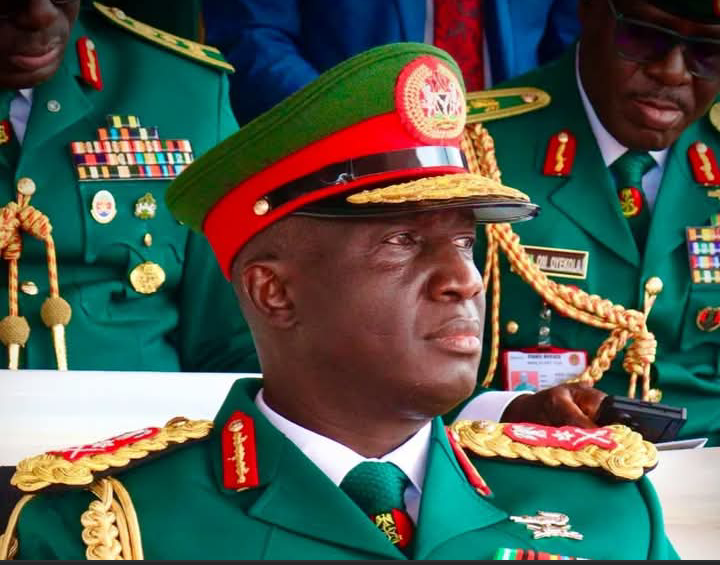
Civil Society Organisations (CSOs) have commended the Chief of Army Staff (COAS), Lieutenant General Olufemi Oluyede, for implementing policies aimed at improving troop welfare and strengthening Nigeria’s ongoing counter-terrorism operations, describing the initiatives as critical to boosting the morale and operational effectiveness of personnel confronting the country’s persistent security challenges.
The commendation comes at a time when Nigeria continues to confront insurgency in the North-East, banditry across the North-West, violent extremism, kidnapping, and other forms of criminality that have continued to test the nation’s security architecture. Observers argue that sustaining military operations requires not only modern equipment and intelligence but also consistent investment in the welfare and well-being of frontline troops.
According to several civil society groups, the Nigerian Army under Lieutenant General Oluyede has demonstrated a renewed commitment to addressing the welfare needs of officers and soldiers while simultaneously intensifying military operations against terrorist and criminal groups operating across different parts of the country.
The organisations noted that the welfare-focused approach has translated into improved motivation among personnel deployed in various theatres of operation. They argued that soldiers who are adequately supported through better accommodation, healthcare, logistics, timely payment of entitlements, and family welfare programmes are more likely to remain committed to the demanding task of safeguarding national security.
In a statement issued after assessing recent developments within the Nigerian Army, the CSOs praised the Army leadership for combining operational efficiency with reforms that place soldiers at the centre of institutional planning. They described the approach as an important shift capable of strengthening confidence within the armed forces while enhancing public trust in Nigeria’s military institutions.
The groups also acknowledged the Army’s sustained offensive operations against terrorist networks and armed criminal gangs, noting that coordinated military campaigns have continued to disrupt insurgent activities, recover weapons, destroy terrorist camps, and rescue kidnapped victims in several parts of the country.
According to the CSOs, the Nigerian Army has shown resilience despite the evolving nature of security threats confronting the country. They urged the Federal Government to sustain investment in defence infrastructure, intelligence gathering, surveillance technology, and personnel welfare to consolidate recent gains recorded by security forces.
Security analysts have consistently maintained that troop welfare is a critical pillar of military effectiveness. Beyond salaries and allowances, comprehensive welfare includes access to quality medical care, improved barracks, adequate operational equipment, insurance schemes, psychological support, and educational opportunities for military families.
Experts argue that when these needs are addressed, troops are better positioned to maintain high operational standards, withstand prolonged deployments, and effectively confront sophisticated terrorist organisations and criminal networks.
The CSOs further observed that morale remains one of the most decisive factors in military success, particularly in prolonged counter-insurgency campaigns where soldiers often operate under harsh environmental and psychological conditions.
They said recent initiatives by the Army leadership reflect an understanding that national security depends not only on battlefield victories but also on the long-term welfare and motivation of personnel entrusted with defending the country.
Nigeria has spent more than a decade battling Boko Haram insurgents, Islamic State West Africa Province (ISWAP) fighters, armed bandits, kidnappers, and separatist violence across different regions. The security challenges have required continuous adaptation by military commanders through intelligence-led operations, joint security collaborations, and improved community engagement.
Military authorities have repeatedly stressed that counter-terrorism operations are becoming increasingly intelligence-driven, with closer cooperation among the Nigerian Army, Air Force, Navy, intelligence agencies, police, and local communities.
Civil society organisations acknowledged these collaborative efforts, saying stronger coordination among security agencies has contributed to disrupting criminal networks and reducing the operational capabilities of terrorist groups in several affected communities.
The organisations also called on citizens to continue supporting security agencies by providing credible information capable of preventing attacks and facilitating the arrest of criminal elements. According to them, community participation remains essential in addressing modern security threats that often exploit isolated and vulnerable communities.
They further urged policymakers to sustain reforms that improve transparency, accountability, and professionalism within the armed forces while ensuring that military personnel receive adequate resources to carry out their constitutional responsibilities.
Observers believe that public recognition of the sacrifices made by members of the armed forces is equally important in maintaining morale. Thousands of Nigerian soldiers remain deployed across multiple operational theatres under difficult conditions, often spending extended periods away from their families while confronting heavily armed adversaries.
The CSOs therefore encouraged continued national support for military personnel, noting that the security of lives, property, and critical national infrastructure depends significantly on the dedication of frontline troops.
The groups also expressed optimism that ongoing reforms under the current Army leadership would strengthen institutional capacity, improve operational readiness, and contribute to long-term peace and stability across Nigeria.
While acknowledging that security challenges persist, they maintained that consistent welfare improvements, combined with strategic military operations and stronger inter-agency cooperation, offer a sustainable pathway toward weakening terrorist organisations and restoring normalcy in affected communities.
For many security experts, Nigeria’s experience demonstrates that military success is inseparable from the welfare of those serving on the frontlines. As the country continues its campaign against terrorism and violent crime, policies that prioritise personnel welfare alongside operational effectiveness are increasingly viewed as essential components of national security strategy.
The commendation by civil society organisations therefore underscores a broader consensus that strengthening the morale, welfare, and professional capacity of Nigerian troops remains fundamental to achieving lasting security, protecting civilians, and preserving national stability.
As Nigeria confronts evolving security threats, analysts say sustained government support, improved military welfare programmes, technological advancement, and continued collaboration between security agencies and citizens will remain indispensable in securing the nation’s future.
Sources
- Nigerian Army (Official Statements)
- News Agency of Nigeria (NAN)
- Premium Times Nigeria
- Vanguard Nigeria
- The Punch
- Daily Trust
- Channels Television