Reported by Weng Patrick Atokor | Journalist at Weng Global
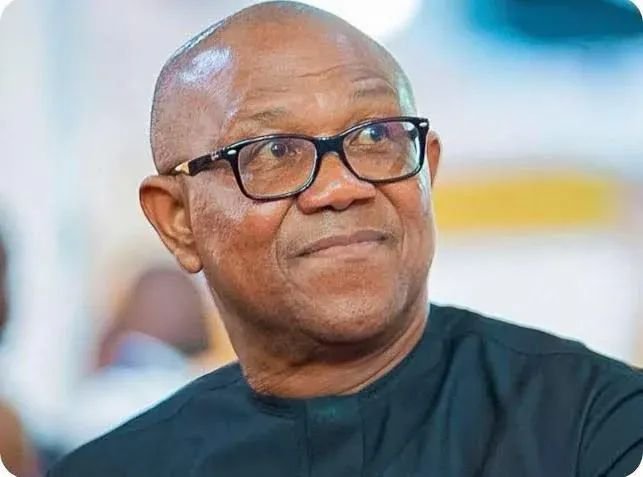
Former Labour Party presidential candidate, Peter Obi, has welcomed the Federal Government’s decision to suspend the proposed increase in examination fees for the West African Senior School Certificate Examination (WASSCE) and the National Examinations Council (NECO), describing the move as a significant victory for Nigerian families and students struggling under the country’s worsening economic conditions.
Obi’s reaction followed widespread public criticism over reports that examination fees could be increased amid soaring inflation, rising transportation costs, and increasing financial hardship faced by millions of households across the country. The proposed adjustment had generated concerns among parents, education stakeholders, labour unions, and civil society organisations, many of whom argued that higher examination fees would further deny thousands of students access to secondary school certification.
In a statement released on Sunday, Obi said the government’s decision to halt the proposed fee hike demonstrated the importance of listening to citizens and responding to legitimate public concerns.
According to him, education remains one of the most effective tools for national development and should never become inaccessible because of financial barriers.
“The suspension of the planned increase in WASSCE and NECO examination fees is a welcome development. It is a victory for the Nigerian people, especially millions of parents and students who are already burdened by the current economic realities,” Obi said.
He noted that many Nigerian families are already struggling to afford basic necessities due to rising inflation, high food prices, increased transportation costs, and declining purchasing power.
Protecting access to education
Obi stressed that making education affordable should remain a top priority for every responsible government.
He argued that increasing examination fees at a time when citizens are battling severe economic hardship would have placed additional pressure on vulnerable families and could have forced many students to abandon their educational ambitions.
According to the former governor, governments should focus on expanding educational opportunities rather than introducing policies that could limit access to learning.
He urged policymakers to adopt people-centred economic decisions capable of protecting the welfare of ordinary Nigerians while ensuring sustainable investment in the education sector.
Obi further stated that no child should be prevented from sitting for national examinations because of financial constraints.
He added that investing in education is ultimately an investment in Nigeria’s future economic growth, innovation, and national stability.
Public pressure influences decision
The suspension of the proposed fee increase followed intense public debate across Nigeria.
Parents’ associations, education advocacy groups, student organisations, and civil society groups had raised concerns over reports suggesting that examination fees could rise significantly.
Critics argued that the planned increase would disproportionately affect low-income households, particularly in rural communities where poverty rates remain high.
Many stakeholders maintained that the government should instead explore alternative funding mechanisms for examination bodies without transferring the financial burden directly to parents.
Several education experts also warned that higher examination costs could increase school dropout rates and widen educational inequality.
Following the growing backlash, the Federal Government announced that the proposed fee adjustment would be suspended pending further consultations with relevant stakeholders.
The decision was widely welcomed by parents, teachers, school administrators, and students across the country.
Economic realities affecting education
Nigeria’s education sector has continued to face numerous challenges ranging from inadequate funding and infrastructure deficits to teacher shortages and declining purchasing power among families.
The country’s inflation rate has significantly increased the cost of education, affecting tuition, textbooks, uniforms, transportation, and other learning materials.
Many parents have reported difficulties meeting school-related expenses despite making significant sacrifices to keep their children in school.
Education analysts note that any additional financial burden, including examination fee increases, could discourage school attendance and reduce examination participation among students from economically disadvantaged backgrounds.
The suspension of the proposed increase has therefore been viewed by many observers as a timely intervention capable of easing financial pressure on households.
Calls for broader education reforms
While applauding the government’s decision, Obi urged authorities not to stop at suspending the fee increase.
He called for comprehensive reforms aimed at improving the quality, affordability, and accessibility of education across Nigeria.
According to him, increased investment in schools, teachers, educational infrastructure, digital learning, and examination administration would produce better long-term outcomes than imposing higher costs on students.
He also advocated greater transparency in the funding and management of public education institutions.
Obi reiterated his long-standing position that education should be treated as a strategic national investment rather than merely an expenditure.
He maintained that countries that have achieved sustainable development consistently prioritise education and human capital development.
Stakeholders welcome development
Education stakeholders have also expressed relief following the suspension of the proposed fee increase.
Many parents described the government’s decision as compassionate, noting that it would prevent additional financial hardship for families preparing candidates for WASSCE and NECO examinations.
Teachers’ associations and school proprietors similarly welcomed the move, arguing that maintaining affordable examination fees would encourage higher student participation.
Some civil society organisations, however, urged the Federal Government to engage stakeholders in developing sustainable funding models for examination bodies to ensure operational efficiency without imposing excessive costs on candidates.
Policy analysts also recommended increased budgetary allocations to the education sector to reduce dependence on examination fees as a major source of funding.
Importance of WASSCE and NECO
The West African Senior School Certificate Examination and the National Examinations Council examinations remain among Nigeria’s most important secondary school certification assessments.
Successful completion of either examination enables students to pursue admission into universities, polytechnics, colleges of education, and other higher institutions both within Nigeria and internationally.
Given their significance, experts argue that affordability remains essential to ensuring equal educational opportunities for all qualified candidates regardless of economic background.
Maintaining reasonable examination fees, they say, supports the country’s broader objective of expanding access to quality education.
Looking ahead
Although the proposed fee increase has been suspended, education stakeholders expect further consultations between the Federal Government, examination bodies, schools, parents, and relevant agencies.
The outcome of these discussions may shape future policies on examination financing while balancing the operational needs of examination councils with the financial realities facing Nigerian families.
For now, the government’s decision has been broadly welcomed as a positive step toward protecting access to education.
Peter Obi maintained that leaders must continue placing the welfare of citizens at the centre of public policy, adding that education remains one of the strongest foundations for national development.
He urged the Federal Government to sustain dialogue with stakeholders and ensure that future decisions affecting students are guided by compassion, affordability, and long-term national interest.
The suspension of the proposed WASSCE and NECO fee hike has therefore become one of the most welcomed education policy decisions in recent weeks, offering relief to millions of Nigerian families preparing candidates for the upcoming examination cycle.
Sources:
- Channels Television
- The Punch
- Vanguard Nigeria
- The Nation Nigeria
- Daily Trust