Reported by Simon yusuph, | Journalist at wengglobal
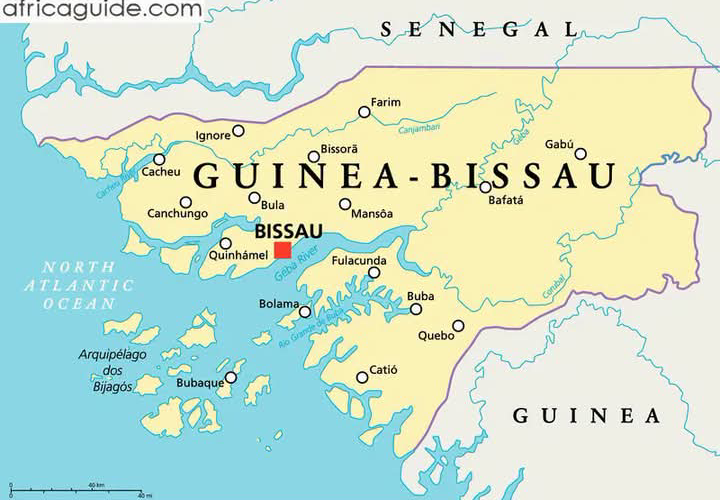
BISSAU, Guinea-Bissau — A court in Guinea-Bissau has ordered the return of opposition leader Domingos Simões Pereira to prison as authorities continue legal proceedings over allegations linking him to multiple alleged coup plots, marking another significant development in the country’s prolonged political and constitutional tensions.
The latest court decision has renewed concerns over political stability in the West African nation, where recurring disputes between elected officials, the military, and the judiciary have repeatedly tested democratic institutions over the past two decades.
According to available information, Pereira is facing accusations related to alleged coup conspiracies. Authorities maintain that the legal process is based on investigations into threats against the constitutional order, while opposition supporters argue that the case carries significant political implications. As of the time of publication, the full details of the evidence presented in court have not been made public.
The court’s ruling returns Pereira to detention pending further legal proceedings, adding another chapter to a political crisis that has attracted attention across the Economic Community of West African States (ECOWAS) and the wider international community.
A Prominent Political Figure
Domingos Simões Pereira remains one of Guinea-Bissau’s most influential political figures. He has previously served as Prime Minister and has led the African Party for the Independence of Guinea and Cape Verde (PAIGC), one of the country’s oldest and most prominent political parties.
Throughout his political career, Pereira has advocated democratic governance, institutional reforms, and economic development. However, his political journey has also coincided with periods of intense rivalry within Guinea-Bissau’s political establishment.
The latest judicial action comes against the backdrop of longstanding political disagreements that have frequently resulted in institutional deadlock, changes in government, and disputes over constitutional authority.
Allegations and Legal Proceedings
Prosecutors allege that Pereira was connected to multiple plans aimed at destabilizing the government. At this stage, authorities have not publicly disclosed comprehensive evidence supporting the allegations, and the judicial process remains ongoing.
Under internationally recognized legal standards, all defendants are presumed innocent until proven guilty in a court of law. Legal observers note that the outcome of the proceedings will depend on evidence presented during trial and the independence of the judicial process.
Neither Pereira’s legal representatives nor senior officials from his political party had issued detailed public responses immediately following the latest court decision, according to available reports.
Political Implications
The imprisonment of one of the country’s leading opposition figures is expected to deepen political divisions in Guinea-Bissau. Analysts say the development could influence future political dialogue, electoral preparations, and broader efforts to strengthen democratic governance.
Guinea-Bissau has experienced repeated cycles of political instability since gaining independence in 1974. Military interventions, attempted coups, and disputes among political elites have frequently disrupted governance and slowed economic progress.
International organizations have consistently encouraged political actors in Guinea-Bissau to resolve disputes through constitutional and legal mechanisms while safeguarding judicial independence and fundamental rights.
Regional Attention
The latest developments are likely to be closely monitored by ECOWAS, the African Union, the United Nations, and other international partners that have supported political stability and democratic governance in Guinea-Bissau.
Regional bodies have repeatedly emphasized the importance of peaceful political competition, respect for constitutional order, and transparent judicial processes as essential components of lasting stability in West Africa.
Observers note that confidence in the judicial system will depend on whether proceedings remain transparent, impartial, and consistent with both national law and international legal standards.
Broader Context
Guinea-Bissau has faced numerous political crises over the past several decades, with several governments interrupted by military interventions, constitutional disputes, and attempted coups.
The country’s political environment has often been characterized by fragile institutions and recurring disagreements among state actors. These challenges have affected governance, economic development, investor confidence, and public trust.
Political analysts argue that strengthening democratic institutions, promoting dialogue among political stakeholders, and ensuring an independent judiciary remain critical to reducing instability and preventing future crises.
Looking Ahead
As legal proceedings continue, attention will remain focused on how Guinea-Bissau’s courts handle the case and whether all parties receive fair legal treatment consistent with due process.
The outcome could have significant implications not only for Domingos Simões Pereira but also for Guinea-Bissau’s democratic trajectory and the broader political climate in West Africa.
Wengglobal will continue monitoring official court proceedings and statements from the government, the opposition, ECOWAS, and international observers as additional verified information becomes available.
Sources
- Reuters
- AFP (Agence France-Presse)
- BBC News
- Al Jazeera
- Associated Press (AP)
- ECOWAS official communications (where applicable)