Reported by Weng Patrick Atokor l Journalist at Weng Global
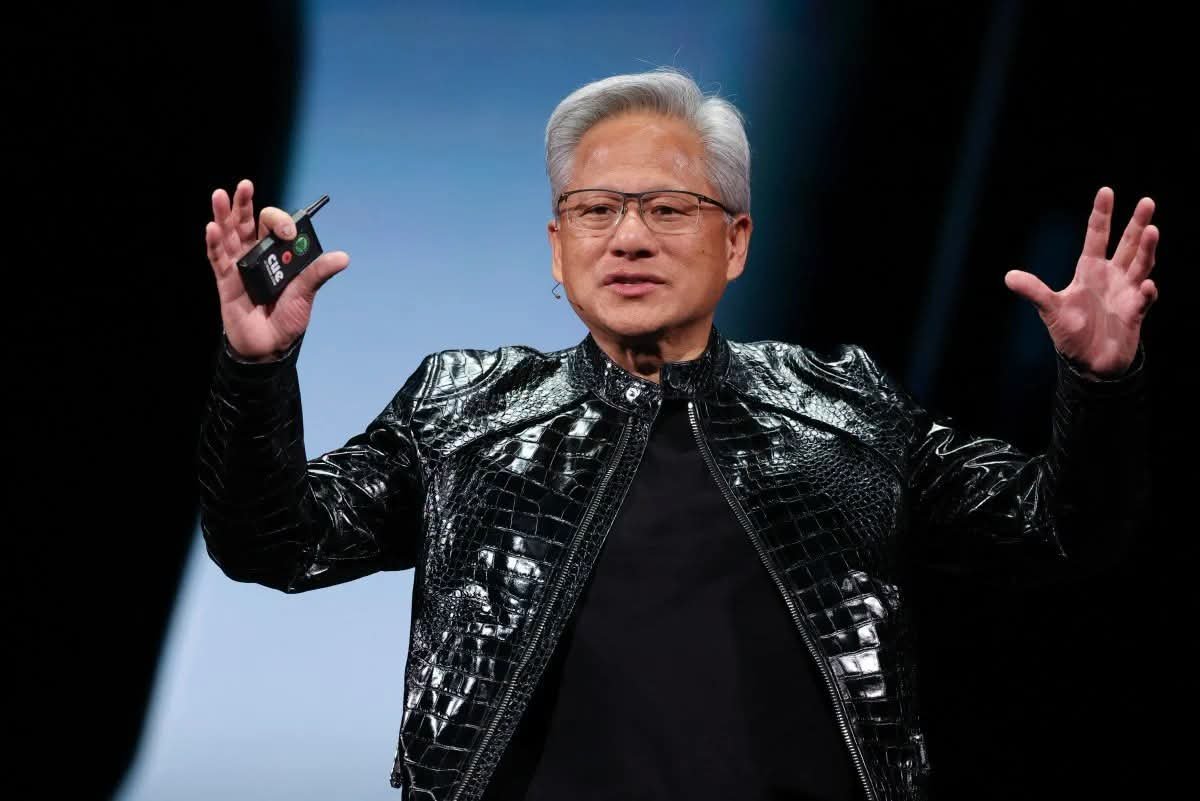
Nvidia chief executive officer Jensen Huang is expected to face questioning from United States lawmakers on December 1, 2026, over allegations involving a suspected Chinese intelligence asset, the company’s business dealings with China and potential national security risks linked to advanced artificial intelligence (AI) chips.
The congressional scrutiny comes just days after Huang was reinstated as Nvidia’s president and CEO following his resignation amid reports of extramarital relationships, including an alleged relationship with a woman suspected by US authorities of having links to Chinese intelligence.
The controversy has placed one of the world’s most influential technology companies under increased political and regulatory scrutiny, raising questions about corporate governance, the protection of sensitive technology and Washington’s efforts to restrict China’s access to advanced semiconductor equipment.
The December 1 appearance will involve closed-door, transcribed interviews before three House committees, rather than a publicly televised congressional hearing.
US Lawmakers Seek Answers From Nvidia’s Leadership
According to a November 17 announcement by the House Permanent Select Committee on Intelligence, Huang and Nvidia general counsel Tim Teter agreed to appear before three congressional committees.
The committees are the House Foreign Affairs Committee, the House Intelligence Committee and the Select Committee on the Chinese Communist Party.
Huang is scheduled to appear on December 1, while Teter is expected to answer questions on December 2.
The Republican chairmen of the committees — Brian Mast, John Moolenaar and Rick Crawford — said lawmakers wanted explanations about Nvidia’s potential exposure to national security threats and the possible involvement of a Chinese intelligence asset.
The lawmakers also raised concerns about how individuals linked to China may have gained access to advanced American AI chips.
Their inquiry extends beyond Huang’s personal relationships to questions about Nvidia’s export-control procedures and whether sensitive commercial or technological information could have been exposed.
According to Reuters, Republican lawmakers had previously sought a briefing from Huang following reports about his alleged relationship with a Chinese businesswoman connected to the semiconductor industry.
Alleged Relationship With Suspected Chinese Intelligence Asset
The controversy intensified following reporting by The New York Times about Huang’s alleged relationship with Alice Huang, a former executive of Singapore-based technology company Megaspeed.
The company reportedly purchased Nvidia AI chips, while US authorities examined concerns that Megaspeed may have helped Beijing obtain advanced semiconductors restricted under American export controls.
The allegations have raised questions about whether the relationship could have created opportunities for foreign intelligence access to commercially sensitive information.
However, allegations of espionage and potential security breaches must be distinguished from established findings. The congressional investigation is intended, in part, to establish what happened and whether any national security rules were violated.
Nvidia has previously defended its interactions with customers, saying its executives engage with thousands of business leaders internationally and that ordinary commercial information shared with customers does not include sensitive trade secrets or US national security information.
Nvidia Reinstates Jensen Huang After Shock Resignation
Huang’s return to Nvidia has added another dimension to the controversy.
On November 23, 2026, Nvidia announced that its board had unanimously reinstated him as president and chief executive officer, less than two weeks after his departure.
In its official announcement, the company said the board had held discussions with Huang and received input from senior levels of the US government before reaching its decision.
The board said it was satisfied with Huang’s candour and ability to lead the company, adding that it was confident his reinstatement did not pose a national security risk.
Nvidia also confirmed that an independent committee would continue investigating the foreign intelligence concerns surrounding the allegations.
The company said it had established a separate National Security and Export Control Committee to oversee compliance and related risks. It also announced plans to recruit a chief compliance officer.
Huang had previously acknowledged making serious mistakes in his personal life and apologised for falling short of the standards expected at Nvidia.
His reinstatement has nevertheless attracted questions from lawmakers and corporate governance observers about whether the company’s internal investigation and oversight arrangements are sufficient.
NVIDIA Newsroom +2
Why China’s Access to Nvidia AI Chips Is a Major Concern
The investigation has implications beyond the personal controversy involving Nvidia’s chief executive.
Nvidia is a major supplier of advanced processors used to develop and operate artificial intelligence systems. Its products are important to technology companies, research institutions and data-centre operators around the world.
The United States has introduced export restrictions designed to limit China’s access to certain advanced semiconductor technologies because of concerns about their potential military and strategic applications.
These restrictions have become a significant part of the broader technological and economic competition between Washington and Beijing.
American lawmakers are therefore concerned about whether Nvidia’s business relationships, customer screening and export-control procedures have adequately protected restricted technologies.
If investigators establish that controlled chips were diverted to unauthorised buyers or that sensitive information reached foreign intelligence networks, the consequences could extend beyond Nvidia.
Potential implications include tighter export restrictions, additional regulatory investigations, legal challenges and increased scrutiny of technology companies operating across international markets.
However, the congressional inquiry has not established that Nvidia knowingly assisted Chinese intelligence or that Huang personally facilitated an illegal transfer of technology.
US Government and Corporate Investigations Continue
The congressional interviews are taking place alongside investigations and internal reviews involving Nvidia and US authorities.
The company’s independent directors have been tasked with examining the foreign intelligence allegations, while its new national security and export-control committee is expected to strengthen oversight.
The FBI, Justice Department and Securities and Exchange Commission have also been reported to be examining aspects of the controversy.
The different investigations could examine questions surrounding corporate governance, potential foreign intelligence activity, export-control compliance and whether investors received appropriate information about relevant risks.
Huang’s return to the company does not automatically bring these investigations to an end.
Nvidia has indicated that it will continue cooperating with government inquiries and that its internal investigation will proceed.
Reuters +2
What the Congressional Questioning Could Mean for Nvidia
The December interviews could provide lawmakers with an opportunity to examine how Nvidia manages relationships with international customers, particularly those operating in markets affected by US technology restrictions.
Lawmakers are likely to seek explanations about the company’s compliance systems, its knowledge of the allegations surrounding Megaspeed and whether any weaknesses exposed sensitive American technology.
The outcome could influence future discussions about semiconductor exports and the responsibilities of major technology companies dealing with customers connected to countries considered strategic competitors by Washington.
For Nvidia, the controversy also presents a corporate governance challenge.
The company is a major player in the global AI industry, and uncertainty surrounding its leadership, regulatory exposure and relationships with international customers could affect investor confidence.
The episode also illustrates how the intersection of technology, international business and national security has become increasingly important in the global semiconductor industry.
What Happens Next?
The immediate development is Huang’s scheduled appearance before the three House committees on December 1.
Nvidia general counsel Tim Teter is expected to appear on December 2.
A separate Senate Banking Committee hearing involving Huang has also been scheduled for December 3, according to reporting by Reuters and other US media organisations.
These proceedings could provide further information about the allegations and the company’s compliance arrangements.
However, the congressional questioning should not be confused with a final determination of wrongdoing. Any legal or regulatory conclusions will depend on the evidence gathered by the relevant authorities.
For now, Nvidia faces the challenge of maintaining confidence in its leadership while addressing questions about national security, corporate accountability and its role in the increasingly competitive global AI industry.
Weng Global – Stories beyond borders
Sources
- US House Permanent Select Committee on Intelligence – Official announcement confirming Huang’s December 1 congressional appearance.
- Nvidia Newsroom – Official announcement of Jensen Huang’s reinstatement on November 23, 2026.
- Reuters – Report on Huang’s agreement to appear before congressional committees.
- Reuters – Legal and corporate governance implications of the allegations.
- Agence France-Presse (AFP) – Latest reporting on congressional scrutiny of Nvidia.
- The Washington Post – Reporting on Huang’s reinstatement and national security concerns.