Reported by Simon Daniel Yusuph l Journalist at Weng Global
More than 9,000 women and girls in France have reported menstrual and other reproductive health problems following exposure to tear gas during recent street protests, prompting renewed concerns about the potential health consequences of chemical weapons routinely used by security forces to disperse demonstrations.
The reports were collected by a French feminist advocacy group, Lacrymos de Sang, which has received thousands of testimonies from women who say they experienced unusual bleeding, severe menstrual cramps, irregular periods and other gynaecological complications after encountering tear gas.
The findings have intensified calls from activists, medical professionals and some political representatives for an investigation into the possible reproductive health effects of tear gas, particularly the chemical compound CS, which is commonly used by French police for crowd control.
According to findings reported by The Guardian on November 27, 2026, the collective gathered more than 9,200 testimonies, with approximately 94 per cent of respondents reporting gynaecological problems following exposure.
However, scientists have cautioned that the reports do not establish that tear gas directly caused the symptoms. Existing scientific research on the relationship between chemical irritants and reproductive health remains limited, and further investigation is necessary to determine the extent of any potential connection.
The controversy has consequently developed into a wider debate about public safety, police crowd-control methods, women’s reproductive health and the responsibility of authorities to investigate possible health risks associated with chemical agents.
More Than 9,200 Testimonies Collected by French Advocacy Group
The reports were gathered by Lacrymos de Sang, a French feminist collective established to draw attention to the possible reproductive health consequences of tear gas exposure.
The organisation collected accounts from women and girls who said they experienced unusual menstrual or reproductive symptoms after being exposed to chemical irritants during demonstrations.
The testimonies reportedly included accounts of severe abdominal cramps, unexpected bleeding, unusually heavy menstrual periods, missed periods and prolonged bleeding.
Some respondents also described experiencing symptoms that were unusual compared with their previous menstrual experiences.
The Guardian reported that approximately 94 per cent of the more than 9,200 respondents said they experienced gynaecological problems following exposure.
Among the symptoms identified were uterine cramps, ovarian pain, bleeding between menstrual periods and unusually heavy bleeding.
Some women also reported requiring medical attention, including hospital treatment for complications associated with excessive bleeding.
The figures have attracted considerable attention because of the number of people reporting similar experiences.
Nevertheless, the collective’s questionnaire was voluntary and relied on personal accounts. The respondents were not a randomly selected representation of all women exposed to tear gas, and their reports have not been independently medically verified as a group.
Consequently, the findings indicate a significant number of reported experiences but cannot establish the actual prevalence of reproductive complications among all women exposed to tear gas in France.
Reports Include Miscarriages Among Pregnant Women
One of the most concerning aspects of the testimonies involves women who reported pregnancy complications after exposure to tear gas.
According to the findings reported by The Guardian, 47 respondents said they were pregnant when exposed to the chemical irritants.
Of those women, 15 reported experiencing miscarriages, while another 17 described contractions, pain or bleeding following exposure.
These accounts have intensified concerns about the possible vulnerability of pregnant women during demonstrations where tear gas is deployed.
However, the reported miscarriages cannot automatically be attributed to chemical exposure.
Miscarriages can occur for several medical reasons, and establishing whether a particular environmental exposure contributed to a pregnancy loss requires detailed medical assessment and reliable information about the circumstances.
The small number of pregnant respondents also makes it difficult to draw broad conclusions about the risks associated with tear gas exposure during pregnancy.
Nevertheless, researchers and women’s health advocates argue that the reports deserve serious investigation rather than dismissal.
They say the possibility of reproductive complications, particularly among pregnant women, requires better scientific understanding and appropriate public health monitoring.
October Protests and Extensive Tear Gas Deployment
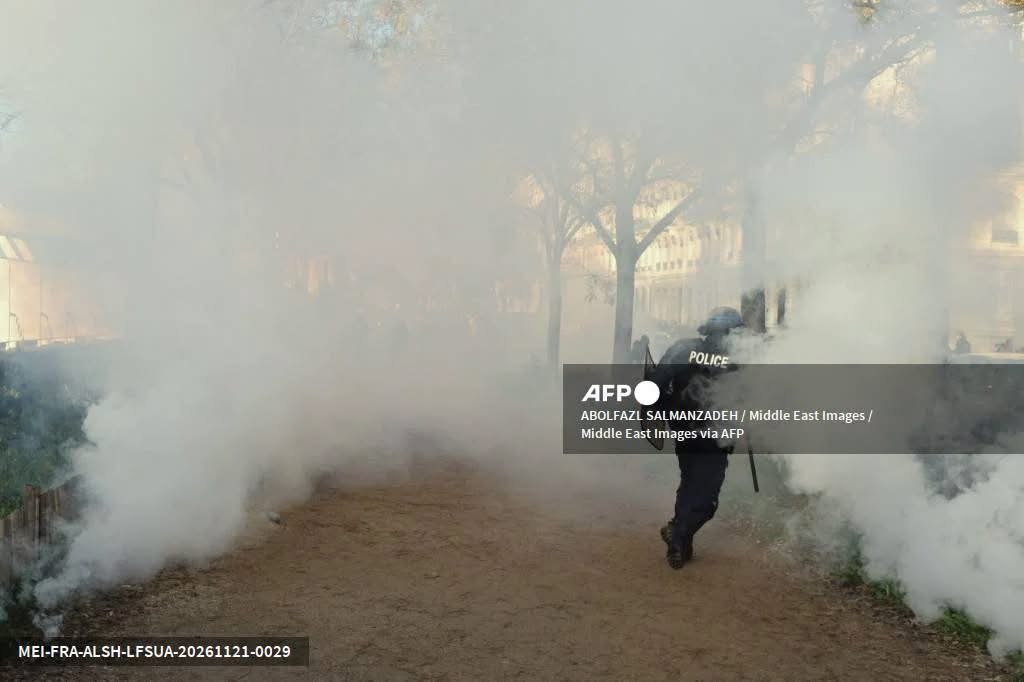
The reports emerged following demonstrations in France during which police deployed substantial quantities of tear gas to disperse protesters.
According to The Guardian, French police fired approximately 22,000 tear gas grenades during protests on October 17, 2026.
The demonstrations took place amid wider public dissatisfaction over economic conditions and other political and social issues.
Tear gas is commonly used by law enforcement agencies to control crowds by producing intense irritation of the eyes, skin and respiratory system.
The chemical agent CS is among the substances used in French tear gas grenades.
Exposure can cause tearing, coughing, breathing difficulties, burning sensations and temporary discomfort.
The severity of symptoms can depend on factors including the concentration of the chemical, duration of exposure, environmental conditions and whether people are exposed in open or confined spaces.
Although the immediate effects of tear gas are relatively well recognised, questions remain about the consequences of repeated exposure and its potential effects on reproductive health.
The latest French testimonies have brought these concerns into sharper focus, particularly because some women reported symptoms that continued after leaving demonstration sites.
What Scientists Know About Tear Gas and Reproductive Health
Scientific understanding of the relationship between tear gas exposure and menstrual health remains incomplete.
Existing research has identified possible associations between exposure to chemical agents and reproductive symptoms, but researchers have not established a definitive causal relationship.
A 2023 study published in the scientific journal Frontiers in Epidemiology, titled More Than Tears: Associations Between Exposure to Chemical Agents Used by Law Enforcement and Adverse Reproductive Health Outcomes, examined reproductive health experiences among 1,276 people who reported exposure to chemical agents during protests in the United States.
The researchers found that 83 per cent of participants reported at least one reproductive health outcome included in the study.
Reported symptoms included uterine cramps, early menstrual bleeding, breast tenderness and delayed menstrual bleeding.
The study also identified an association between greater exposure and increased reporting of adverse reproductive health experiences.
Participants reporting five or more days of exposure had higher odds of reporting adverse outcomes than those with less exposure.
However, the researchers emphasised that their study relied on self-reported information and could not establish that chemical exposure directly caused the reported symptoms.
The researchers also acknowledged that psychological stress associated with protests and police violence could contribute to menstrual disturbances.
Their findings nevertheless highlighted the need for additional research into the potential reproductive consequences of chemical agents used by law enforcement.
An earlier study examining female participants in France’s Yellow Vest protests also suggested a possible relationship between CS gas exposure and menstrual irregularities.
That research involved 145 women and was described by its authors as preliminary evidence requiring further investigation.
Together, these studies demonstrate that concerns about reproductive health and tear gas exposure are not entirely new.
However, the available evidence remains insufficient to establish the precise biological mechanisms involved or determine the level of risk.
French Government Responds to Health Concerns
The controversy has also attracted attention from the French government, particularly the Ministry of the Interior, which oversees national policing arrangements.
According to reporting by the Associated Press, the ministry has maintained that published scientific studies have not established that CS gas causes menstrual changes or miscarriages.
The ministry has also argued that most recognised effects of tear gas generally subside within hours after exposure ends.
However, it has acknowledged that certain longer-lasting effects cannot be completely ruled out.
French authorities have referred to previous assessments of individual exposure to tear gas, including studies conducted in 2021 and 2022, particularly involving law enforcement personnel.
The government has not publicly established a direct causal relationship between tear gas and the reproductive symptoms reported by women.
This position has attracted criticism from activists and other stakeholders who believe that the growing number of testimonies warrants more extensive independent research.
The disagreement reflects a wider challenge facing public health authorities: determining how to respond when large numbers of people report similar health problems but the available scientific evidence has not conclusively identified the cause.
Activists and Lawmakers Demand Greater Investigation
The findings have strengthened calls from French activists and some opposition lawmakers for authorities to reconsider the use of tear gas during public demonstrations.
Campaigners argue that the possible reproductive health consequences should form part of a broader assessment of the safety of chemical crowd-control agents.
Some have called for a temporary suspension of tear gas deployment until more comprehensive research establishes its potential effects.
Others have demanded independent medical investigations, improved monitoring of exposed populations and greater transparency regarding the chemicals used by police.
The campaign has also highlighted concerns about the limited representation of women in earlier research examining the health effects of chemical irritants.
Historically, much of the available toxicological research on tear gas concentrated on immediate physical effects, including eye irritation and respiratory complications.
Researchers have argued that reproductive health outcomes deserve more attention, particularly because menstrual cycles and pregnancy introduce additional biological considerations.
The French controversy has therefore renewed discussions about whether existing safety assessments adequately account for women, pregnant people and other potentially vulnerable populations.
Why Establishing the Scientific Link Is Important
Determining whether tear gas contributes to menstrual irregularities or pregnancy complications has implications beyond France.
Security agencies across Africa, Europe, Asia and other regions use chemical irritants to control demonstrations and respond to public disorder.
In many countries, tear gas is deployed during protests involving students, political groups, labour organisations and citizens demanding government accountability.
Although these chemicals are intended to disperse crowds, their use can expose protesters, journalists, medical personnel and bystanders to potentially harmful substances.
For African countries, where demonstrations sometimes take place in densely populated urban environments, questions about the safety of crowd-control methods are particularly relevant.
A better understanding of the potential health consequences could help governments, police institutions and public health authorities develop more effective safeguards.
It could also strengthen discussions about the circumstances under which chemical agents should be deployed and the medical assistance available to people exposed to them.
The French reports further demonstrate the importance of investigating health complaints that may affect groups whose experiences have historically received limited scientific attention.
However, public policy must be guided by reliable evidence rather than assuming that every reported symptom has the same cause.
What Happens Next?
The immediate challenge is establishing whether the reproductive symptoms reported by thousands of French women are directly associated with tear gas exposure or whether other factors contributed to their experiences.
Researchers will need more comprehensive investigations involving medical assessments, reliable exposure information and appropriate comparison groups.
Such research could help establish whether particular chemicals, exposure levels or environmental conditions are associated with increased reproductive health risks.
Authorities may also face continued pressure from activists and lawmakers to reconsider existing crowd-control practices while the scientific questions remain unresolved.
For women who experienced unusual bleeding, severe abdominal pain or pregnancy-related complications after exposure, medical assessment remains important regardless of whether a direct connection with tear gas has been established.
The French government has not announced a definitive scientific conclusion linking CS gas to miscarriages or menstrual disorders.
For now, the more than 9,200 testimonies have placed women’s reproductive health at the centre of an increasingly important debate about chemical crowd-control agents.
The central question remains whether tear gas, beyond its established immediate effects on the eyes and respiratory system, may also carry reproductive health risks that existing research has yet to adequately explain.
Weng Global – stories beyond borders
Sources
- The Guardian – Investigation into reproductive health complaints reported by French women following tear gas exposure, November 27, 2026.
- Associated Press – Reporting on French activists’ demands for investigations into the possible reproductive effects of tear gas, November 2026.
- Le Monde – Investigation into the potential health consequences of tear gas exposure among women in France, November 2026.
- Frontiers in Epidemiology – More Than Tears: Associations Between Exposure to Chemical Agents Used by Law Enforcement and Adverse Reproductive Health Outcomes, 2023.
- Heriot-Watt University Research Portal – Research on CS gas exposure and menstrual cycle irregularities among female Yellow Vest protesters in France.