Reported by Weng Patrick Atokor l Journalist at Weng Global
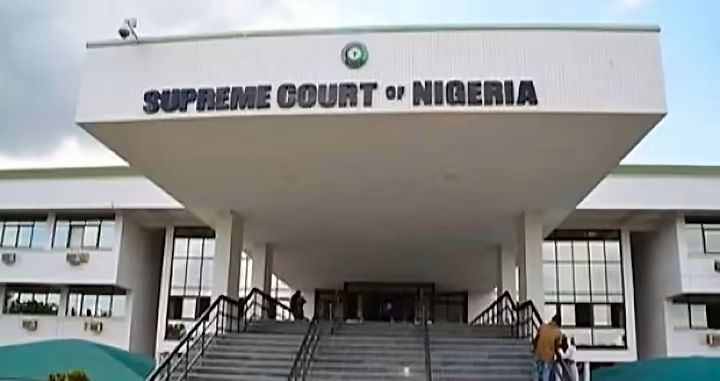
The Supreme Court of Nigeria has warned against the unauthorised use of its official vehicle number plates, urging security agencies to arrest individuals found using the identification plates without proper authorisation.
The warning highlights concerns over the misuse of official government identification and the potential security risks associated with individuals impersonating public institutions.
The development comes amid wider efforts by Nigerian authorities to address the growing problem of fake, altered and unauthorised vehicle registration plates, which can make it difficult for law enforcement agencies to identify vehicles and establish ownership.
Concerns Over Impersonation and Security
Official vehicle number plates serve an important identification purpose, distinguishing vehicles assigned to government institutions from privately owned vehicles.
The unauthorised use of such identification can create opportunities for impersonation, potentially allowing individuals to falsely associate themselves with government institutions or exploit the perceived authority attached to official vehicles.
For the Supreme Court, the issue raises concerns about protecting the identity and institutional authority of Nigeria’s highest judicial institution.
The warning also draws attention to the importance of ensuring that official government identification is used only by individuals and vehicles with legitimate authorisation.
Nigeria Intensifies Crackdown on Unauthorised Number Plates
The Supreme Court’s warning comes against the background of broader enforcement efforts targeting fraudulent vehicle identification across Nigeria.
In June 2026, the Federal Road Safety Corps (FRSC) and the Ministry of Foreign Affairs agreed to strengthen cooperation to address the abuse, falsification and illegal use of diplomatic and official vehicle number plates.
The Guardian reported that the agencies discussed improved verification procedures for diplomatic accreditation and stronger information-sharing arrangements to prevent the misuse of official vehicle identities.
The FRSC also disclosed that previous enforcement operations had uncovered vehicles allegedly using fake diplomatic plates and cloned registration documents.
In November 2026, the FRSC intensified its nationwide enforcement campaign through the second phase of Operation GUDUMA.
According to a statement issued by the Corps, the operation, conducted between November 2 and 6 across 12 states and the Federal Capital Territory, resulted in the interception of five vehicles bearing fake diplomatic number plates.
The operation also recorded more than 1,600 number plate-related violations and 6,454 other traffic offences.
These developments demonstrate the growing attention Nigerian authorities are giving to vehicle identification fraud and its implications for public safety.
Why Official Number Plate Misuse Matters
Vehicle registration plates are essential tools for identifying vehicles, tracing ownership and supporting investigations involving road accidents and criminal activities.
When individuals use fake or unauthorised official number plates, they can undermine these identification systems and complicate efforts by security agencies to establish the identity of vehicles involved in suspicious activities.
The misuse of institutional identification can also damage public confidence in government agencies and create opportunities for fraudulent claims of official authority.
For citizens, the issue extends beyond traffic regulations. It concerns the ability of law enforcement agencies to identify vehicles and hold their owners accountable when offences occur.
What Happens Next?
The Supreme Court’s reported warning places responsibility on security agencies to address unauthorised use of its official vehicle identification.
However, the specific enforcement arrangements, applicable penalties and details of any additional directives could not be independently established from the information available for this report.
The warning also reinforces the broader need for cooperation among government institutions, vehicle registration authorities and security agencies to prevent the circulation and use of fraudulent official number plates.
Weng Global will continue to monitor developments surrounding the enforcement of regulations governing official vehicle identification in Nigeria.
Weng Global – Stories beyond borders