Reported by Weng Patrick Atokor l Journalist at Weng Global
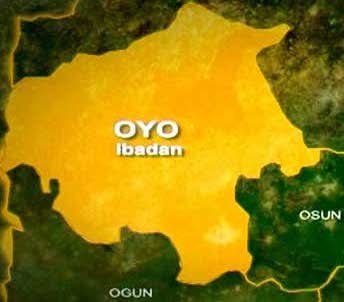
Oyo State has commenced a nine-day training programme for healthcare workers aimed at improving the identification, treatment and management of common childhood illnesses as part of efforts to reduce preventable deaths among children.
The programme, organised by the Oyo State Primary Health Care Board, focuses on strengthening frontline healthcare workers’ capacity to recognise early symptoms of childhood diseases, administer appropriate treatment and refer children requiring specialised medical attention.
The training, themed Training of Trainers and Facilitating Skills Course on Integrated Management of Childhood Illness, is taking place at Plaza De Aruna Hotel in Eleekara, Oyo.
Oyo State Commissioner for Information, Dotun Oyelade, disclosed the development in a statement made available to journalists in Ibadan on Thursday, November 19, 2026.
The initiative is designed to improve the quality of healthcare services available to children, particularly at primary healthcare facilities where many families first seek medical attention.
Oyo Government Strengthens Childhood Disease Management
Speaking at the opening ceremony, the Executive Secretary of the Oyo State Primary Health Care Board, Dr Muideen Olatunji, represented by the Director of Disease Control and Immunisation, Dr Festus Mustapha, reaffirmed the board’s commitment to improving child health and strengthening primary healthcare delivery.
The board emphasised that healthcare workers must possess the necessary clinical knowledge and practical skills to identify early warning signs of illnesses in children and respond appropriately.
According to the board’s leadership, early diagnosis and timely treatment are essential to preventing childhood illnesses from developing into life-threatening complications.
Olatunji also highlighted the importance of the Integrated Management of Childhood Illness (IMCI) strategy, describing it as a comprehensive approach to managing common childhood conditions and improving the quality of care provided at health facilities.
He urged participants to take the training seriously and apply the knowledge gained in their daily responsibilities.
The board maintained that the effectiveness of the programme would depend not only on the training itself but also on how successfully healthcare workers translate the acquired skills into improved medical services.
Nine-Day Training Focuses on Major Childhood Diseases
The training addresses several illnesses that remain significant threats to children’s health, including:
- Malaria
- Pneumonia
- Diarrhoea
- Malnutrition
- Other common childhood conditions requiring early medical intervention.
Participants are expected to develop stronger skills in assessing sick children, classifying illnesses according to established clinical guidelines and providing appropriate treatment.
The programme also places emphasis on identifying danger signs that may indicate severe illness and require urgent referral to higher-level healthcare facilities.
Healthcare workers are being trained to communicate effectively with parents and caregivers, maintain accurate medical records and promote the responsible use of medicines.
These skills are particularly important in primary healthcare settings, where early recognition of childhood illnesses can determine whether a child receives timely treatment or develops serious complications.
The training is structured to combine clinical knowledge with practical experience, ensuring that participants understand how to apply the guidelines when attending to children.
Training-of-Trainers Approach to Expand Healthcare Skills
One of the significant components of the programme is its training-of-trainers approach.
Rather than limiting the benefits to the healthcare workers directly participating in the nine-day exercise, the initiative is designed to create a wider network of trained personnel capable of transferring their knowledge to colleagues.
According to State IMCI Programme Officer, Mrs Adepeju Mosunmade, the ability of healthcare workers to follow established clinical guidelines is essential to improving childhood illness management.
She highlighted the importance of proper assessment, accurate classification of illnesses and appropriate treatment in preventing avoidable complications and deaths.
Mosunmade also identified several areas requiring attention, including the recognition of danger signs, effective communication with caregivers, accurate record-keeping and the rational use of medicines.
She explained that the training-of-trainers component would allow participants to share the knowledge and practical skills acquired with other healthcare workers, extending the programme’s reach across more health facilities and communities.
The approach is expected to strengthen the implementation of the Integrated Management of Childhood Illness strategy beyond the immediate group attending the training.
Practical Sessions and Clinical Simulations Form Part of Programme
The nine-day programme includes a combination of classroom instruction and practical learning activities.
According to the organisers, participants will undertake practical demonstrations, case studies, group exercises, clinical simulations and sessions focused on developing effective facilitation skills.
The practical components are intended to help healthcare workers understand how to assess children, identify symptoms, determine appropriate treatment and recognise situations requiring referral.
The training also covers counselling for parents and caregivers, follow-up procedures and the importance of ensuring that children receive appropriate medical attention.
By combining theoretical instruction with practical exercises, the board aims to improve participants’ ability to respond to childhood illnesses in real healthcare environments.
The programme is also expected to equip participants with the teaching skills needed to train other healthcare professionals.
Why Childhood Illness Management Matters in Nigeria
The Oyo State initiative comes against the background of continuing challenges surrounding child survival in Nigeria and other parts of sub-Saharan Africa.
Although Nigeria has made progress in reducing childhood mortality over the years, preventable illnesses and limited access to quality healthcare continue to affect children’s survival prospects.
According to the 2024 Nigeria Demographic and Health Survey, the country’s under-five mortality rate stood at 110 deaths per 1,000 live births during the five years preceding the survey. The report also recorded neonatal mortality at 41 deaths per 1,000 live births and infant mortality at 63 deaths per 1,000 live births. Health.gov.ng
These figures highlight the continuing importance of strengthening maternal, newborn and child healthcare services across the country.
The World Health Organisation reported in May 2026 that approximately 4.9 million children under five died globally in 2024.
Its estimates identified preterm birth complications, birth-related complications, pneumonia, diarrhoea and malaria among the leading causes of deaths in this age group.
The organisation also noted that children in sub-Saharan Africa face particularly high mortality risks compared with those in other regions. World Health Organization +1
The figures underline the importance of healthcare systems that can identify illnesses early, provide appropriate treatment and ensure timely referrals when complications arise.
For Nigeria, strengthening primary healthcare remains an important part of addressing these challenges because community-level facilities often serve as the first point of contact between families and the formal healthcare system.
Integrated Management of Childhood Illness: Understanding the Strategy
The Integrated Management of Childhood Illness strategy is a healthcare approach developed to improve the prevention, identification and management of common childhood diseases.
It focuses on assessing children comprehensively rather than treating individual symptoms without considering other possible health conditions.
The strategy also recognises that childhood illnesses can occur together and that healthcare workers need to assess a child’s overall condition before determining the appropriate response.
Its implementation involves improving healthcare workers’ clinical skills, strengthening health systems and promoting appropriate family and community health practices.
The approach is particularly relevant to primary healthcare facilities, where health workers need standardised procedures for assessing children and deciding whether treatment can be provided locally or whether referral is necessary.
The World Health Organisation identifies improved access to quality healthcare, skilled health personnel, vaccination, adequate nutrition and effective treatment of common childhood diseases as important measures for reducing preventable child deaths. World Health Organization +1
For Oyo State, strengthening the implementation of IMCI could improve the consistency of childhood healthcare services across participating facilities.
Oyo’s Wider Efforts to Strengthen Primary Healthcare
The latest training also forms part of broader efforts to improve healthcare delivery in Oyo State through professional development and investment in primary healthcare services.
The state has previously organised training programmes focused on improving the management of childhood illnesses.
In May 2026, the Oyo State Primary Health Care Board organised a separate six-day IMCI training programme for operational-level health officers drawn from the state’s 33 local government areas.
That exercise focused on improving participants’ capacity to prevent, identify and manage childhood illnesses, including malaria, pneumonia, diarrhoea and malnutrition.
The earlier programme also emphasised the importance of strengthening healthcare coordination at the grassroots level. Voice of Nigeria +1
The November training represents another capacity-building exercise, with a particular emphasis on training-of-trainers methods and the development of facilitation skills.
The two programmes demonstrate the importance the board has placed on continuous professional development as part of its child healthcare strategy.
However, the long-term impact of such initiatives will depend on whether the knowledge acquired is consistently applied in health facilities and translated into better services for children.
Why the Training Matters for Families and Communities
For parents and caregivers, the quality of care available at nearby primary healthcare facilities can have significant consequences for children’s health.
Children may initially develop symptoms that appear manageable but can become dangerous when illnesses are not properly assessed or treated.
Healthcare workers who can recognise warning signs, provide appropriate interventions and refer severe cases promptly are better positioned to help prevent avoidable complications.
The training’s emphasis on communication with caregivers is also important because parents play a major role in recognising symptoms, following medical instructions and returning for follow-up appointments.
Furthermore, the programme’s training-of-trainers approach could help improve healthcare knowledge across a wider network of facilities if participants successfully replicate the sessions.
For communities in rural and underserved areas, stronger frontline healthcare capacity could contribute to improved access to timely medical attention.
Nevertheless, training alone cannot resolve every challenge facing child healthcare delivery. Adequate medicines, essential medical equipment, sufficient staffing, reliable referral systems and sustained funding remain important to effective primary healthcare services.
What Happens Next?
The immediate expectation is that participants will complete the nine-day programme with improved clinical knowledge, practical skills and the ability to facilitate further training for other healthcare workers.
The Oyo State Primary Health Care Board has urged participants to apply the knowledge acquired in their professional responsibilities and maintain adherence to established clinical guidelines.
The training is also expected to support the wider implementation of the Integrated Management of Childhood Illness strategy across health facilities and communities.
However, the organisers have not provided specific figures on the number of healthcare workers participating, the total number of facilities expected to benefit or a measurable target for reducing childhood deaths through the latest exercise.
Monitoring the programme’s implementation, including the number of additional health workers trained and improvements in clinical practices, will be important in determining its effectiveness.
Ultimately, the success of the initiative will be measured not simply by the completion of the training but by whether children receive faster, safer and more effective healthcare when they need it.
For Oyo State, strengthening the skills of frontline healthcare workers represents an important step towards improving child survival and making primary healthcare more responsive to the needs of families.
Weng Global – Stories beyond borders
Sources
- Punch – Oyo trains health workers to tackle childhood illnesses, prevent deaths (November 19, 2026).
- Nigeria Demographic and Health Survey 2024 – Federal Ministry of Health.
- World Health Organisation – Child Mortality (Under 5 Years).
- WHO – Progress in reducing child deaths slows as 4.9 million children die before age five.
- Voice of Nigeria – Oyo State to Train Health Officers on IMCI.