Reported by Simon Daniel Yusuph l Journalist at Weng Global
The United States House of Representatives has blocked an attempt to impeach Defence Secretary Pete Hegseth over his role in the ongoing war with Iran and other alleged abuses of executive power, giving the Trump administration a political victory amid growing scrutiny of its military decisions.
The Republican-controlled House voted 211–204 on November 10, 2026, to refer eight articles of impeachment against Hegseth to the House Judiciary Committee, effectively halting the immediate effort to remove him from office.
The resolution was introduced by Republican Congressman Thomas Massie of Kentucky, who accused the Pentagon chief of engaging in activities that allegedly violated constitutional and legal restrictions governing the use of American military power.
The outcome means Hegseth will remain in office without facing an immediate impeachment vote in the House, although the allegations and wider disagreements over the administration’s military policies remain unresolved.
The vote also comes at a politically significant moment for President Donald Trump’s administration, following the Republican Party’s difficult performance in the recent midterm elections and growing public disagreement over the US military campaign against Iran.
How the Impeachment Resolution Was Blocked
The procedural vote on Tuesday effectively prevented the House from immediately considering the eight articles of impeachment against Hegseth.
Under the motion, the impeachment resolution was referred to the Republican-led House Judiciary Committee rather than proceeding towards a direct vote on whether to impeach the defence secretary.
Massie was the only Republican who voted against the referral, while the overwhelming majority of participating Republicans supported it.
The result demonstrated the continued support Hegseth enjoys among Republican lawmakers despite criticism of his leadership and the administration’s military operations.
According to reports by Reuters and CBS News, 11 Democrats were absent from the vote, further affecting the numbers in a closely watched congressional confrontation.
The decision effectively removes the immediate threat of impeachment proceedings against Hegseth during the current congressional session.
However, referring the resolution to a committee does not amount to a judicial determination that the allegations are false or that the secretary’s actions were lawful.
It was a procedural decision that prevented the impeachment effort from advancing at this stage.
Eight Articles Accuse Hegseth of Misconduct
Massie’s impeachment resolution contained eight articles outlining allegations against the defence secretary.
One of the central accusations concerned the US military campaign against Iran, which Massie argued was undertaken without the necessary authorisation from Congress.
The congressman also questioned the legality of American military operations targeting suspected drug-trafficking vessels in the Caribbean Sea and the Eastern Pacific.
Other allegations concerned the US operation that resulted in the capture of Venezuelan President Nicolás Maduro, as well as actions involving Democratic Senator Mark Kelly.
The resolution further raised concerns about military operations in Yemen and the treatment of civilians during American military activities.
Massie argued that the allegations amounted to serious misconduct and justified constitutional accountability through impeachment.
However, these remain allegations contained in a political impeachment resolution. The House did not conduct a full trial or establish the claims as proven during Tuesday’s vote.
The decision to refer the resolution to committee also means lawmakers did not reach a final determination on the substance of the accusations.
Iran War at the Centre of the Political Dispute
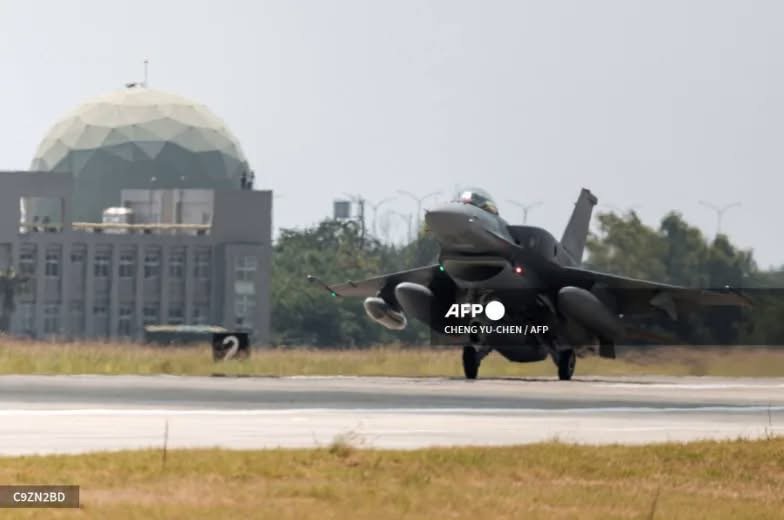
The US military campaign against Iran was a major issue behind the impeachment attempt.
Massie and other critics have questioned the administration’s authority to conduct military operations without obtaining specific congressional approval.
Under the United States Constitution, Congress has the authority to declare war, while the president serves as commander-in-chief of the armed forces.
The division of military powers between the executive and legislative branches has remained a significant constitutional issue in American politics.
Although presidents have historically exercised considerable authority to order military operations, disagreements frequently emerge over the limits of that power and the circumstances requiring congressional approval.
The allegations against Hegseth therefore extend beyond his individual leadership at the Pentagon.
They raise broader questions about congressional oversight, executive authority and the legal responsibilities of senior officials overseeing military operations.
The ongoing conflict with Iran has also placed additional pressure on the administration, particularly as lawmakers debate its objectives, costs and consequences.
For critics, the impeachment effort represented an attempt to hold the administration accountable for decisions involving the use of military force.
For Hegseth’s supporters, however, the resolution was an attempt to turn political disagreements over national security policy into grounds for removing a senior government official.
Hegseth Dismisses Impeachment Effort
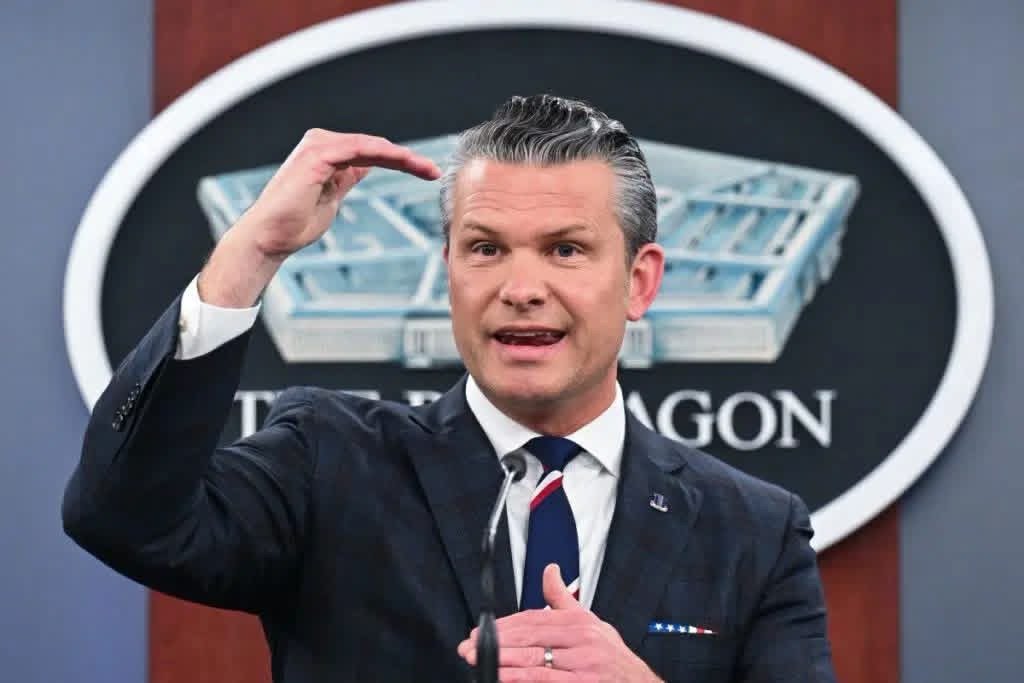
Before the House vote, Hegseth addressed the impeachment attempt during a rare news conference at the Pentagon on November 10.
He dismissed the resolution as a political exercise and defended his handling of the military operations under his supervision.
According to CBS News, Hegseth described the impeachment effort as a farce and argued that the allegations reflected partisan disagreements rather than conduct amounting to impeachable offences.
He also defended the military operations, maintaining that the Pentagon had acted within the responsibilities assigned to it.
His response reflected the Trump administration’s position that the military actions were necessary for national security and fell within the president’s constitutional authority.
The defence secretary’s remarks came as congressional pressure over the Iran war continued to grow.
Trump Welcomes the Outcome
President Donald Trump welcomed the House decision, expressing support for Hegseth and criticising the impeachment effort.
The president had previously defended his defence secretary amid calls for greater scrutiny of the administration’s military policies.
The White House also opposed the impeachment resolution.
In a November 10 statement of administration policy, the Executive Office of the President described the effort as politically motivated and urged lawmakers to support referring the resolution to committee.
The administration argued that military operations were being conducted under presidential authority and that disagreements over policy should not automatically constitute grounds for impeachment.
Vice President JD Vance also defended Hegseth, questioning the justification for the impeachment attempt.
The administration’s response highlighted the political divisions surrounding the issue, with Republican leaders largely standing behind the Pentagon chief.
Thomas Massie Maintains His Opposition
Massie’s impeachment initiative represents a notable disagreement within the Republican Party.
Although he belongs to the same political party as Trump, the Kentucky congressman has repeatedly challenged aspects of the administration’s policies.
His decision to introduce the impeachment articles placed him at odds with Republican leadership and the White House.
The congressman argued that congressional oversight should apply regardless of party affiliation, particularly when decisions involve military action and constitutional responsibilities.
However, the vote demonstrated that his position did not attract sufficient Republican support to advance the resolution.
Reports by Reuters indicate that Massie had warned that referring the resolution to committee would effectively end the impeachment effort during the current congressional session.
Massie is also preparing to leave Congress in January after losing his Republican primary earlier in 2026.
His departure could further change the political dynamics surrounding future efforts to challenge the administration’s defence policies.
Democrats May Revisit the Issue in January
Although Tuesday’s vote effectively halted the current impeachment attempt, the political dispute may not be over.
Democrats are expected to assume control of Congress in January following their gains in the midterm elections.
House Democratic Leader Hakeem Jeffries has indicated that his party intends to intensify scrutiny of Hegseth and the Pentagon’s activities.
The incoming Democratic leadership could use its committee powers to investigate military operations, defence policy decisions and allegations involving the administration.
It could also consider introducing another impeachment resolution, although no final decision on such a move has been established.
A change in congressional control would give Democrats greater influence over committee investigations and the legislative agenda.
Nevertheless, impeachment requires a majority vote in the House, while conviction and removal from office require a two-thirds majority in the Senate.
Consequently, any future attempt to remove Hegseth would face significant political and constitutional challenges.
Why the House Decision Matters
The decision carries implications for American democracy, military accountability and the relationship between the White House and Congress.
First, it highlights the continuing debate over presidential authority to deploy American military forces without explicit congressional approval.
The disagreement is particularly significant because military decisions can have far-reaching consequences for national security, international relations and civilian populations.
Second, the outcome demonstrates how party loyalty and congressional political calculations can influence accountability proceedings involving senior government officials.
The fact that Massie was the only Republican to oppose the procedural referral illustrates the limited support his impeachment initiative received within his party.
Third, the controversy could influence America’s foreign policy discussions, particularly as the conflict with Iran continues to generate political and diplomatic pressure.
For international observers, the debate also raises questions about the consistency of American constitutional oversight when military operations are conducted beyond its borders.
The United States has historically presented congressional oversight and constitutional accountability as important elements of its democratic system.
How lawmakers address these disagreements could therefore influence domestic confidence in government institutions and international perceptions of American leadership.
What Happens Next?
For now, Hegseth remains in office, and the House has not approved any articles of impeachment against him.
The referral to the Judiciary Committee effectively ends the immediate attempt to advance Massie’s resolution during the current congressional session.
Attention is expected to shift towards the incoming Democratic-controlled Congress in January, when lawmakers may pursue investigations into the Pentagon’s military decisions.
However, whether Democrats will introduce another impeachment resolution remains uncertain.
The allegations surrounding the Iran war, military operations in other regions and the administration’s interpretation of presidential authority are also likely to remain subjects of congressional debate.
The latest development provides temporary political relief for Hegseth and the Trump administration, but it does not resolve the underlying disagreements over military accountability and the limits of executive power.
For the American public and international community, the central question remains whether the country’s military decisions are being subjected to the level of constitutional oversight required under its democratic system.
WENG GLOBAL – Stories beyond borders
Sources
- Reuters – US House Blocks Bid to Impeach Defence Secretary Hegseth, November 10, 2026.
- Associated Press – Reporting on the US House impeachment vote.
- CBS News – House Blocks Massie’s Effort to Impeach Hegseth, November 10, 2026.
- Al Jazeera – House Republicans Block Pete Hegseth Impeachment Effort, November 10, 2026.
- Executive Office of the President – Statement of Administration Policy on the Impeachment Resolution, November 10, 2026.