Reported by Weng Patrick Atokor l Journalist at Weng Global
Nigeria’s response to its imported Ebola case remains ongoing, with 28 people still under medical surveillance after being identified as contacts of the infected traveller, while 34 others have completed their mandatory 21-day monitoring period, according to the Nigeria Centre for Disease Control and Prevention (NCDC).
The latest update, issued by the NCDC on Tuesday, November 10, 2026, indicates that the country has recorded no additional confirmed Ebola cases since detecting the imported infection on October 20.
The agency said a total of 62 contacts had been identified through its contact-tracing exercise. Of that number, 34 had completed their individual 21-day follow-up, leaving 28 people under continued monitoring as of November 9.
The development suggests that Nigeria has so far avoided further confirmed transmission, although public health authorities have maintained heightened surveillance to prevent a possible spread of the disease.
The NCDC stressed that identifying someone as a contact does not mean that the individual has contracted Ebola. Rather, the monitoring process allows health officials to identify symptoms early and provide an appropriate medical response.
NCDC Maintains Surveillance Despite No New Confirmed Cases
The NCDC Director-General, Dr Jide Idris, said the agency was continuing to monitor identified contacts while investigating reported alerts and strengthening disease surveillance across the country.
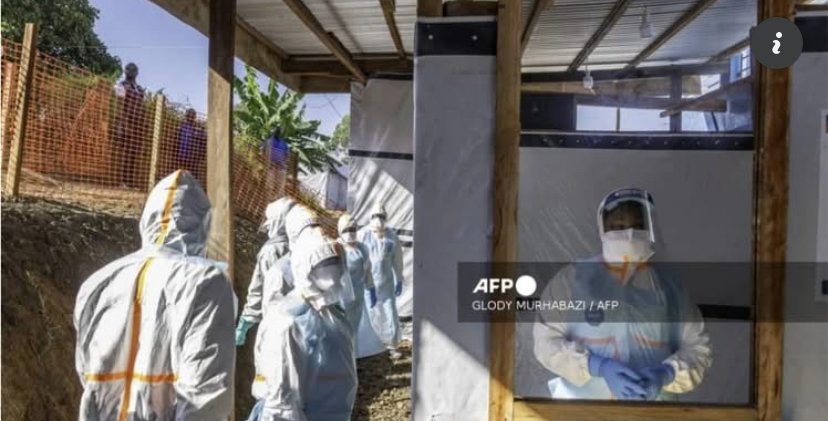
According to the agency, its response includes contact tracing, laboratory testing, investigation of suspected cases, infection prevention and control, safe clinical care and surveillance at Nigeria’s points of entry.
The activities are being coordinated with the Federal Ministry of Health and Social Welfare, the Federal Capital Territory Administration, state authorities and development partners.
The agency explained that the 21-day monitoring requirement applies individually to each identified contact. Consequently, the completion of 21 days since the initial case was confirmed does not automatically mean that every person linked to the infection has completed surveillance.
This distinction is important because the monitoring period depends on when each individual was exposed to the infection or arrived in the country, rather than simply the date Nigeria announced its first confirmed case.
How Nigeria’s Imported Ebola Case Was Detected
Nigeria confirmed an imported case of Bundibugyo Virus Disease on October 20, 2026, involving a traveller who arrived from Uganda.
The infection was detected in the Federal Capital Territory after the patient developed symptoms and received medical attention at a private health facility.
The case prompted an immediate public health response involving investigations, laboratory confirmation, isolation and contact tracing.
According to information contained in the NCDC’s situation reporting, the patient was a 42-year-old woman who arrived in Abuja on October 3 after travelling from Uganda through Addis Ababa.
She reportedly developed symptoms on October 7 and was admitted to a private healthcare facility on October 11. The NCDC was notified on October 19, leading to further investigations and specimen collection.
The National Reference Laboratory confirmed the Ebola infection on October 20.
The patient was subsequently evacuated to Switzerland for further medical care.
The identification of the infection triggered efforts to establish the extent of possible exposure and prevent further transmission.
Initially, 44 close contacts were identified for tracing. The number subsequently increased to 62 as investigations expanded.
The NCDC has continued monitoring the identified contacts and investigating additional alerts as part of the national response.
What the 21-Day Monitoring Period Means
The 21-day monitoring period is an important part of Ebola outbreak management because it corresponds to the recognised incubation period used to monitor individuals who may have been exposed to the virus.
During this period, public health officials monitor identified contacts for symptoms that could indicate infection.
Individuals who complete the monitoring period without developing symptoms can exit follow-up, provided they meet the relevant public health requirements.
The NCDC has emphasised that contact identification should not be interpreted as confirmation of infection.
In its November 8 situation report, the agency reported that no symptomatic contacts had been identified during the preceding 48 hours. It also stated that the exposure remained confined to a single epidemiological cluster linked to the confirmed case.
The report documented 62 identified contacts and said that laboratory testing of suspected cases had not established additional Bundibugyo infections.
The agency’s subsequent November 10 update recorded 34 contacts as having completed their individual follow-up periods.
Nigeria Strengthens Airport and Border Surveillance
Beyond contact tracing, Nigeria has continued strengthening surveillance at international entry points to reduce the possibility of additional imported infections.
The measures involve screening travellers, monitoring possible exposure histories and improving the ability of health authorities to identify suspected cases.
According to the NCDC’s outbreak situation dashboard, more than 659,000 health declaration forms had been recorded through the country’s entry-point screening system by November 9.
The agency reported that surveillance activities covered 16 points of entry.
International airports remain particularly important to the response because the confirmed infection involved a traveller arriving from Uganda.
The NCDC has also continued working with relevant authorities to strengthen laboratory testing, emergency preparedness and infection prevention procedures.
Healthcare workers have been urged to remain vigilant in both public and private medical facilities.
They have also been advised to establish patients’ travel and exposure histories, observe infection prevention measures and promptly report suspected Ebola cases to public health authorities.
These measures are intended to prevent delayed detection and reduce the risk of transmission within healthcare facilities and communities.
Understanding the Bundibugyo Ebola Virus
The infection confirmed in Nigeria is Bundibugyo Virus Disease, a form of Ebola caused by the Bundibugyo virus.
Ebola is a serious viral disease that can cause severe illness and, in some cases, death.
Transmission occurs primarily through direct contact with the blood, bodily fluids or tissues of an infected person who is symptomatic or has died from the disease. Contaminated materials can also contribute to transmission.
Symptoms may include fever, severe headache, muscle pain, weakness, vomiting and diarrhoea. Some patients may also experience unexplained bleeding.
The NCDC has advised people to avoid direct contact with the bodily fluids of suspected cases and to seek guidance from public health authorities if they believe they have been exposed.
Importantly, the agency has also warned against misinformation and unnecessary panic.
People identified as contacts should cooperate with public health officials rather than face stigma or discrimination.
The distinction between exposure and confirmed infection remains essential to responsible public communication during an outbreak.
Why the Development Matters for Nigeria
Nigeria’s ability to prevent further transmission of the imported infection is important for public health security, international travel and confidence in the country’s disease surveillance system.
With a large population and extensive domestic and international travel networks, Nigeria faces the challenge of detecting infectious diseases quickly and coordinating responses across different states and healthcare facilities.
The latest figures indicate that contact tracing has helped authorities identify and monitor people potentially exposed to the infection.
However, the 28 people still under surveillance mean that the monitoring exercise has not yet been completed.
The absence of additional confirmed cases is encouraging, but it should not be confused with the formal conclusion of the outbreak.
The NCDC’s continued surveillance also reflects the importance of maintaining preparedness even when no new infections have been detected.
For the wider African region, Nigeria’s response is significant because the confirmed infection was imported from Uganda, demonstrating how international travel can create cross-border public health challenges.
Effective cooperation between national health authorities, international partners and healthcare institutions remains essential to limiting the spread of infectious diseases.
What Happens Next?
The immediate priority for the NCDC is to complete the remaining contacts’ individual 21-day monitoring periods while maintaining surveillance for new suspected infections.
According to the agency’s November 8 situation report, the expected completion dates for identified contacts ranged from October 31 to November 13, 2026.
The November 10 update subsequently confirmed that 34 contacts had completed monitoring, leaving 28 under follow-up.
Authorities are also expected to continue investigating reported alerts, conducting laboratory tests and maintaining surveillance at international entry points.
The NCDC has urged healthcare workers to report suspected cases promptly and maintain appropriate infection prevention procedures.
Members of the public who suspect possible exposure should contact public health authorities for guidance rather than attempt to manage suspected Ebola symptoms without professional medical assessment.
The agency’s toll-free public health line is 6232.
Nigeria’s latest Ebola update therefore presents two important developments: no additional confirmed infection has been reported, but the country’s public health response remains active until the outstanding monitoring and other response requirements are completed.
For now, the focus remains on preventing further transmission, completing contact tracing and ensuring that any suspected infection is detected and investigated without delay.
Weng Global – Stories beyond borders
Sources
- Nigeria Centre for Disease Control and Prevention (NCDC) – Official Ebola Outbreak Situation Dashboard. NCDC Outbreak Updates
- Nigeria Centre for Disease Control and Prevention – Ebola Disease Situation Report, November 8, 2026. Nigeria Centre for Disease Control
- Channels Television – No New Ebola Case in Nigeria, 28 Contacts Still Under Watch – NCDC. NCDC • Channels Television
- Premium Times – Nigeria Records No New Ebola Cases 21 Days After Imported Infection. NCDC
- Punch – Ebola: 28 Contacts Still Under Surveillance, 34 Cleared, Says NCDC. Punch Newspapers