Reported by Simon Daniel Yusuph l Journalist at Weng Global
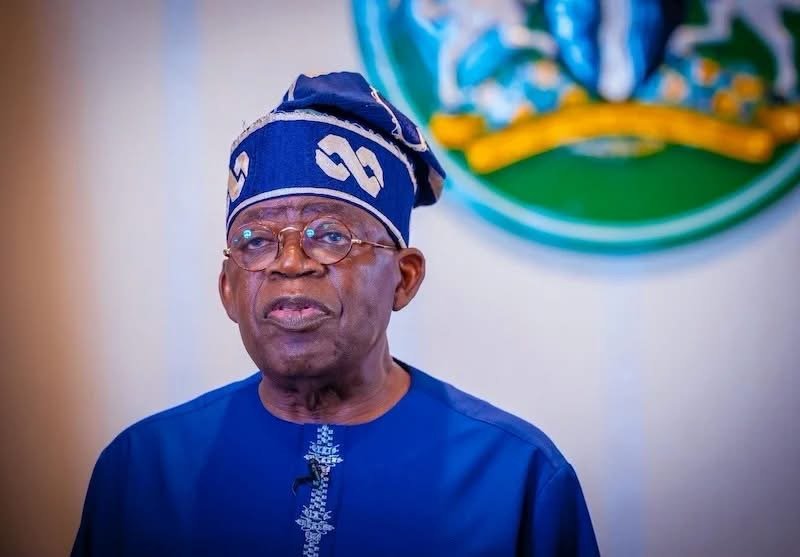
The large turnout at President Bola Ahmed Tinubu’s presidential campaign rally in Kaduna has been described by supporters of the ruling All Progressives Congress (APC) as evidence of growing northern backing for his re-election bid ahead of Nigeria’s 2027 general election.
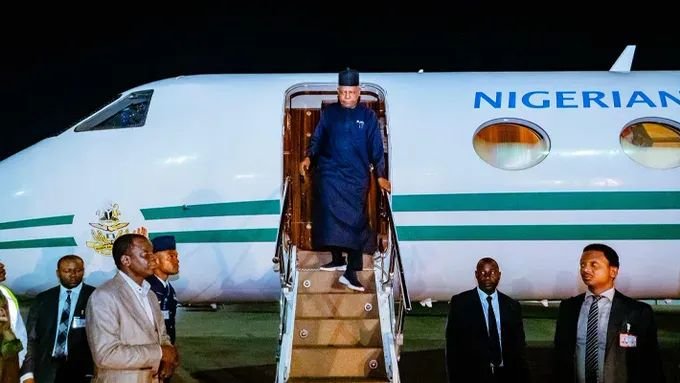
The rally, held on Saturday, October 24, 2026, at the Kaduna Township Stadium, marked the formal launch of Tinubu’s campaign for a second term in office. It attracted APC leaders, political support groups, government officials and supporters from different parts of the country.
Political figures associated with the President’s campaign said the gathering demonstrated the strength of the APC’s mobilisation structures in northern Nigeria, a region expected to play a decisive role in the forthcoming presidential election.
Among those who welcomed the turnout was Muhammad Badaru Abubakar, former governor of Jigawa State and Director-General of the Arewa for Asiwaju (A4A) support group. He said the group’s mobilisation exceeded its target, which had been set at 10,000 supporters from the 19 northern states and the Federal Capital Territory.
Another APC campaign figure, Musa Illiyasu Kwankwaso, also described the gathering as a demonstration of support for Tinubu in the North-West geopolitical zone.
However, the rally’s attendance does not independently establish the political preferences of the entire northern electorate. The region contains diverse political interests, and the level of support for the President will ultimately be determined by voters at the ballot box.
Kaduna Rally Marks Start of Tinubu’s 2027 Campaign
The Kaduna gathering represents an important stage in the APC’s preparations for the 2027 presidential election.
By choosing Kaduna as the location for the campaign’s formal launch, the ruling party placed northern Nigeria at the centre of its early mobilisation efforts.
Kaduna occupies a strategic position in the North-West, a geopolitical zone with substantial electoral influence. The region’s voting patterns could significantly affect the outcome of the presidential contest.
The rally brought together party members, support groups and political stakeholders seeking to demonstrate their commitment to Tinubu’s second-term ambition.
Ahead of the event, the Kaduna State chapter of the APC had announced plans to mobilise large numbers of supporters for the President’s arrival.
The party’s state publicity secretary, Muhammad Sani, previously expressed confidence that the state would play a leading role in the campaign. The party also stated its ambition to secure substantial electoral support for Tinubu in Kaduna.
The rally followed a series of political mobilisation activities across the state, including solidarity marches by supporters who called for the President’s re-election.
These activities form part of the APC’s broader strategy to strengthen its grassroots structures, coordinate supporters and consolidate political relationships ahead of the election.
The turnout was subsequently cited by campaign figures as evidence that their mobilisation efforts were gaining momentum.
Nevertheless, the size of a political gathering is only one indicator of campaign activity. It does not necessarily translate into an equivalent number of votes, as attendance can reflect party loyalty, organised mobilisation, political networking and other factors.
The APC will need to sustain its engagement with voters and demonstrate that its policies address the concerns of Nigerians if it hopes to convert campaign enthusiasm into electoral support.
Arewa for Asiwaju Says Mobilisation Exceeded Target
Arewa for Asiwaju, a political support organisation campaigning for Tinubu’s re-election, was among the groups that sought to mobilise supporters for the Kaduna event.
Before the rally, the organisation announced a target of bringing 10,000 supporters from northern states and the Federal Capital Territory to the campaign launch.
The group’s preparations involved its national leadership, state coordinators and grassroots structures.
Badaru, who leads the organisation, subsequently said the turnout exceeded the group’s expectations and reflected the commitment of its members to Tinubu’s second-term ambition.
He also praised coordinators and mobilisation teams for their efforts in bringing supporters to the gathering.
The organisation said it intended to continue engaging supporters across northern Nigeria and expanding its grassroots presence beyond the Kaduna rally.
Its strategy reflects the importance that political parties and affiliated organisations place on regional networks when preparing for national elections.
Such networks can help parties communicate their messages, organise supporters, identify local political concerns and coordinate campaign activities across states and communities.
However, the group’s stated mobilisation target and its assessment of the rally’s success should be distinguished from independently verified attendance figures.
The available reports do not establish a comprehensive, independently verified count of the total number of people who attended the rally.
Consequently, claims about the scale of support should be understood as statements from the President’s political allies rather than definitive evidence of the preferences of voters throughout northern Nigeria.
APC Allies Describe the North-West as a Strong Base
Kwankwaso, an APC chieftain associated with the presidential campaign, also welcomed the turnout and argued that it demonstrated the North-West’s support for Tinubu.
He described the rally as an indication that the region’s political direction was becoming clearer ahead of the 2027 election.
His assessment reflects the APC’s efforts to strengthen its position in a region that has historically played a significant role in Nigeria’s presidential contests.
The North-West comprises Jigawa, Kaduna, Kano, Katsina, Kebbi, Sokoto and Zamfara states. Together with other northern regions, it represents an important part of the country’s electorate.
For Tinubu, maintaining support in the North-West could be important to his re-election prospects, particularly as opposition politicians seek to challenge the APC’s political influence.
However, the region is not politically uniform. Voters across its states have different priorities, and political loyalties can change in response to economic conditions, security concerns, local leadership and the performance of elected officials.
A rally attended by enthusiastic supporters therefore cannot, on its own, establish how the wider electorate will vote.
The APC’s claims of strong regional support will ultimately be tested through its ability to maintain public engagement, address citizens’ concerns and compete effectively against rival parties.
The opposition’s own mobilisation efforts will also influence the political environment as the election approaches.
Economic Hardship Remains a Major Issue for Voters
Tinubu’s campaign is beginning against a backdrop of persistent economic difficulties affecting households and businesses across Nigeria.
Since taking office in May 2023, the President has introduced major economic changes, including the removal of the petrol subsidy and reforms to the foreign exchange market.
The administration has defended these measures as necessary to address structural weaknesses, improve public finances and establish a more sustainable economic framework.
However, the reforms have also contributed to significant financial pressure on households, particularly through higher transport costs, food prices and other essential expenses.
For many Nigerians, the central question is whether the government’s policies will produce meaningful improvements in living standards.
The economic situation is therefore likely to remain an important consideration for voters in both northern and southern Nigeria.
In Kaduna and other northern states, the cost of food, access to employment, agricultural productivity and security are among the issues that can influence public assessments of government performance.
The region also faces longstanding security challenges, including banditry and kidnapping in parts of the North-West. These concerns can affect farming, trade, transportation and the movement of people.
The extent to which the federal and state governments can improve economic conditions and strengthen security may influence voters’ attitudes towards the governing party.
Although campaign supporters have presented the Kaduna turnout as evidence of confidence in Tinubu, the President’s political prospects will also depend on how citizens evaluate his administration’s record.
The rally demonstrated the willingness of organised groups to mobilise for his re-election. It did not, however, resolve questions about the wider electorate’s response to economic hardship or the government’s handling of security.
Why Northern Support Matters in the 2027 Election
Northern Nigeria is a major electoral battleground because of its population, the distribution of registered voters and its influence on presidential election outcomes.
Presidential candidates generally need to build support across multiple geopolitical zones rather than rely exclusively on one region.
For the APC, the challenge is to consolidate its existing support while attracting voters who may be dissatisfied with the government’s economic policies or concerned about insecurity.
The Kaduna rally provides the party with an opportunity to display organisational strength, bring supporters together and establish momentum for subsequent campaign activities.
It also allows campaign leaders to communicate their message to party members and signal confidence in their electoral strategy.
However, political mobilisation and actual electoral performance are different measures of success.
A campaign may attract large crowds without securing the same level of support at the polls. Conversely, voters who do not attend rallies may still support a candidate when they cast their ballots.
The distinction is particularly important in a country as large and diverse as Nigeria, where electoral decisions are shaped by local circumstances, political relationships, candidate credibility and assessments of government performance.
The APC must therefore look beyond attendance figures and focus on sustained engagement with communities throughout the country.
For opposition parties, the Kaduna rally also provides an opportunity to assess the governing party’s mobilisation strategy and strengthen their own efforts to attract voters.
The eventual outcome will depend on the performance of the competing parties, the issues that dominate public debate and the decisions Nigerians make during the election.
Support for Tinubu Faces the Test of Public Confidence
The turnout at the Kaduna rally offers the APC an opportunity to project unity and confidence as the 2027 election approaches.
For Tinubu’s supporters, the gathering demonstrated that the President retains organised political backing in a region that could be important to his re-election campaign.
Yet the broader political picture remains more complex than the attendance at a single event.
Political support groups represent their members and the constituencies they can mobilise. Their statements should not automatically be interpreted as representing every community or voter in northern Nigeria.
The region contains supporters of different political parties, as well as voters whose decisions may depend on economic performance, security, employment opportunities and the credibility of competing candidates.
The President’s campaign will therefore need to demonstrate how his administration intends to address these concerns.
For voters facing rising living costs, political messages about economic reform will carry greater weight when accompanied by tangible improvements in their daily lives.
Similarly, promises to improve security will need to be assessed against developments on the ground and the experiences of communities affected by violence.
The rally’s political significance lies in the APC’s ability to bring supporters together and communicate its re-election message. Whether that momentum translates into wider electoral support remains an open question.
What Happens Next?
The APC is expected to continue its campaign activities and grassroots mobilisation as Tinubu seeks a second term in 2027.
Arewa for Asiwaju has indicated that it intends to maintain its engagement across northern states, while other campaign structures are working to strengthen their presence in different parts of the country.
The coming months will provide further opportunities for the governing party to present its record, explain its policies and respond to criticism from opposition politicians.
Rival parties will also seek to persuade voters that they can offer more effective solutions to Nigeria’s economic and security challenges.
The key indicators to watch will include the consistency of grassroots mobilisation, the response of voters to campaign messages, the credibility of competing policy proposals and the extent to which the government addresses public concerns.
Ultimately, the 2027 presidential election will be decided by voters, not by the size of campaign gatherings or the confidence expressed by political support groups.
The Kaduna rally has given Tinubu’s allies a platform to demonstrate their organisational capacity and project confidence in his re-election bid. Whether that display reflects broader northern support will become clearer as the campaign progresses and Nigerians prepare to make their electoral choices.
Weng Global – stories beyond borders
Sources
- Reuters — Report on Tinubu’s re-election campaign launch in Kaduna, October 24, 2026.
- Premium Times — Report on Arewa for Asiwaju’s mobilisation target ahead of the Kaduna campaign rally, October 22, 2026.
- Punch Newspapers — Report on Badaru Abubakar’s assessment of turnout at the Kaduna rally, October 24, 2026.
- The Guardian Nigeria — Report on Musa Illiyasu Kwankwaso’s comments about northern support for Tinubu, October 24, 2026.
- Kaduna State Government — Official information on preparations for the 2027 presidential campaign launch.