Reported by Weng Patrick Atokor l Journalist at Weng Global
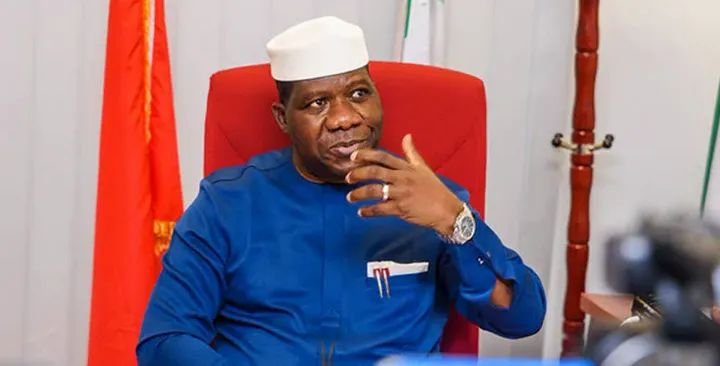
Senate Leader Opeyemi Bamidele has called on political parties and their candidates to conduct their activities peacefully and within the law as preparations intensify for Nigeria’s 2027 general elections.
Bamidele, who also chairs the South-West Caucus in the National Assembly, warned against hate speech, inflammatory rhetoric and other conduct capable of escalating political tensions or triggering violence before, during or after the elections.
The Ekiti State senator made the call in an Independence Day message issued in Abuja on Thursday, October 1, 2026, as Nigeria marked its 66th anniversary of independence.
His intervention comes as political parties and prospective candidates increasingly position themselves ahead of the 2027 electoral cycle, placing greater attention on campaign conduct, political messaging and the protection of democratic stability.
Bamidele calls for campaigns within the law
Bamidele acknowledged the constitutional right of political actors to participate in the democratic process and pursue electoral ambitions.
He, however, stressed that political rights must be exercised within the boundaries established by Nigeria’s laws.
The Senate Leader urged parties and candidates to conduct their campaigns in accordance with the Electoral Act 2026 and the 1999 Constitution, as amended.
He warned that the exercise of political freedom should not be used as a justification for hate speech, incendiary statements or actions capable of provoking political, ethnic or religious tensions.
According to Bamidele, political competition should be guided by democratic rules rather than actions that could undermine national stability.
“The exercise of political rights at this defining moment should be guided by the rules of the electoral contest and not by the rules of the jungle,” he said.
He added that political aspirations should be pursued with restraint, patriotism and respect for democratic values.
‘No ambition is worth setting the nation ablaze’
Bamidele also warned politicians against allowing personal or partisan ambitions to take precedence over Nigeria’s national interest.
“No ambition is worth setting the nation ablaze,” the Senate Leader said, urging political parties and candidates to conduct their activities within the law as the country approaches another general election.
He described Nigeria as a collective heritage that should be protected by political actors across party lines.
The senator said the country’s political process should contribute to preserving what Nigerians have built rather than creating conditions that could threaten national cohesion.
He also called on parties and candidates to present their programmes and policy agendas in a manner that reflects the aspirations of Nigerians.
Warning comes as 2027 preparations gather pace
The warning comes against the backdrop of increasing political activity ahead of the 2027 elections.
The Independent National Electoral Commission has already published information relating to the 2027 electoral process, with preparations for the nationwide presidential and legislative elections underway. INEC’s current election calendar lists the presidential and National Assembly election for January 16, 2027, while governorship and State House of Assembly elections in participating states are listed for February 6, 2027.
The commission has also emphasised the importance of its official timetable and election procedures as preparations continue.
The approach to a general election typically brings heightened political competition, with parties seeking to mobilise supporters, promote candidates and communicate their policy positions to voters.
Against this background, calls for responsible political communication have become an important part of discussions surrounding the conduct of the 2027 electoral process.
Political freedom and responsibility
Bamidele’s message drew a distinction between the right to political participation and conduct that could threaten public order.
Political parties have the right to campaign, organise and seek electoral mandates. However, campaign activities remain subject to the country’s constitutional and electoral framework.
The Senate Leader therefore urged political actors to exercise their rights responsibly rather than using political competition to deepen divisions.
His comments also placed emphasis on the potential consequences of inflammatory political communication in a country with significant ethnic, religious and regional diversity.
He urged politicians to recognise that statements made during campaigns can have consequences beyond political rallies and social media platforms, particularly when they contribute to tensions between communities or groups.
Focus on national unity
Bamidele further appealed to political actors to place national unity and democratic stability above partisan interests.
He said Nigeria’s 66 years as an independent country should serve as a reminder to political leaders of their responsibility to protect the country’s institutions and preserve national cohesion.
“Nigeria is our collective heritage. She is greater than the political ambition of any party or candidate,” he said.
The Senate Leader argued that political activities should help preserve the country’s democratic and national foundations rather than weaken them.
He also called for political parties to unveil their programmes and agendas for the country responsibly as they campaign across the federation.
Electoral reforms and the 2027 contest
The 2027 elections will take place under Nigeria’s updated electoral framework, following the enactment of the Electoral Act 2026.
The National Assembly has previously highlighted several changes under the new electoral legislation, including provisions concerning electronic transmission of results, the use of the Bimodal Voter Accreditation System and stronger regulatory provisions affecting the electoral process.
Bamidele has previously been involved in discussions surrounding the 2026 electoral legislation, including defending provisions of the law and describing it as the product of consultations among relevant stakeholders.
The legal framework will therefore form part of the rules governing political parties and candidates as the country moves towards the 2027 elections.
For voters, the campaign period will also provide an opportunity to assess competing candidates, political programmes and policy proposals.
Why the warning matters
Political campaigns are a central part of democratic elections, allowing candidates and parties to communicate their plans and seek public support.
At the same time, campaign rhetoric can influence the broader political environment, particularly when political disagreements become linked to ethnic, religious or regional identities.
Bamidele’s warning highlights the responsibility of political parties and candidates to compete without encouraging violence or undermining peaceful political participation.
The call also places responsibility on political actors to ensure that electoral competition remains focused on programmes, policies and democratic engagement.
For Nigeria, maintaining a peaceful political environment is particularly significant because the 2027 election will involve competition for the presidency, National Assembly seats and governorship and state legislative positions in the relevant states.
INEC has continued preparations for the electoral process, including the publication of its official election timetable and schedule of activities.
What happens next
Political parties and candidates will continue preparations for the 2027 elections as the electoral calendar advances.
The focus is expected to remain on candidate selection, campaign activities, policy messaging, voter engagement and compliance with electoral regulations.
Bamidele’s appeal places the conduct of political actors among the issues likely to remain under scrutiny as campaigning intensifies.
The effectiveness of such calls will ultimately depend on how political parties, candidates, supporters and other stakeholders conduct themselves throughout the electoral process.
For voters, the central issue remains the opportunity to participate in an electoral process where political competition can take place within the law and without intimidation or violence.
As Nigeria moves closer to the 2027 elections, the Senate Leader’s message reinforces the broader principle that political competition and national stability are expected to coexist within the country’s democratic framework.
Weng Global – Stories beyond borders
Sources
- The Guardian — 2027: Bamidele warns politicians against hate speech
- Punch — Nigeria @ 66: No ambition worth setting Nigeria ablaze, Bamidele warns
- Voice of Nigeria — Independence: Senate Leaders Call For Unity, Peace, Democratic Values
- Independent National Electoral Commission — Full Election Calendar & Timetable
- Channels Television — National Assembly Highlights Key Reforms In Electoral Act 2026