Reported by Weng Patrick Atokor l Journalist at Weng Global
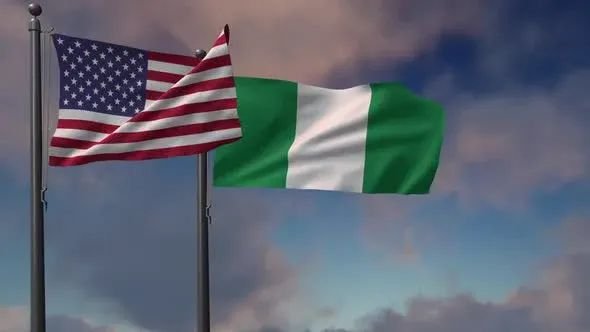
The United States Government has congratulated Nigerians on the country’s 66th Independence Anniversary, reaffirming its commitment to strengthening relations between the United States and Nigeria.
Nigeria marks its Independence Day on October 1, commemorating its attainment of independence from British colonial rule in 1960. The anniversary comes as both countries continue to maintain diplomatic, economic and security ties.
The U.S. message was reported by Punch on October 1, 2026, as Nigeria celebrated the 66th anniversary of independence.
US-Nigeria Relations
The United States and Nigeria have maintained diplomatic relations since Nigeria became independent in 1960. The relationship has developed across areas including security cooperation, trade, investment, development, health and regional stability.
Historical U.S. government records confirm that diplomatic relations between Washington and Abuja date back to Nigeria’s independence. The United States has also described Nigeria as an important partner in addressing regional and international priorities.
The latest Independence Day message therefore comes against the background of more than six decades of formal diplomatic relations.
The U.S. Mission in Nigeria also marked the anniversary by announcing that its Embassy in Abuja and Consulate General in Lagos would be closed on October 1 in observance of Nigeria’s Independence Day holiday.
Nigeria’s 66 Years of Independence
Nigeria became independent on October 1, 1960, after the end of British colonial rule.
The country subsequently became a republic in 1963, while its political history has included periods of civilian and military rule, a civil war and the eventual return to democratic government in 1999.
The United States has maintained diplomatic engagement with Nigeria throughout much of that history. U.S. government records identify 1960 as the year diplomatic relations were established following Nigeria’s independence.
For Nigeria, the 66th anniversary provides another opportunity to reflect on the country’s political, economic and social development while considering the challenges and opportunities ahead.
A Relationship With Regional Importance
Nigeria’s importance to the United States extends beyond bilateral relations.
As Africa’s most populous country and one of the continent’s major economies, developments in Nigeria have implications for West Africa and the wider continent. Cooperation between Abuja and Washington has historically included regional peace and security, economic engagement and efforts to address transnational challenges.
Security has been one area of sustained cooperation. U.S. government records have previously highlighted collaboration with Nigeria on counterterrorism and regional stability, while broader bilateral engagement has also included trade and investment and development-related programmes.
The relationship has also included cooperation in areas affecting ordinary Nigerians, including health and economic opportunity.
US Mission Marks Independence Holiday
The U.S. diplomatic mission’s decision to close its Abuja Embassy and Lagos Consulate on October 1 further reflects the recognition of Nigeria’s national holiday by American diplomatic facilities in the country.
According to reporting on the mission’s announcement, routine operations at the two locations were suspended for the Independence Day holiday.
Nigeria’s Federal Government had earlier declared October 1 a public holiday to commemorate the country’s 66th Independence Anniversary. The Ministry of Interior announced the holiday as part of the national observance.
Why the Message Matters
The U.S. Independence Day message is significant because Washington and Abuja maintain a longstanding relationship that covers several areas of mutual interest.
For Nigeria, the United States remains an important international partner, while Nigeria’s population, economy and regional role make developments in the country relevant to American diplomatic and economic interests in Africa.
The two countries’ relationship has also evolved over different political periods. Previous U.S. government statements have emphasised cooperation on democratic governance, economic development, security and regional issues.
The current reaffirmation of stronger ties comes as Nigeria continues to engage international partners on economic development, security and other national priorities.
What Happens Next
The Independence anniversary itself is a ceremonial milestone, but the broader significance of the U.S.-Nigeria relationship will depend on continued engagement between both governments.
Areas such as trade and investment, security cooperation, development, health, governance and regional stability are likely to remain important components of the bilateral relationship.
For Nigerians, the 66th anniversary also represents a moment to assess the country’s journey since 1960 and the responsibilities facing government institutions, businesses, civil society and citizens as the country moves into its next phase of nationhood.
The United States’ latest message places the anniversary within the wider context of continued bilateral engagement, rather than treating the occasion solely as a ceremonial event.
Nigeria’s 66th Independence Anniversary is being marked across the country and among Nigerian communities abroad, including planned cultural celebrations in the United States.
Weng Global – Stories beyond borders
Sources
- Punch — report on the U.S. government’s Independence Day message to Nigeria.
- U.S. Department of State — U.S.-Nigeria relations background.
- Federal Ministry of Information and National Orientation — announcement of the October 1 public holiday.
- U.S. Mission Nigeria — Independence Day closure information, as reported by Nigerian media.
- The Guardian / Vanguard — reporting on Nigeria’s 66th Independence celebrations in the United States.