Reported by Weng Patrick Atokor l Journalist at Weng Global
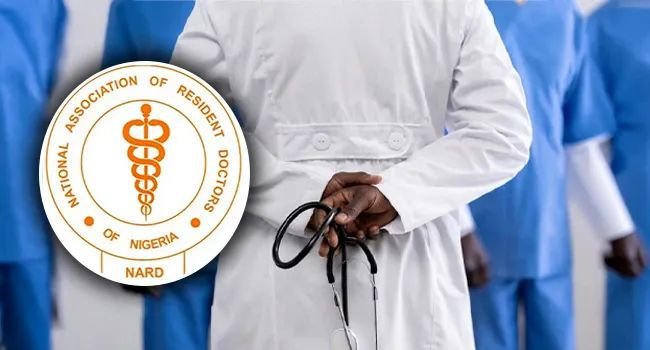
The National Association of Resident Doctors (NARD) has given the Federal Government a two-week ultimatum to address outstanding welfare and professional issues affecting resident doctors, warning that failure to act could lead to industrial action.
The resolution was reached at NARD’s 46th Annual General Meeting held in Calabar on Sunday, September 27, 2026, where the association reviewed the state of working conditions, remuneration and professional development for doctors across Nigeria.
NARD National President, Dr Ogar Emmanuel Idoko, read the resolutions of the meeting, according to a report by the News Agency of Nigeria published by Punch.
The association said several agreements previously reached with the Federal Government had not been implemented at the expected pace, describing the continued delays as unacceptable.
NARD lists outstanding welfare concerns
Among the issues raised by the resident doctors are unresolved matters relating to remuneration, career progression, professional allowances, excessive workloads, manpower shortages and general welfare.
NARD called for the immediate implementation of agreements reached with the Federal Government, particularly those concerning improved conditions of service and professional development.
The association also called for the conclusion of the review of existing remuneration and professional salary structures for doctors, arguing that the current framework does not adequately reflect prevailing economic conditions.
Another major concern is the additional workload being carried by doctors because of shortages of medical personnel in hospitals.
NARD requested standardised mechanisms for compensating doctors who perform duties beyond their normal responsibilities and called for reliable data to support such payments.
The association’s concerns come against a wider backdrop of staffing pressures in Nigeria’s public healthcare system, with the migration of doctors and other health professionals contributing to shortages and increasing workloads for those who remain in the country.
Doctors demand stronger protection for health workers
NARD also raised concerns about attacks on doctors and other healthcare workers while carrying out their duties.
The association called for the full implementation of existing anti-assault policies and other measures intended to protect medical personnel in hospitals.
It urged the Federal Ministry of Health and Social Welfare to address factors contributing to the continued migration of healthcare professionals from Nigeria, which it said had worsened manpower shortages.
The association further called on state governments to improve the welfare of doctors and other health workers employed in their institutions and to implement relevant welfare policies.
Infrastructure and healthcare funding
Beyond doctors’ welfare, NARD called for improved infrastructure, adequate medical equipment and better working conditions across health institutions.
The association said improvements in these areas were important not only for medical personnel but also for patient safety and the quality of healthcare delivery.
It also urged the National Assembly to strengthen budgetary provisions for healthcare, arguing that adequate funding is necessary to address persistent challenges in the sector.
The association specifically demanded prompt payment of salaries and other entitlements owed to house officers and called for their inclusion in relevant welfare arrangements.
NARD addresses electronic clocking systems
NARD also addressed the use of electronic clocking systems in hospitals.
The association said it was not opposed to the deployment of such systems, provided they were implemented appropriately and used primarily to support accurate data management rather than to punish medical personnel.
The position comes as hospitals and health authorities continue to explore mechanisms for monitoring attendance, working hours and staffing requirements.
Two-week window for government action
NARD said it was giving the Federal Government a two-week window to address the outstanding issues and prevent a breakdown of industrial harmony in the health sector.
The association said resolving the disputes would improve doctors’ welfare, reduce burnout and ultimately support better healthcare delivery to Nigerians.
The latest ultimatum follows several rounds of disputes between NARD and government authorities over remuneration, allowances, training funds, working conditions and staffing.
Earlier in June 2026, NARD declared an industrial dispute and issued a 21-day ultimatum over unresolved welfare, remuneration and training-related matters. Its demands at the time included the release of the 2026 Medical Residency Training Fund, payment of salary-related arrears and professional allowances, and implementation of previous agreements.
That history underscores the recurring nature of negotiations between the resident doctors and government authorities.
What happens next
The immediate focus is now on whether the Federal Government will address the issues raised within the two-week period.
NARD has urged the government to use the window to resolve the outstanding matters and avert further industrial confrontation in the health sector.
The association also elected new national officers during its annual meeting, with Dr Ogar Emmanuel Idoko emerging as national president. The new leadership is expected to pursue the resolutions adopted at the meeting while continuing engagement with government authorities.
For patients and the wider Nigerian healthcare system, the outcome of the discussions could be significant. Any escalation into industrial action could affect services in hospitals where resident doctors provide a substantial part of clinical care, while successful resolution of the disputes could help reduce some of the workforce pressures identified by the association.
At this stage, the confirmed development is the two-week ultimatum issued by NARD. Any subsequent strike or other industrial action would depend on developments after the ultimatum expires and should not be treated as certain unless formally announced by the association.
Weng Global – Stories beyond borders
Sources
- Punch Newspapers / News Agency of Nigeria — report on NARD’s 46th Annual General Meeting and two-week ultimatum.
- Premium Times — June 2026 report on NARD’s earlier 21-day ultimatum and outstanding welfare, remuneration and training demands.