Reported by Weng Patrick Atokor l Journalist at Weng Global
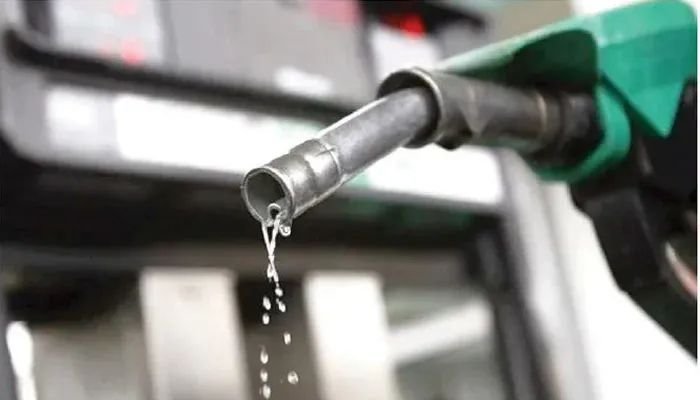
Motorists in Nigeria may soon have greater flexibility in purchasing Premium Motor Spirit (PMS) as MRS Holdings and QuickFuel Nigeria Limited introduce a self-service fuel dispensing system designed to improve convenience, transaction transparency and access to petrol.
The initiative, unveiled on November 17, 2026, in Lagos, allows motorists at designated participating MRS filling stations to select their preferred fuel quantity, make payments through approved channels and dispense petrol themselves under established safety procedures.
The partnership represents another development in the digital transformation of Nigeria’s downstream petroleum retail sector, where technology is increasingly being introduced to improve customer experiences, operational efficiency and accountability.
According to details of the launch reported by THISDAY, the system was introduced at an MRS filling station on Ahmadu Bello Way, Victoria Island, Lagos.
The companies said the innovation is intended to reduce unnecessary waiting times, give customers greater control over fuel purchases and provide filling station operators with improved monitoring of sales and inventory.
How the Self-Service Fuel System Will Work
Under the new arrangement, motorists will be able to manage important parts of the fuel purchasing process without relying entirely on conventional pump attendants.
The system is designed to allow customers to choose the quantity of petrol they require, complete payment and proceed with dispensing at participating stations.
The approach is expected to provide greater flexibility for motorists who prefer digital transactions and want more control over their fuel purchases.
QuickFuel’s digital platform also provides a fuel voucher process through which customers can select a participating station, choose a fuel type and quantity, make payment and receive a voucher for redemption.
According to the company’s online help information, customers can select Premium Motor Spirit, Automotive Gas Oil or Dual Purpose Kerosene, depending on availability at the selected station.
The platform provides a QR code or voucher code that can be presented at the station to authorise fuel dispensing. mrsquick.mrsholdings.com
24-Hour Fuel Access for Motorists
One of the major features highlighted during the launch is the possibility of purchasing petrol at any time of the day or night at participating stations equipped to operate around the clock.
Speaking at the unveiling, QuickFuel’s Executive Director of Technology and Digital Services, Oluwadare Owolabi, said the initiative would provide motorists with greater freedom, particularly those who need fuel outside conventional operating hours.
He explained that the system was designed to address the inconvenience associated with waiting for attendants and the limitations of traditional fuel purchasing arrangements.
Owolabi said the service would operate 24 hours a day, seven days a week, at enabled locations.
The development could be particularly useful to commercial drivers, transport operators, business owners and commuters who frequently travel during early mornings or late-night hours.
However, the availability of round-the-clock fuelling will depend on whether individual participating stations have the necessary facilities and operational arrangements.
MRS Highlights Safety and Transparency
Group Chairman of MRS, Sayyu Idris Dantata, said the initiative was developed partly in response to concerns about the safety of motorists, particularly people who carry substantial amounts of cash when purchasing fuel at night.
He explained that the partnership was intended to introduce greater confidence and flexibility into the fuel purchasing process.
Dantata also encouraged customers to report suspicious activities through the application, saying motorists who provide qualifying reports could receive rewards, including free fuel for one month.
The companies have also identified transaction transparency as a major objective of the technology.
According to Owolabi, digital records will allow transactions to be connected with fuel dispensing and payments, making it easier for station operators to monitor inventory and revenue.
The system is also expected to improve reconciliation between fuel received, fuel sold and remaining stock.
These features could help operators identify discrepancies more quickly and strengthen accountability in daily filling station operations.
Nevertheless, the introduction of digital systems does not automatically guarantee accurate fuel measurements. Proper pump calibration, equipment maintenance and regulatory compliance will remain important requirements.
Owolabi acknowledged this during the launch, stressing that technology must operate alongside established safety and dispensing standards.
Will Self-Service Fuel Eliminate Filling Station Attendants?
The introduction of automated fuel dispensing could raise questions about the future role of filling station workers.
However, QuickFuel indicated that the initiative would not completely remove human involvement from petroleum retail operations.
Owolabi explained that trained personnel would remain available to guide customers, particularly those using the system for the first time.
Workers would also continue to support safety procedures, equipment maintenance, technical operations and customer assistance.
The development therefore points towards a possible change in the responsibilities of filling station employees rather than the complete elimination of their roles.
Instead of concentrating entirely on manually dispensing fuel, attendants could increasingly assist customers with digital transactions and ensure that safety procedures are followed.
For filling station operators, the model could also create opportunities to improve customer flow and reduce some operational challenges associated with conventional dispensing arrangements.
Nigeria’s Petroleum Retail Sector Embraces Digital Innovation
The MRS and QuickFuel partnership comes amid wider efforts to introduce technology-driven services into Nigeria’s downstream petroleum industry.
The sector has undergone significant changes following the removal of petrol subsidies and the transition towards a deregulated petroleum market.
These developments have increased attention on competition, operational efficiency, pricing, supply arrangements and customer service.
As petroleum marketers adapt to the changing business environment, digital payment systems, automated dispensing technologies and improved inventory management are becoming increasingly relevant.
In September 2026, NNPC Retail Limited unveiled a smart self-service filling station along Bill Clinton Drive in Abuja.
The facility was developed through a partnership involving the Nigerian National Petroleum Company Limited, the Nigeria Immigration Service and African Motor Works.
According to NNPC and the News Agency of Nigeria, the facility offers 24-hour self-service fuel dispensing alongside electric vehicle charging, LPG dispensing and other mobility-related services. NNPC +1
The development demonstrates growing interest among petroleum industry operators in technology-enabled fuel retailing.
MRS Holdings also maintains a significant retail presence across Nigeria and other West and Central African countries. The company’s published retail information lists outlets in Nigeria, Cameroon, Togo, Benin Republic and Côte d’Ivoire. MRS Holdings
The expansion of digital services could therefore become an important part of how established petroleum marketers compete and improve customer experiences.
Why the Development Matters to Nigerian Motorists
For ordinary Nigerians, the introduction of self-service fuel technology could have practical implications beyond the ability to dispense petrol independently.
First, the availability of 24-hour services at participating locations could provide greater flexibility for people whose work or travel schedules do not align with conventional filling station operating hours.
Second, digital transaction records could give customers clearer information about their purchases and provide an additional mechanism for tracking payments.
Third, reduced dependence on manual transaction processes could help improve operational efficiency and potentially reduce avoidable delays.
For businesses operating commercial vehicles, improved access to fuel and clearer transaction records could also support better management of transport expenses.
However, the actual benefits will depend on the reliability of the technology, the number of participating stations, payment accessibility and the ability of motorists to use the system without unnecessary complications.
There is also a need to ensure that customers who are unfamiliar with digital payment systems are not excluded from accessing fuel.
The availability of trained personnel to assist first-time users will therefore remain important as the technology is introduced.
What Happens Next?
QuickFuel and MRS Holdings have indicated that they intend to improve the technology, respond to customer feedback and expand its deployment responsibly.
According to Owolabi, further expansion will depend on the availability of appropriate facilities and the necessary regulatory approvals.
The companies have not provided a confirmed nationwide rollout timetable in the launch report.
For now, the immediate focus is on introducing the service at designated participating MRS locations and demonstrating whether the model can deliver the promised improvements in convenience, accountability and operational efficiency.
The success of the initiative will ultimately depend on how reliably motorists can use it, whether fuel dispensing remains accurate and whether the service can be expanded beyond its initial deployment.
Nigeria’s petroleum retail industry is gradually exploring new ways to combine traditional fuel distribution with digital technology. The MRS and QuickFuel partnership adds another development to that transition, potentially changing how motorists interact with filling stations.
Weng Global – Stories beyond borders
Sources
- THISDAY – QuickFuel, MRS Unveil Self-Service Fuel Technology, Empower Nigerians with 24-Hour Fuelling
- MRS Holdings – Retail Services
- MRS Quick – QuickFuel Customer Help Centre
- NNPC Limited – NNPC Retail Unveils Smart Self-Service Station in Abuja
- News Agency of Nigeria – NNPC Unveils Smart Fuelling Station in Abuja