Reported by Weng Patrick Atokor l Journalist at Weng Global
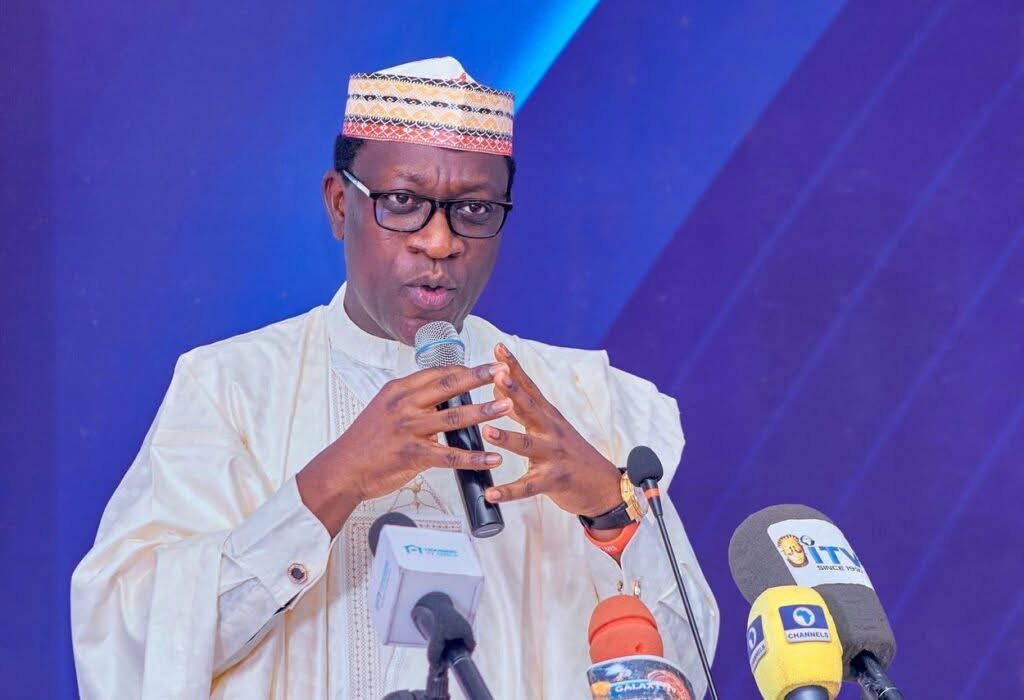
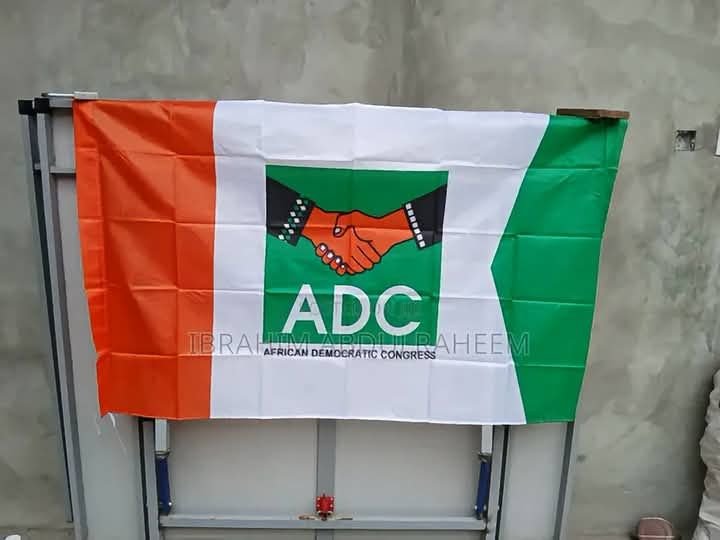
The Jigawa State chapter of the African Democratic Congress (ADC) has reaffirmed its support for Dr Sani Muhammad Gumel as state chairman, dismissing claims of a leadership change as political activities intensify ahead of Nigeria’s 2027 general elections.
The party’s position follows renewed uncertainty over its leadership structure in Jigawa State, where competing claims of authority have emerged amid the ADC’s wider internal disagreements.
The reaffirmation is significant as the opposition party seeks to strengthen its organisational structure, maintain unity among its members and consolidate its political position ahead of the next general elections.
Jigawa ADC Stakeholders Back Gumel’s Leadership
The reaffirmation came during a stakeholders’ meeting held in Dutse, the Jigawa State capital, on Sunday, November 15, 2026.
According to a report by Premium Times, ADC candidates in the state passed a vote of confidence in the existing party leadership, including Gumel and chairpersons across the state’s 27 local government areas.
The meeting was led by Senator Sabo Mohammed Nakudu, the party’s governorship candidate in Jigawa State.
It brought together political stakeholders and candidates contesting various legislative positions, including three senatorial candidates, 11 House of Representatives candidates and 31 State House of Assembly candidates.
The gathering provided an opportunity for party representatives to reaffirm their commitment to the ADC and express support for the party’s political direction ahead of the 2027 elections.
The stakeholders also called on members and supporters to maintain unity and strengthen cooperation within the party.
Party Seeks Unity Amid Leadership Disagreements
The development comes against the background of prolonged disagreements over the leadership and organisational structure of the ADC in Jigawa State.
The party has experienced competing claims of authority involving different political groups, with disagreements extending to the recognition of state executives and the control of party structures.
A report published by The PUNCH on November 9 identified three separate camps laying claim to the ADC’s leadership structure in Jigawa.
The groups include the faction associated with former Senate President David Mark, the group aligned with Nafiu Bala Gombe and another faction loyal to former presidential candidate Dumebi Kachikwu.
Gumel, who is associated with the Mark-led faction, had previously maintained that his group’s leadership structure remained intact despite the disagreements.
He also said the faction had challenged a court decision affecting the national leadership through the appropriate legal process.
The competing positions have complicated efforts to establish a unified leadership structure in the state.
Consequently, the latest vote of confidence represents an effort by the stakeholders supporting Gumel’s leadership to demonstrate political unity and reaffirm their position within the party.
ADC National Leadership Dispute Adds to Uncertainty
The disagreements in Jigawa are connected to a wider leadership dispute within the ADC at the national level.
On November 5, 2026, the Federal High Court in Abuja delivered a judgment nullifying the emergence of the leadership associated with David Mark as the party’s National Chairman and Rauf Aregbesola as National Secretary.
The judgment generated fresh uncertainty over the party’s leadership arrangements and the status of political activities conducted under the affected leadership.
The Mark-led faction subsequently indicated that it was challenging the ruling through an appeal and seeking a stay of execution.
The dispute has also raised questions about the political implications for candidates who emerged through the party’s internal processes ahead of the 2027 general elections.
In Jigawa, the national disagreement has contributed to competing claims over which political group has the authority to administer the party’s affairs.
Revocation of Caretaker Appointment Raises Further Questions
Another development illustrating the uncertainty surrounding the Jigawa ADC leadership occurred on November 11.
The party’s National Working Committee reportedly revoked the appointment of Ali Muhammad Tukar as caretaker chairman of the Jigawa State chapter.
In a report published by The Sun on November 12, the decision was conveyed through a letter signed by the party’s National Secretary, Rauf Aregbesola.
The national leadership directed Tukar to stop presenting himself as caretaker chairman and hand over party documents, materials and property in his possession within seven days.
The committee also announced plans to establish a reconstituted caretaker committee to oversee the party’s affairs in the state.
The development further highlighted the uncertainty surrounding the party’s state leadership arrangements.
However, the November 15 stakeholders’ meeting and the subsequent vote of confidence in Gumel demonstrate that the group supporting his leadership continues to assert its authority within the Jigawa chapter.
It is important to distinguish this endorsement from a final resolution of the wider leadership dispute. The available reports do not establish that all competing factions have accepted Gumel’s position.
2027 Elections Increase Pressure on Party Unity
The leadership disagreements are unfolding as political parties begin strengthening their structures ahead of Nigeria’s 2027 general elections.
For the ADC, maintaining internal unity will be important in coordinating candidates, mobilising supporters and building an effective grassroots political organisation.
Jigawa is particularly important to the party’s electoral calculations because of its 27 local government areas, 11 federal constituencies and three senatorial districts.
The party’s ability to maintain a coordinated structure across these political divisions could influence its preparations for the next elections.
The stakeholders’ meeting also reaffirmed support for the ADC’s presidential candidate, former Vice President Atiku Abubakar, and other candidates contesting under the party’s platform.
The participants pledged to work towards electoral victories across the state while committing themselves to peaceful and issue-based campaigns.
Such commitments could help strengthen the party’s public image, but translating political declarations into effective grassroots mobilisation will require sustained cooperation among its different groups.
Why the Development Matters
The reaffirmation of Gumel’s leadership is more than an internal party announcement. It reflects the continuing struggle over political authority and organisational control within one of Nigeria’s opposition parties.
For ADC members in Jigawa, a recognised and coordinated leadership structure could provide greater clarity over party administration, candidate coordination and preparations for the 2027 elections.
For voters, the dispute raises broader questions about political party organisation, internal democracy and the ability of opposition parties to resolve disagreements through established procedures.
A divided party may encounter difficulties coordinating its electoral activities, while unresolved disputes over leadership could create uncertainty among candidates and supporters.
The situation also demonstrates how national political disagreements can influence the organisation of political parties at the state and grassroots levels.
What Happens Next?
The immediate question is whether the latest endorsement of Gumel will translate into wider acceptance among the different groups claiming authority within the Jigawa ADC.
The planned reconstitution of the caretaker committee by the national leadership could also influence the direction of the dispute.
Further clarification from the ADC’s national leadership, alongside developments in the relevant court proceedings, will be important in determining the party’s recognised administrative structure.
For now, the stakeholders supporting Gumel have reaffirmed their confidence in his leadership and called for unity as the party prepares for the 2027 general elections.
However, the wider leadership disagreement remains an important issue to watch, particularly as political activities intensify across Nigeria.
Weng Global – Stories beyond borders
Sources
- Premium Times – 2027: Jigawa ADC Backs Atiku, Passes Vote of Confidence in State Leadership, November 15, 2026.
- The PUNCH – ADC Crisis: Mark Bloc Holds Grip on States, November 9, 2026.
- The Sun – ADC Revokes Tukar’s Appointment as Jigawa Caretaker Chairman, November 12, 2026.